
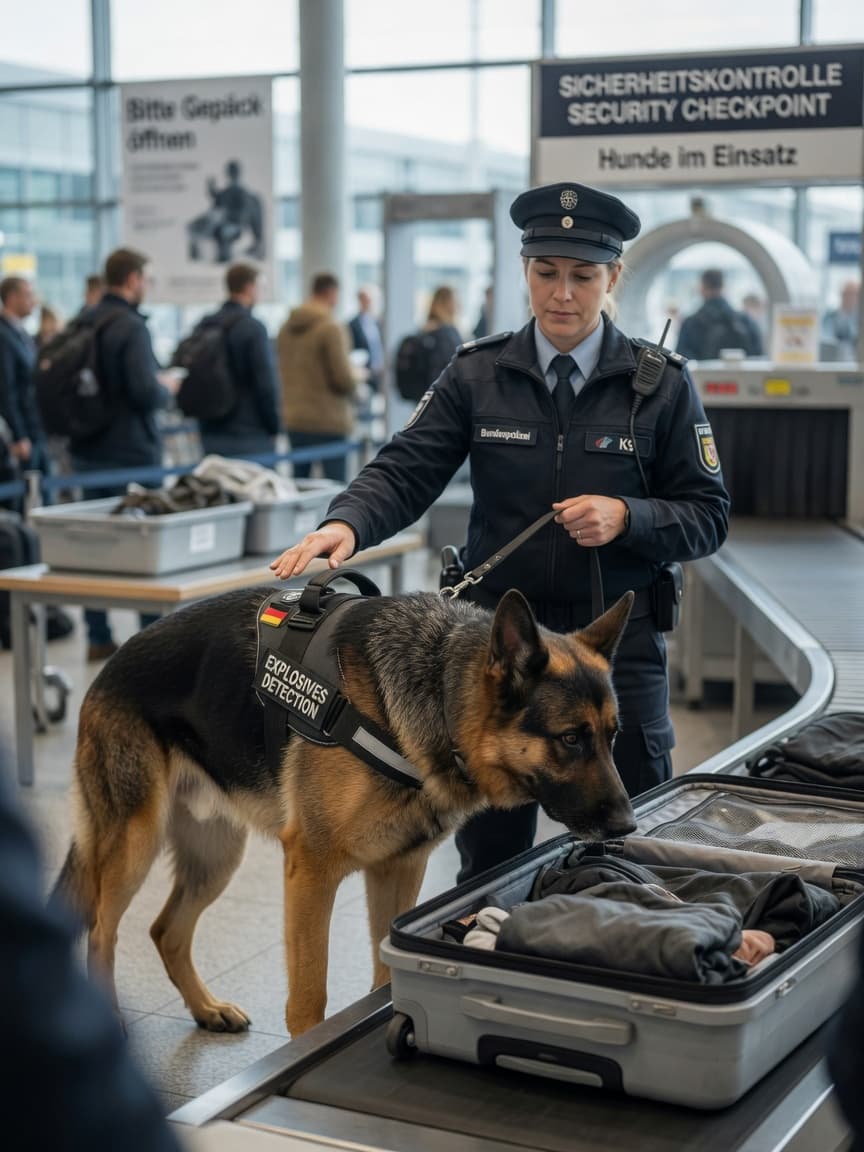
Detection dogs have become invaluable members of emergency services, security teams, and medical professions across Europe. From identifying explosives at airports to alerting diabetics to dangerous blood sugar levels, these canines perform extraordinary work that saves lives daily. But what separates an exceptional detection dog from an average one? The answer lies in a combination of innate traits, rigorous training, and meticulous handler partnerships that create the perfect working canine.
Natural Ability and Breeding
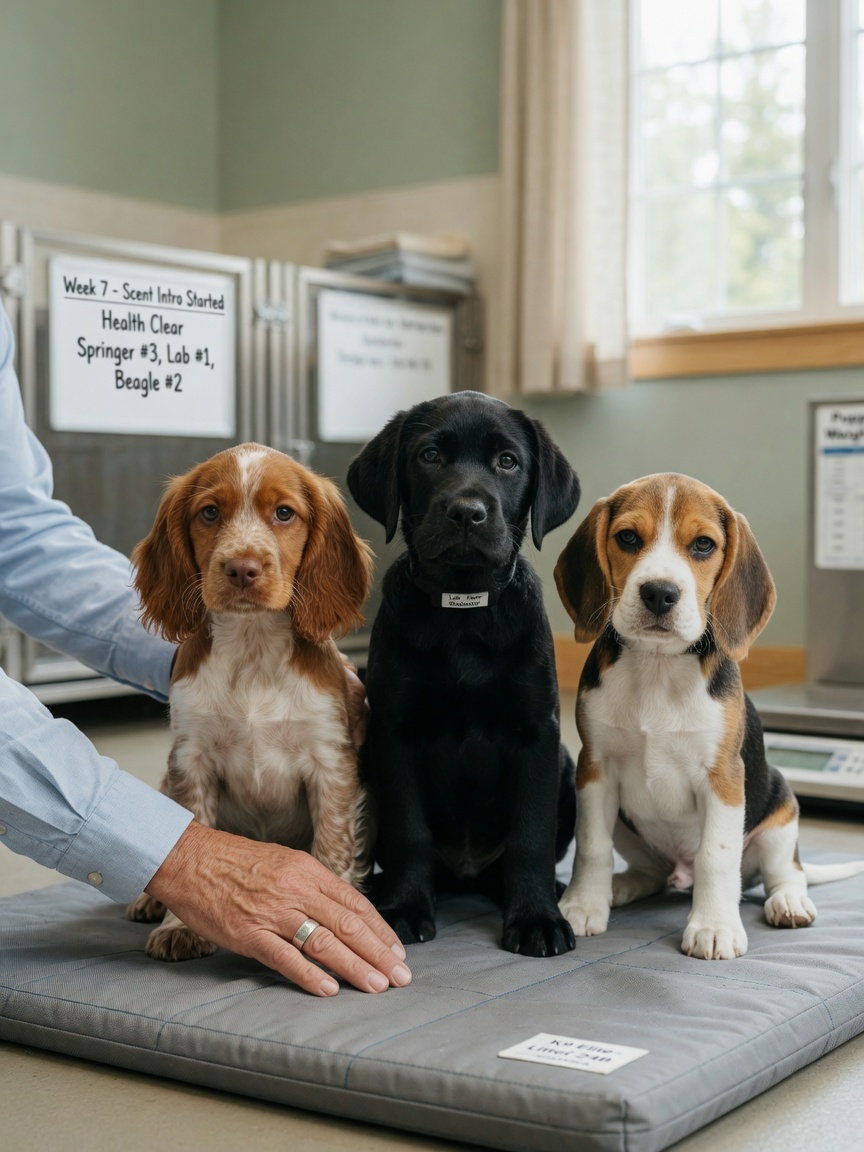
The foundation of every successful detection dog begins before formal training ever starts. Certain breeds naturally excel in detection work due to their genetic predisposition towards scent-tracking and problem-solving. Spaniels, retrievers, and beagles consistently outperform other breeds in narcotics and explosives detection, whilst German Shepherds dominate in patrol and dual-purpose roles.
However, breeding alone doesn't guarantee success. Selective breeding programmes prioritise specific traits:
- Strong prey drive and motivation
- Exceptional olfactory sensitivity
- Resilience and stress tolerance
- Trainability and focus
- Physical robustness and health
Responsible breeding organisations conduct health screening and temperament assessments to ensure only the most suitable candidates enter training programmes.
The Critical Socialisation Window
Puppies destined for detection work undergo extensive socialisation between 3 and 16 weeks of age. During this crucial period, they're exposed to diverse environments, sounds, and stimuli to build confidence and adaptability. A detection dog might work in crowded airports, on rural terrain, or in hazardous conditions, so early exposure to varied experiences is essential.
Proper socialisation prevents fear-based reactions and teaches dogs to remain focused regardless of environmental distractions. Puppies raised in kennels without adequate socialisation rarely succeed as working dogs.
Specialised Training Methodology
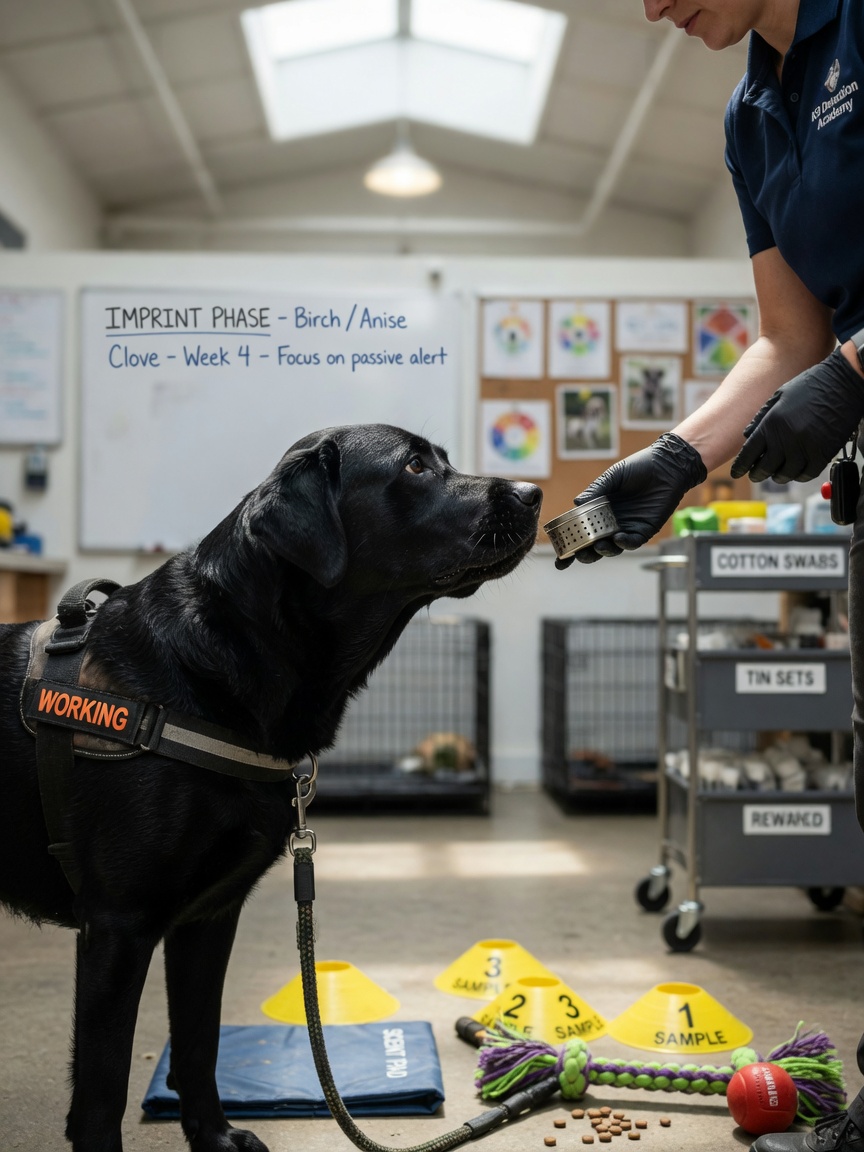
Detection dog training typically follows proven frameworks that combine reward-based learning with consistent reinforcement. The most successful programmes utilise:
- Scent imprinting: Teaching dogs to identify and locate specific target odours
- Controlled conditioning: Linking target scent detection with meaningful rewards
- Progressive difficulty: Gradually increasing challenge levels as competency improves
- Real-world scenarios: Practising in authentic environments where dogs will eventually work
- Distraction training: Maintaining focus despite competing scents and environmental factors
Training programmes typically last 6-12 months, with ongoing development throughout the dog's working career.
Handler Partnership and Bond
Even the most talented detection dog cannot succeed without an equally skilled handler. The handler-dog relationship forms the cornerstone of operational success. Effective handlers understand their dog's subtle communication signals, maintain consistent training protocols, and provide appropriate rest and recovery.
Trust between handler and dog is paramount—the dog must willingly cooperate with their handler in potentially stressful situations, whilst the handler must have absolute confidence in their dog's alerts and behaviour.
Ongoing Maintenance and Welfare
Successful detection dogs aren't simply "switched on" during work hours. Their continued performance depends on excellent health management, regular veterinary care, appropriate nutrition, and consistent exercise. Dogs working in demanding roles require preventative healthcare, including regular health checks, dental care, and stress monitoring.
Mental stimulation is equally important—detection work itself provides cognitive engagement, but dogs benefit from play, varied activities, and adequate downtime to prevent burnout.
Key Takeaways
A successful detection dog represents the convergence of natural ability, expert breeding, comprehensive socialisation, advanced training, and dedicated handler partnership. These remarkable animals don't simply possess keen noses—they combine intelligence, resilience, and specialised conditioning that transforms them into life-saving professionals. Understanding what makes detection dogs successful gives us appreciation for both the animals themselves and the professionals who train and work alongside them every day.