
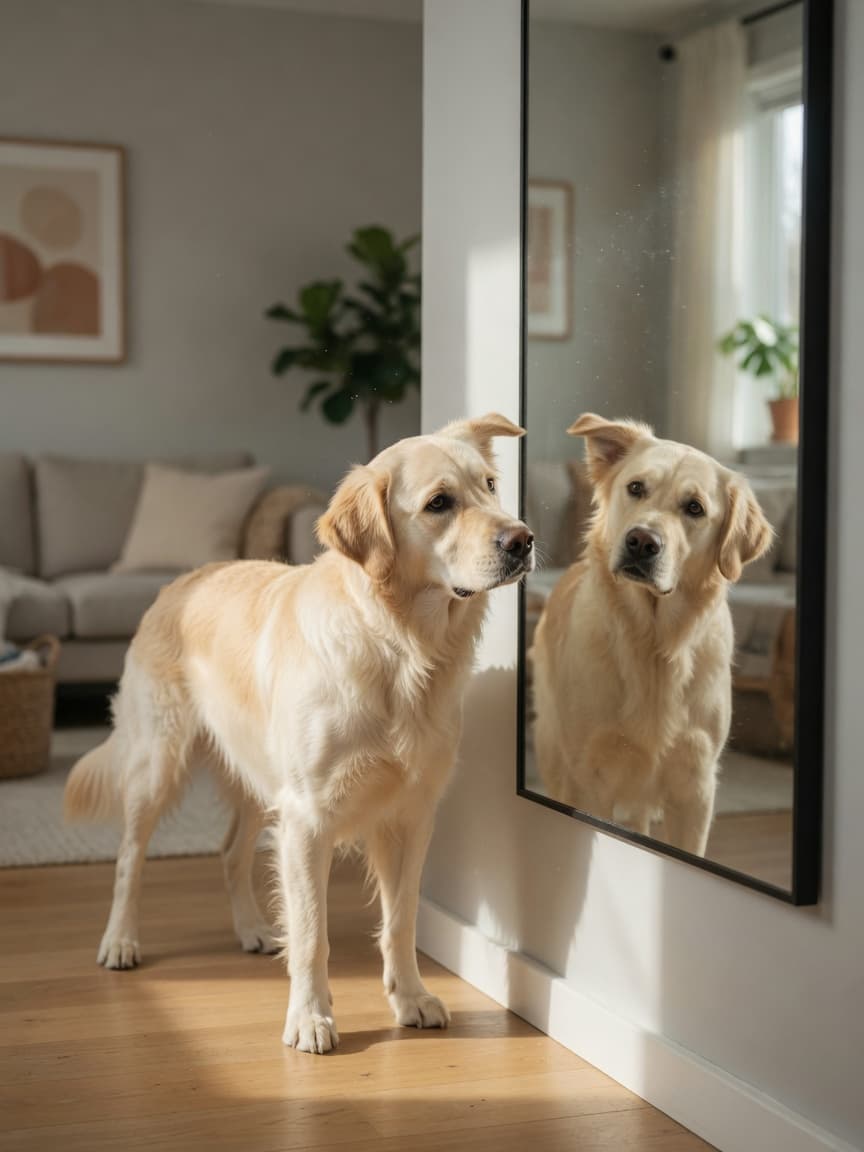
Have you ever watched your dog stare at their reflection and wondered what's going through their mind? It's a fascinatingly common question among pet owners, and the answer reveals quite a bit about canine cognition and self-awareness. Unlike humans who develop self-recognition around 18 months, dogs process mirror images differently, and understanding this can help us better appreciate how our four-legged friends perceive their world.
The Mirror Self-Recognition Test Explained
The classic mirror self-recognition test, developed by psychologist Gordon Gallup in 1970, measures whether an animal can identify itself in a reflection. The test involves placing a mark on an animal's body and observing whether they recognise it in a mirror. Dogs typically fail this test, not because they lack intelligence, but because their brains process visual information in fundamentally different ways to humans.
Research shows that most dogs don't understand that a mirror reflects their own image. Instead, they may perceive the reflection as another dog, ignore it entirely, or show curiosity that quickly fades. This doesn't indicate a lack of intelligence—it simply reflects how dogs' visual perception has evolved alongside their unique sensory strengths.
Why Dogs Experience Mirrors Differently
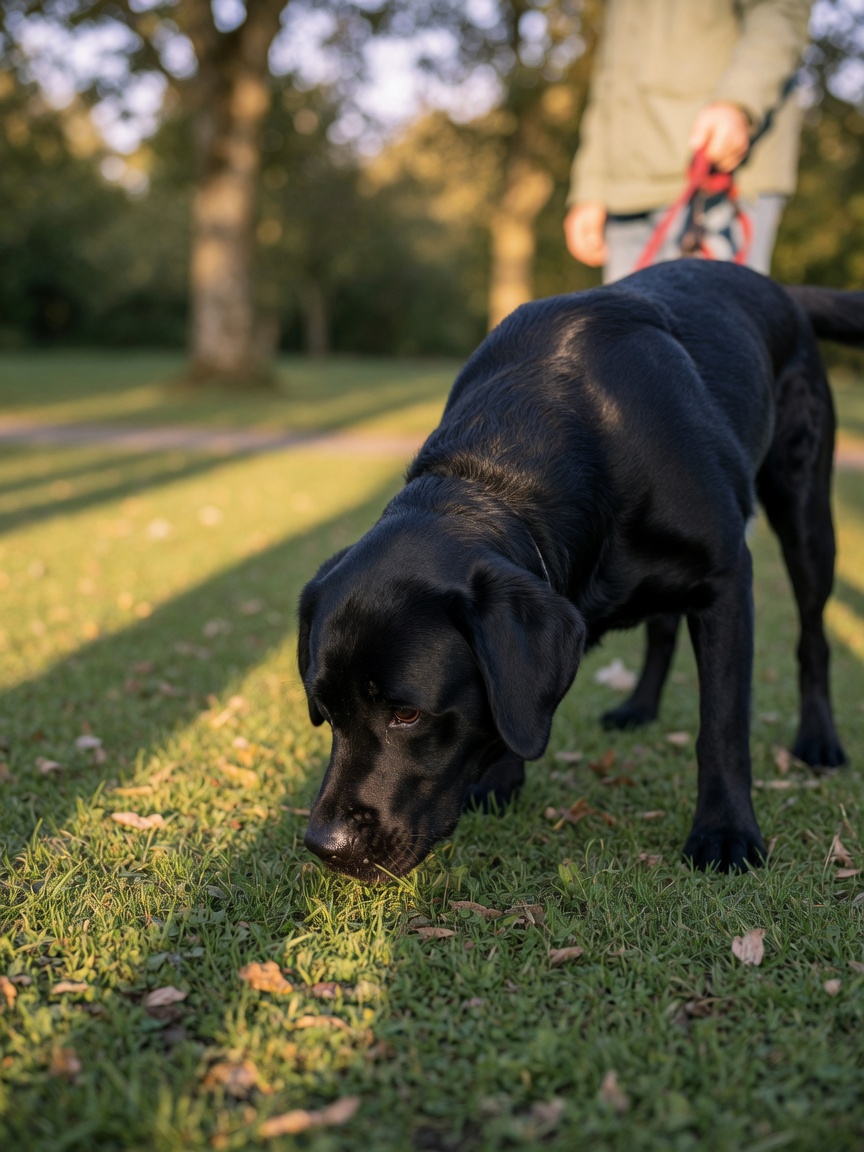
Dogs rely far more heavily on scent and sound than vision when identifying themselves and others. When your dog encounters their mirror image, they expect to smell another dog but find no scent at all. This sensory mismatch causes confusion, and most dogs lose interest quickly.
- Olfactory priority: Dogs process scent information before visual cues, making smell their primary identification method
- Movement perception: Dogs may focus on the movement delay in mirrors rather than recognising the reflection as themselves
- Social interpretation: Some dogs perceive mirrors as showing another dog without recognisable social cues, leading to disinterest
- Pupil size differences: Dogs have different pupil responses to light compared to humans, affecting how they process reflections
What This Reveals About Canine Intelligence
Failing the mirror test doesn't diminish dog intelligence—it simply shows that dogs don't need visual self-recognition to function brilliantly in their environment. Dogs demonstrate remarkable cognitive abilities in other ways, including:
- Remembering up to 250 different words and gestures
- Understanding complex commands and following multi-step instructions
- Recognising individual humans by their scent, even after extended separations
- Solving problems and learning through observation
- Displaying empathy and emotional intelligence towards their human families
Your Dog's Actual Self-Awareness
Dogs possess what scientists call "chemical self-recognition." They understand their own scent and can distinguish it from others'. This is why dogs are so good at tracking and why they'll recognise their own urine markings on walks. They also demonstrate self-awareness through bodily awareness—they know where their body is in space and understand their physical capabilities.
Your dog likely recognises themselves through their interaction with you rather than through mirrors. They know their name, respond to your emotional cues, and understand their role within your family unit—these are genuine markers of self-awareness that matter far more in their daily lives.
What Should You Do With Your Dog's Mirror?
If your dog repeatedly reacts to mirrors by barking or seeming distressed, you can gently redirect their attention with treats or toys. Most dogs will lose interest naturally over time. There's no need to remove mirrors from your home—some dogs simply ignore them completely, whilst others may use mirrors as additional visual information about their environment.
Key Takeaways
Dogs don't recognise themselves in mirrors, but this reflects how brilliantly their brains have adapted to depend on scent and sound rather than visual self-recognition. Your dog's intelligence remains remarkable, even without mirror self-recognition. Understanding that dogs process the world differently helps us appreciate their unique abilities and respond to their needs more effectively. Rather than focusing on mirror tests, celebrate the genuine self-awareness your dog displays every day through their interactions with you and their environment.
```