
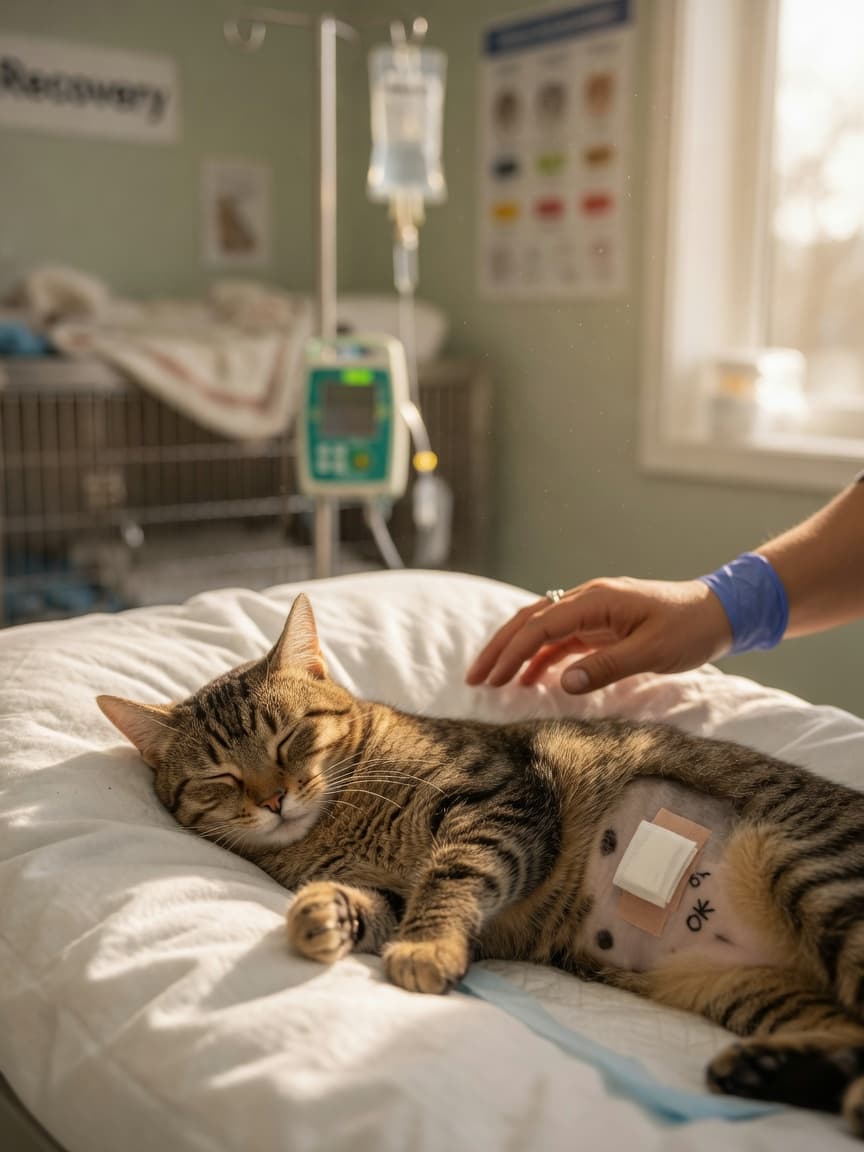
Spaying—or ovariohysterectomy, to use the medical term—is one of the most common surgical procedures performed on cats. If you're considering this procedure for your feline companion, you probably have questions about what happens before, during, and after surgery. Understanding the process can help ease your concerns and ensure you're prepared to give your cat the best possible care during her recovery.
Understanding the Spaying Procedure
Spaying is a surgical procedure that removes a cat's ovaries and uterus. It's a permanent form of contraception that prevents pregnancy and eliminates the heat cycles your cat would otherwise experience multiple times per year. The procedure is performed under general anaesthesia, and your vet will monitor your cat's heart rate, blood pressure, and oxygen levels throughout.
During the surgery, your vet makes a small incision (typically 1-2 inches) in the abdomen or flank. Through this opening, they locate the ovaries and uterus, remove them, and close the incision with sutures or surgical glue. The entire procedure usually takes 15-30 minutes, though this varies depending on your cat's age and health status.
Pre-Surgery Preparation
Before your cat's spaying appointment, your vet will conduct a thorough health check and may recommend pre-operative blood work. This is especially important for older cats or those with existing health conditions. Follow these preparation steps:
- Fast your cat for 8-12 hours before surgery (no food or water)
- Arrange for someone to collect your cat after recovery
- Prepare a quiet, comfortable recovery space at home
- Ask your vet about any medications your cat normally takes
- Discuss pain management and aftercare requirements
What Happens During Recovery
Your cat will feel groggy and disoriented when she wakes up from anaesthesia. Most vets keep cats in recovery for a few hours after surgery to ensure they're stable and can walk without difficulty before going home. You may be given pain relief medication—typically for 3-5 days—and antibiotics to prevent infection.
The first few days at home are crucial for proper healing. Keep your cat in a quiet area, limit physical activity, and prevent her from licking or biting at the incision site. If she seems overly interested in her wound, ask your vet about using an Elizabethan collar (cone).
Expected Healing Timeline
- Days 1-3: Expect letharness, minimal appetite, and possible vomiting as the anaesthesia wears off
- Days 3-7: Most cats feel significantly better; appetite returns to normal
- Days 7-10: Sutures are typically removed; the incision should look mostly healed
- Weeks 2-3: Full recovery occurs; normal activity can resume
Potential Complications to Watch For
Whilst spaying is a routine procedure, it's important to recognise signs of complications. Contact your vet immediately if you notice:
- Excessive swelling, redness, or discharge from the incision
- Your cat refusing food for more than 24 hours
- Signs of pain or unusual letharness beyond day two
- Difficulty urinating or defecating
- Self-trauma from excessive licking at the wound
Long-Term Benefits and Considerations
Spaying offers significant health advantages. It eliminates the risk of ovarian and uterine cancer, prevents pyometra (a potentially life-threatening uterine infection), and stops behavioural issues associated with heat cycles. Most vets recommend spaying before your cat's first heat, typically around 5-6 months of age, though cats of any age can be safely spayed.
After spaying, some cats tend to gain weight more easily. Monitor her food intake and maintain regular exercise to keep her at a healthy weight.
Key Takeaways
Spaying is a safe, routine procedure that offers lasting health and behavioural benefits for your cat. With proper pre-operative preparation and post-operative care, most cats recover smoothly within 10-14 days. Always follow your vet's specific instructions, and don't hesitate to contact them if you have concerns during recovery. Your cat will be back to her normal self—and spayed—in no time.