
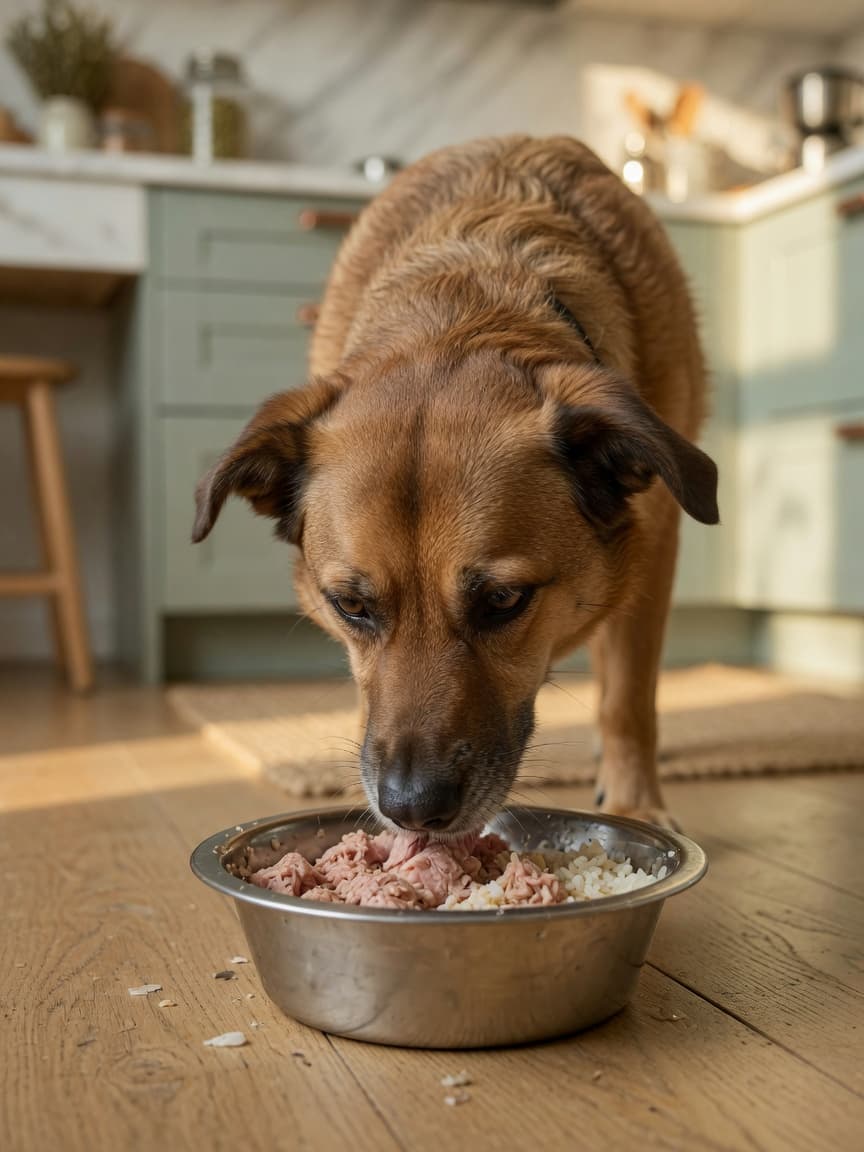
Can Dogs Eat Tuna?
If you've ever opened a tin of tuna whilst your dog watches with hopeful eyes, you've probably wondered whether sharing a little is safe. The answer is nuanced: yes, dogs can eat tuna in moderation, but there are several important considerations that pet owners need to understand. As a nutritionist, I'm frequently asked about this question, and the reality involves balancing the nutritional benefits against some genuine health risks. Let's explore what you need to know to make an informed decision about tuna and your canine companion.
The Nutritional Benefits of Tuna
Tuna is genuinely nutritious and offers several health benefits for dogs when offered appropriately. It's an excellent source of high-quality protein, which supports muscle development and maintenance—particularly important for active dogs and senior pets. Tuna also contains omega-3 fatty acids, which promote a healthy coat, skin, and cardiovascular health.
Additionally, tuna provides B vitamins, including niacin and B12, which support energy metabolism and neurological function. The mineral selenium found in tuna acts as an antioxidant, protecting cells from damage.
Important Health Concerns
Despite these benefits, several concerns warrant careful consideration:
- Mercury content: Tuna, particularly larger species like albacore, accumulates mercury over time. Whilst human food safety standards account for this, dogs are considerably smaller, meaning the same portion represents a proportionally higher mercury dose.
- Sodium levels: Tinned tuna is often packed in salt, which can contribute to excessive sodium intake and potentially increase blood pressure.
- Thiaminase: Raw and some preserved fish contain thiaminase, an enzyme that breaks down thiamine (vitamin B1). This can lead to neurological issues if consumed regularly.
- Choking hazard: Bone fragments in some tinned varieties pose a choking risk.
Safe Ways to Serve Tuna
If you choose to offer tuna occasionally, follow these guidelines:
- Choose tuna tinned in water rather than oil or brine, and rinse thoroughly to reduce sodium
- Offer small portions—a tablespoon or two for medium-sized dogs—no more than once weekly
- Remove all bones carefully and check for fragments
- Avoid tuna in sunflower oil, which is high in omega-6 fats that can promote inflammation
- Never serve raw tuna due to parasites and thiaminase concerns
Dogs That Should Avoid Tuna
Certain dogs should not eat tuna at all, including those with:
- Kidney disease (mercury sensitivity)
- Hypertension (salt sensitivity)
- Allergies to fish
- Pancreatitis (due to fat content)
- Pregnancy or nursing (mercury risks)
Healthier Alternatives
If you're seeking to provide omega-3 fatty acids and lean protein, consider these safer alternatives: cooked salmon (mercury-free and equally beneficial), cooked chicken breast, lean turkey, or fish specifically formulated for dogs with controlled mercury and salt levels.
Key Takeaways
Tuna can be an occasional treat for healthy adult dogs when prepared properly, but it shouldn't feature regularly in their diet. The risks—particularly mercury accumulation and sodium overload—generally outweigh the benefits unless your dog has specific nutritional needs your veterinarian has identified. Always consult your vet before introducing any new food, particularly if your dog has existing health conditions. Remember, commercial dog foods are formulated to meet all nutritional requirements, so tuna remains an occasional indulgence rather than a dietary necessity.
Key takeaways
- Tuna offers protein, omega-3 fatty acids, and B vitamins, but mercury accumulation and high sodium content pose genuine health risks for dogs
- Only serve tinned tuna in water (rinsed well), never raw tuna or tuna in oil/brine, and limit to once weekly in small portions
- Dogs with kidney disease, hypertension, fish allergies, pancreatitis, or pregnant/nursing dogs should not eat tuna at all
- Safer alternatives like cooked salmon, chicken breast, and lean turkey provide similar nutritional benefits without the mercury concerns
Frequently asked questions
How much tuna can I give my dog?
A tablespoon or two for medium-sized dogs, no more than once weekly. Always choose tinned tuna in water that's been rinsed thoroughly to reduce sodium content. Larger or smaller dogs should have portions adjusted accordingly.
Is tinned tuna in oil safe for dogs?
No, tinned tuna in oil is not recommended because the oil is high in omega-6 fats, which can promote inflammation. Stick to tuna tinned in water, rinsed well to remove excess sodium.
Why is mercury in tuna bad for dogs?
Tuna accumulates mercury over time, particularly larger species like albacore. Dogs are considerably smaller than humans, so the same portion represents a proportionally higher mercury dose for their body weight, making regular consumption risky.
What health conditions mean my dog shouldn't eat tuna?
Dogs with kidney disease, hypertension (high blood pressure), fish allergies, pancreatitis, or those who are pregnant or nursing should avoid tuna entirely. Always consult your vet before introducing tuna if your dog has any existing health conditions.