
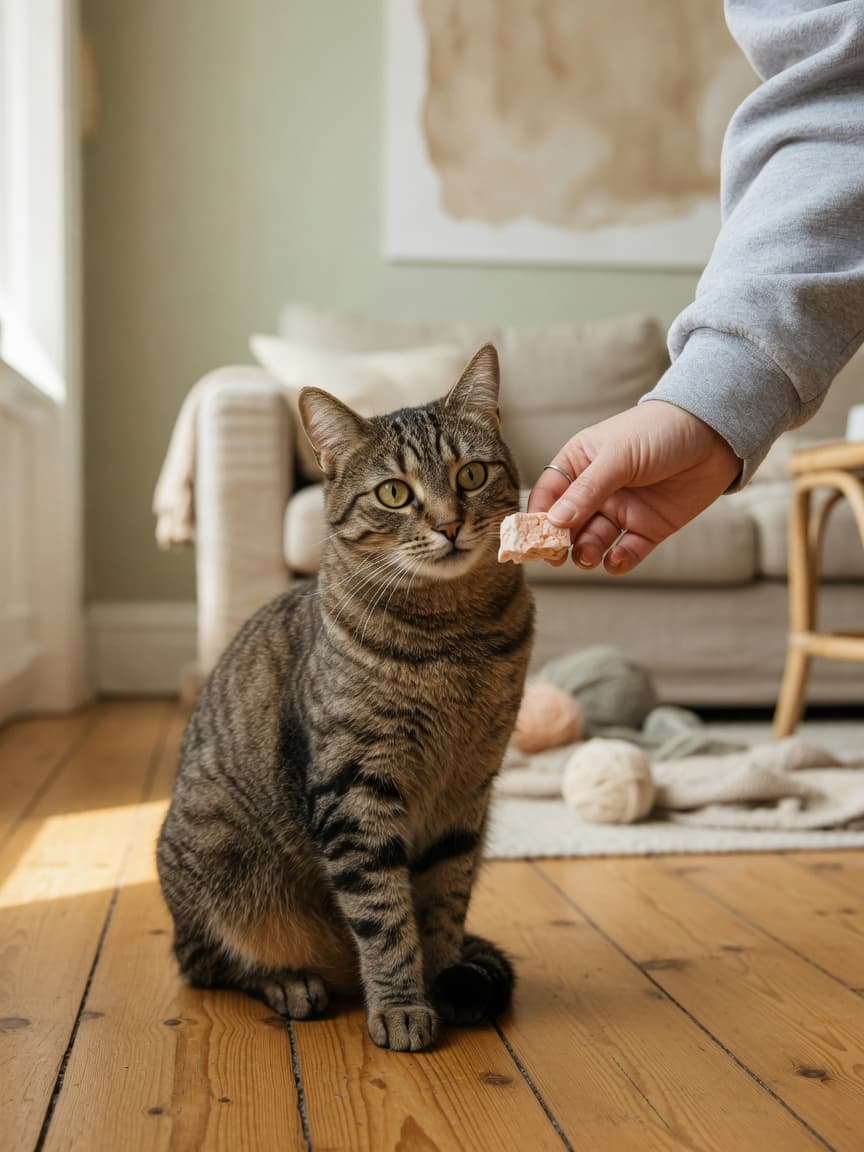
Many cat owners resign themselves to the belief that cats are simply untrainable creatures, ruled entirely by whim and indifference. However, this couldn't be further from the truth. Cats are intelligent, motivated animals capable of learning a remarkable range of behaviours. The secret lies not in forcing compliance, but in understanding feline psychology and working with your cat's natural instincts. Whether you're hoping to improve litter box habits, teach recall, or reduce unwanted scratching, cat training is absolutely achievable—you just need to approach it differently than you would with a dog.
Understanding Feline Motivation
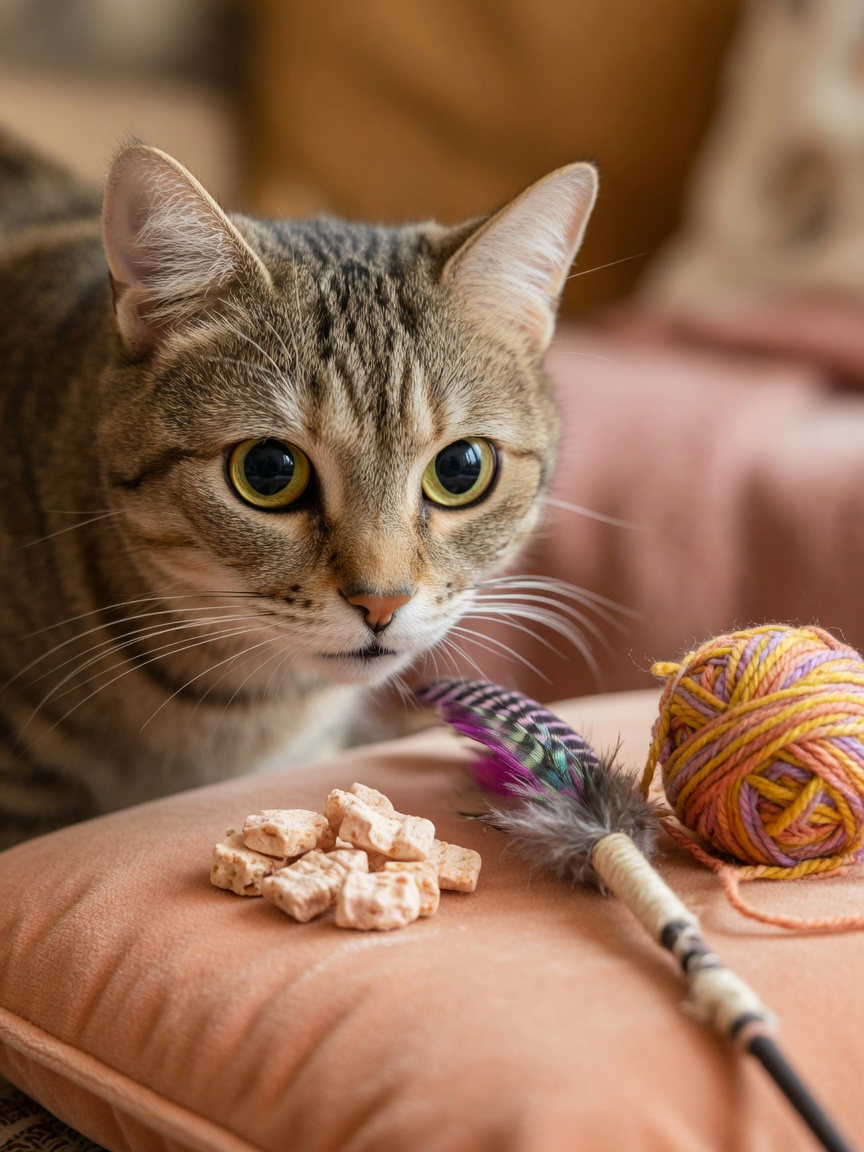
The first step to successful cat training is recognising what drives your cat. Unlike dogs, who are pack animals motivated by social hierarchy and pleasing their humans, cats are more self-interested. They respond best to immediate, tangible rewards—typically high-value treats, favourite toys, or positive attention.
Start by identifying what your individual cat loves most. This might be freeze-dried chicken treats, a particular toy, or even just a few moments of gentle stroking. Use these rewards strategically during training sessions. Crucially, training should feel voluntary to your cat; forced participation will only create negative associations.
The Foundation: Positive Reinforcement
Positive reinforcement is the cornerstone of effective cat training. When your cat performs the desired behaviour, immediately reward it with something they value. Timing is critical—the reward must come within one to two seconds of the behaviour occurring, so your cat makes the connection between their action and the positive consequence.
- Use small, bite-sized treats as rewards during training sessions
- Keep training sessions short (5-10 minutes) to maintain your cat's interest
- Train during times when your cat is naturally active and alert
- Avoid training when your cat is hungry or tired
- Never punish or scold your cat—this damages trust and slows progress
Teaching Essential Behaviours
The most practical behaviours to teach your cat include litter box usage, scratching on appropriate surfaces, and basic commands like sit or come.
Litter Box Training: Most cats naturally use a litter box, but if yours hasn't, place the box in a quiet, accessible location away from food and water. When your cat uses it correctly, reward immediately. If accidents occur, never punish—simply clean the area thoroughly and consider adding additional litter boxes.
Scratching Posts: Scratching is a natural, necessary behaviour. Rather than eliminating it, redirect it. Place scratching posts near areas where your cat naturally scratches, and reward interaction with the post using treats or play. You might also apply catnip to encourage use.
Recall and Harness Training: Yes, you can teach your cat to come when called and even walk on a harness. Start in a confined space, use high-value treats as lures, and progress gradually. This takes patience but opens wonderful opportunities for enrichment.
Creating the Right Environment
Environmental management is equally important as direct training. Provide appropriate outlets for natural behaviours: climbing structures, scratching posts, interactive toys, and window perches. A mentally stimulated cat is more engaged and responsive to training.
Ensure your cat has vertical spaces to retreat to—this reduces stress and makes them more receptive to interaction. Puzzle feeders and interactive toys also provide mental enrichment whilst reinforcing positive behaviours.
Common Training Mistakes to Avoid
Consistency matters enormously in cat training. If multiple household members use different approaches, your cat will become confused. Ensure everyone follows the same protocol regarding rewards and boundaries. Additionally, avoid punitive measures; cats don't understand punishment and will only learn to fear or avoid you.
Key Takeaways
Cat training requires patience, consistency, and respect for feline psychology. By using positive reinforcement, understanding individual motivation, and maintaining realistic expectations, you can successfully train your cat. Remember: you're not forcing obedience, but rather encouraging cooperation. The result? A more confident, enriched cat and a stronger bond between you and your feline companion.