
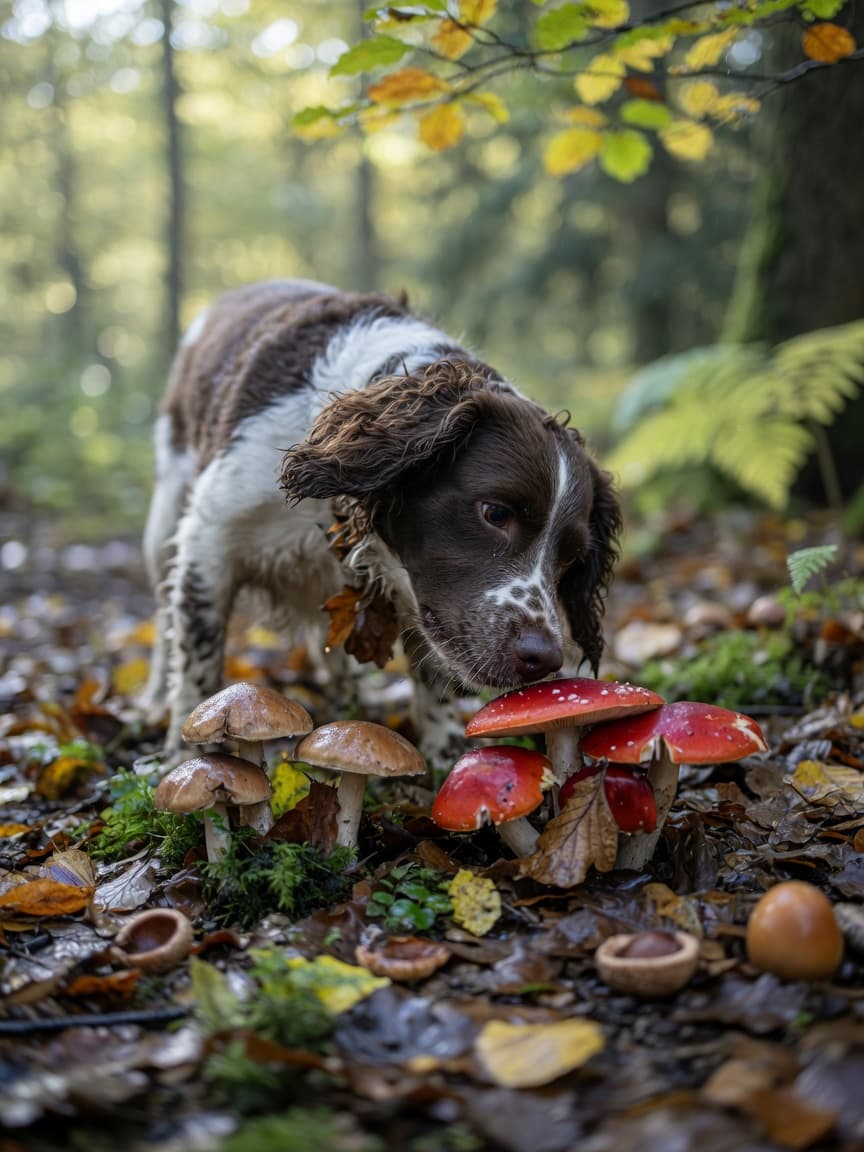
The Short Answer: It Depends on the Mushroom
Mushrooms are one of those foods where the answer is genuinely complicated. Some are perfectly safe for dogs, whilst others can cause liver failure and death within 24 hours. The problem is that even experienced foragers struggle to tell the difference between edible and toxic species, and dogs certainly cannot. Understanding which mushrooms pose a risk — and why — is essential knowledge for any dog owner.
Shop-Bought Mushrooms: Generally Safe
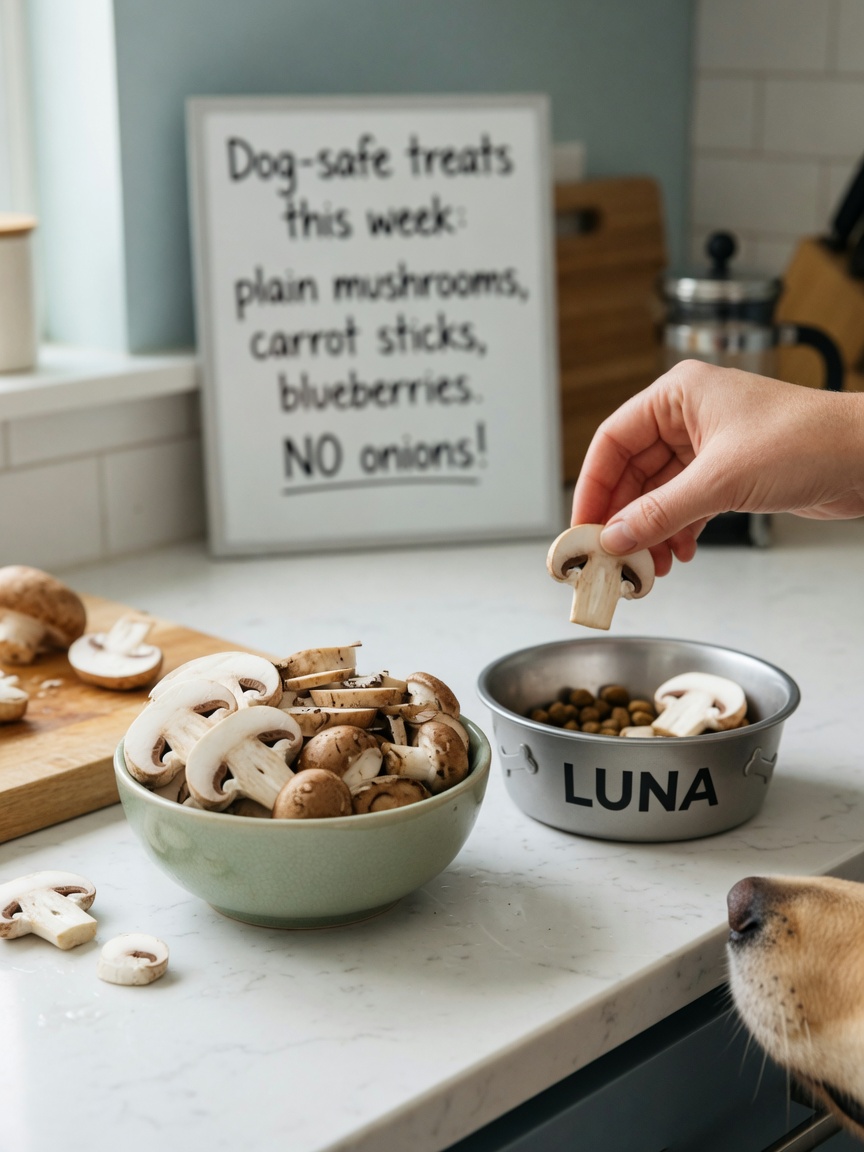
The mushrooms you buy from a supermarket or greengrocer are generally considered safe for dogs in small quantities. These include white button mushrooms, chestnut mushrooms, portobello mushrooms, and cremini varieties. They are non-toxic, digestible, and even offer a modest nutritional profile that includes B vitamins, potassium, and antioxidants.
That said, preparation matters enormously. Plain, raw or lightly cooked mushrooms without any seasoning, oils, garlic, or onions are the only appropriate way to offer them to a dog. Many recipes we cook with mushrooms include ingredients that are actively harmful to dogs — garlic and onions, for instance, cause oxidative damage to red blood cells and can lead to haemolytic anaemia even in small amounts. So whilst the mushroom itself may be harmless, the way we typically cook them at home can make them a serious risk.
How Much Is Safe?
There is no established therapeutic dose for mushrooms in dogs. As an occasional treat, a small piece of plain cooked shop-bought mushroom is unlikely to cause any harm in a healthy adult dog. However, mushrooms are not a necessary part of a balanced canine diet and offer no benefit that cannot be obtained from a properly formulated dog food. Think of them as a neutral food at best — safe in very small amounts under specific conditions, but not worth going out of your way to provide.
Wild Mushrooms: A Serious and Underestimated Risk
Wild mushrooms are an entirely different matter. The UK is home to several highly toxic mushroom species, and the danger they pose to dogs cannot be overstated. Dogs often encounter wild mushrooms during walks, and because dogs explore the world through their mouths, accidental ingestion is a genuine concern.
The Most Dangerous Species
- Death Cap (Amanita phalloides) — responsible for the majority of fatal mushroom poisonings in both humans and animals worldwide. Contains amatoxins that cause liver and kidney failure. Initial symptoms may be mild, which can delay treatment.
- Destroying Angel (Amanita virosa) — similarly high in amatoxins and equally lethal. Easily mistaken for edible species by the untrained eye.
- Autumn Skullcap (Galerina marginata) — a small brown mushroom that also contains amatoxins and is commonly found on decaying wood across the UK.
- Fly Agaric (Amanita muscaria) — the iconic red and white spotted mushroom. Contains ibotenic acid and muscimol, causing neurological symptoms including tremors, disorientation, and seizures.
- False Morel (Gyromitra esculenta) — contains gyromitrin, which metabolises into a compound similar to rocket fuel. Causes vomiting, liver damage, and neurological effects.
- Panther Cap (Amanita pantherina) — similar toxins to Fly Agaric, capable of causing severe neurological symptoms rapidly.
Symptoms of Mushroom Poisoning in Dogs
One of the most dangerous features of mushroom poisoning is that symptoms can be delayed, sometimes by 6 to 24 hours after ingestion. By the time a dog appears unwell, significant organ damage may already have occurred. This is particularly true for amatoxin-containing species, where an initial period of apparent recovery can be followed by catastrophic liver failure.
Symptoms to watch for include:
- Vomiting and diarrhoea, sometimes with blood
- Excessive salivation or drooling
- Lethargy and weakness
- Tremors or seizures
- Yellowing of the skin or whites of the eyes (jaundice), indicating liver damage
- Collapse or loss of consciousness
- Abdominal pain
What to Do If Your Dog Eats a Wild Mushroom
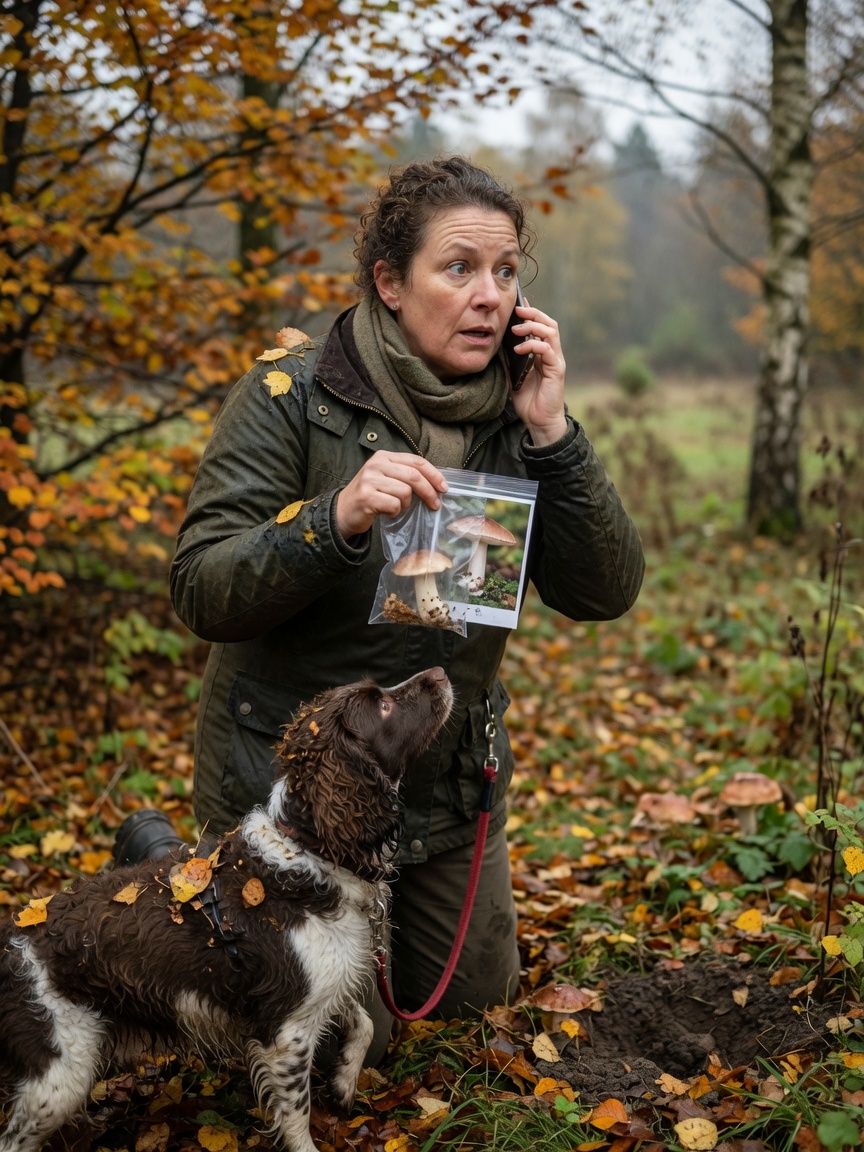
Do not wait for symptoms to appear. If you see your dog eat any wild mushroom, or you suspect they have, contact your vet or an emergency animal poison helpline immediately. In the UK, the Animal Poison Line operates 24 hours a day. Try to collect a sample or photograph of the mushroom if you can do so safely — accurate identification can significantly influence treatment decisions.
Your vet may induce vomiting, administer activated charcoal to limit toxin absorption, or initiate supportive care including intravenous fluids. Early intervention dramatically improves outcomes. There is no antidote for amatoxin poisoning, so speed is critical.
Prevention: The Only Reliable Strategy
Given how difficult mushroom identification is — even for experts — the only truly safe approach with wild mushrooms is to assume all wild mushrooms are toxic until proven otherwise. This applies regardless of whether you think you recognise the species.
Practical steps to reduce risk on walks include:
- Training a reliable "leave it" command so your dog responds consistently when approaching anything on the ground
- Keeping your dog on a lead in areas where wild mushrooms are likely, particularly woodland, hedgerows, and damp grassland in autumn
- Scanning the ground ahead during walks and steering clear of any visible fungi
- Checking your garden regularly, as many toxic species can appear in lawns after rain
The Bottom Line
Plain, shop-bought mushrooms are unlikely to harm your dog in small amounts, though they offer little nutritional benefit and should never be served with seasoning or alongside other ingredients. Wild mushrooms, by contrast, represent a genuine and potentially fatal risk. The diversity of toxic species in the UK and the difficulty of visual identification mean that any wild mushroom your dog encounters should be treated as a potential emergency. When in doubt, err heavily on the side of caution — it is the safest policy by far.