
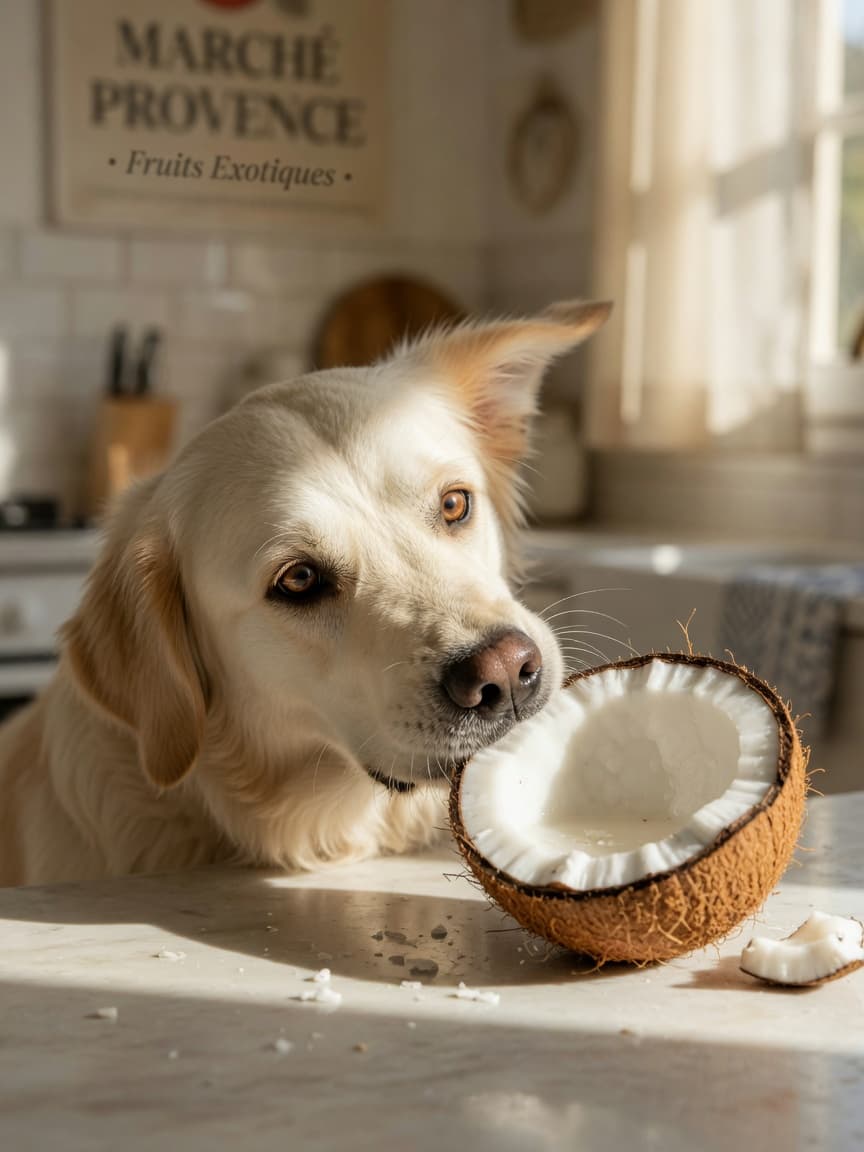
Can Dogs Eat Coconut? Fresh vs Oil vs Flakes
Coconut has become a popular ingredient in the pet food world, appearing in everything from dog treats to grooming products. The interest is partly driven by the general wellness trend around coconut and partly by genuine evidence that certain coconut-derived compounds have beneficial properties. But not all coconut products are created equal, and what's good in one form can be problematic in another.
Let's break down each coconut product your dog might encounter.
Fresh Coconut Flesh
The white inner flesh of a fresh coconut is safe for dogs to eat in small amounts. It contains medium-chain fatty acids (MCFAs), particularly lauric acid, which has documented antimicrobial and anti-inflammatory properties in animal studies. Lauric acid has been shown to help fight off bacteria, viruses, and fungi in several research contexts, and some veterinary nutritionists consider it beneficial for dogs with immune challenges or skin conditions.
Fresh coconut also contains dietary fiber, manganese, and small amounts of vitamins C and B vitamins. The caloric density is moderate — not as high as nuts, but higher than most vegetables.
The main caveat with fresh coconut flesh is the fat content. Coconut is approximately 33% fat, and while the type of fat (predominantly saturated MCFAs) is metabolized differently than long-chain saturated fats, large quantities can still cause gastrointestinal upset and contribute to excessive caloric intake. One or two small pieces of coconut flesh as a treat is appropriate — not half a coconut.
Unsweetened Coconut Flakes
Unsweetened, dried coconut flakes are generally safe for dogs in small amounts. They are a convenient format and can be used as a food topper or mixed into homemade dog treats. The nutritional profile is similar to fresh coconut flesh, but drying concentrates the fat and calories — so portion control is even more important.
The critical distinction is unsweetened. Sweetened coconut flakes — the kind used in baking and commonly sold in supermarkets — contain significant added sugar and sometimes preservatives. These are not appropriate for dogs. Always check the ingredient label: the only ingredient should be coconut.
Coconut Oil: Popular But Nuanced
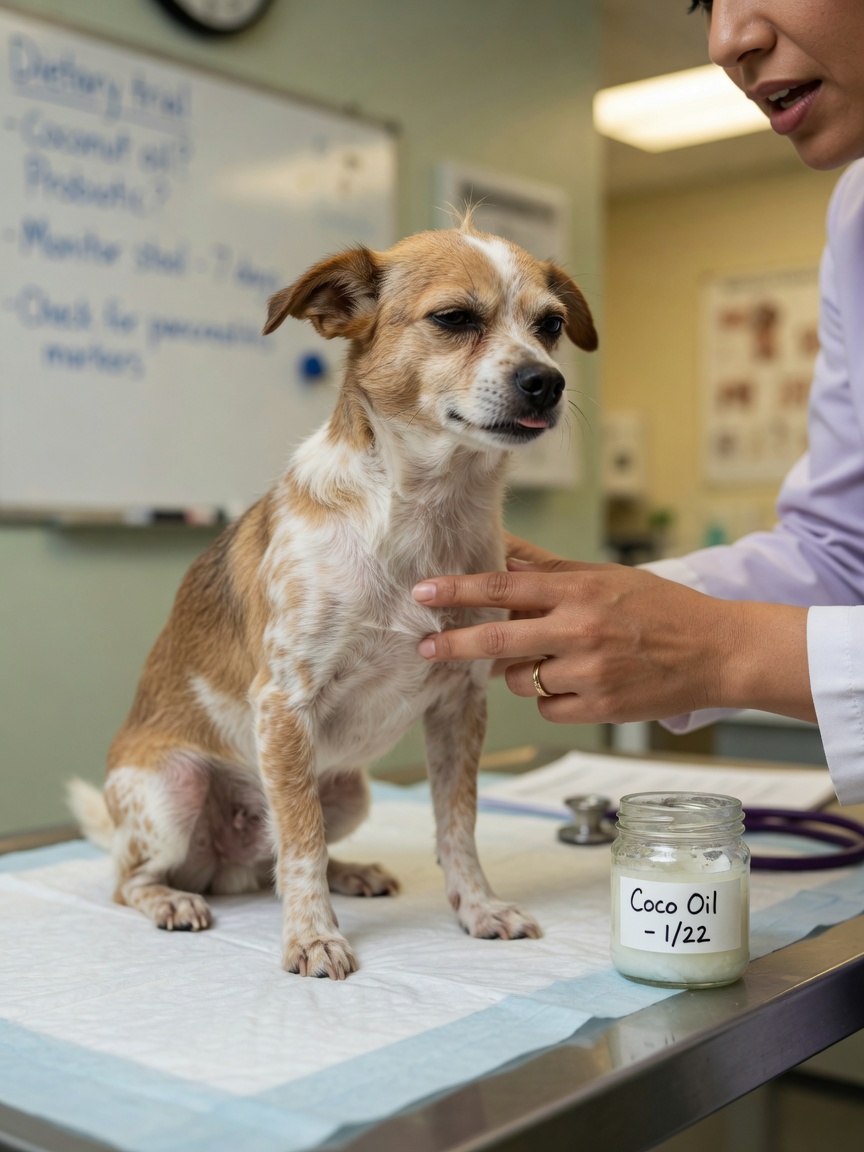
Coconut oil has had a significant moment in the pet wellness space, promoted for everything from improving coat shine to supporting cognitive function in senior dogs. Some of these claims have a basis in the properties of lauric acid and MCFAs; others are extrapolated from human or laboratory research without robust canine-specific evidence.
What is clear is this: coconut oil is approximately 90% saturated fat, which is extremely high. The American Kennel Club and many veterinary organizations advise caution with coconut oil, particularly for dogs that are overweight, prone to pancreatitis, or on high-fat diets already.
If you'd like to try coconut oil with your dog, start with a very small amount — no more than ¼ teaspoon for small dogs or ½ teaspoon for large dogs per day — and introduce it gradually. Monitor for loose stools or vomiting, which indicate the digestive system is struggling with the fat load. Consult your vet before adding coconut oil to the diet of any dog with a history of pancreatitis or lipid disorders.
Topically, coconut oil is generally well-tolerated and can be used to soothe dry skin, cracked paw pads, or minor skin irritations — though dogs will often lick it off before it has time to work, which inadvertently results in ingestion anyway.
Coconut Water: Avoid It
This is the one firm "no" in the coconut category. Coconut water contains high levels of potassium — much higher than coconut flesh or oil. While potassium is an essential mineral, excessive intake can cause hyperkalemia (elevated blood potassium), which affects heart function and can be dangerous, particularly for dogs with kidney disease or any cardiac conditions.
A dog that drinks a small amount of coconut water is unlikely to suffer serious harm, but it offers nothing that your dog needs and the potassium risk is unnecessary. Plain water is always the right hydration choice for dogs.
Coconut-Containing Dog Products
The pet market now offers a range of coconut-infused dog products — treats, chews, and supplements. These are generally formulated with appropriate serving sizes and should not raise the concerns that come with free-feeding raw coconut oil or flesh. If you are looking to incorporate coconut benefits into your dog's routine, these are often a more calibrated way to do it.
Explore coconut-based dog treats and supplements on Zooplus — find products formulated with natural coconut in dog-appropriate portions.Dogs That Should Avoid Coconut Entirely
Not every dog is a good candidate for coconut in any form. Dogs with the following conditions should have coconut discussed with a vet before introduction:
- History of pancreatitis
- Obesity or significant overweight
- Kidney disease (coconut water especially)
- Hyperlipidemia (elevated blood lipids)
- Known sensitivity to high-fat foods
Key Takeaways
- Fresh coconut flesh and unsweetened flakes are safe in small amounts and offer antimicrobial compounds like lauric acid.
- Coconut oil is popular but very high in saturated fat — use sparingly and avoid in dogs prone to pancreatitis.
- Coconut water should be avoided due to high potassium content, which can be harmful especially in dogs with kidney or heart conditions.
- Always choose unsweetened coconut products — sweetened varieties contain added sugars inappropriate for dogs.
- Introduce any new coconut product gradually and watch for digestive upset, especially in dogs with sensitive stomachs.
References
- Lieberman S, Enig MG, Preuss HG. "A review of monolaurin and lauric acid: natural virucidal and bactericidal agents." Alternative and Complementary Therapies. 2006;12(6):310-314. PMID: 17761132
- Verallo-Rowell VM, Dillague KM, Syah-Tjundawan BS. "Novel antibacterial and emollient effects of coconut and virgin olive oils in adult atopic dermatitis." Dermatitis. 2008;19(6):308-315. PMID: 19134433
Written by Julia Wrenfield, Pet Wellness Researcher