
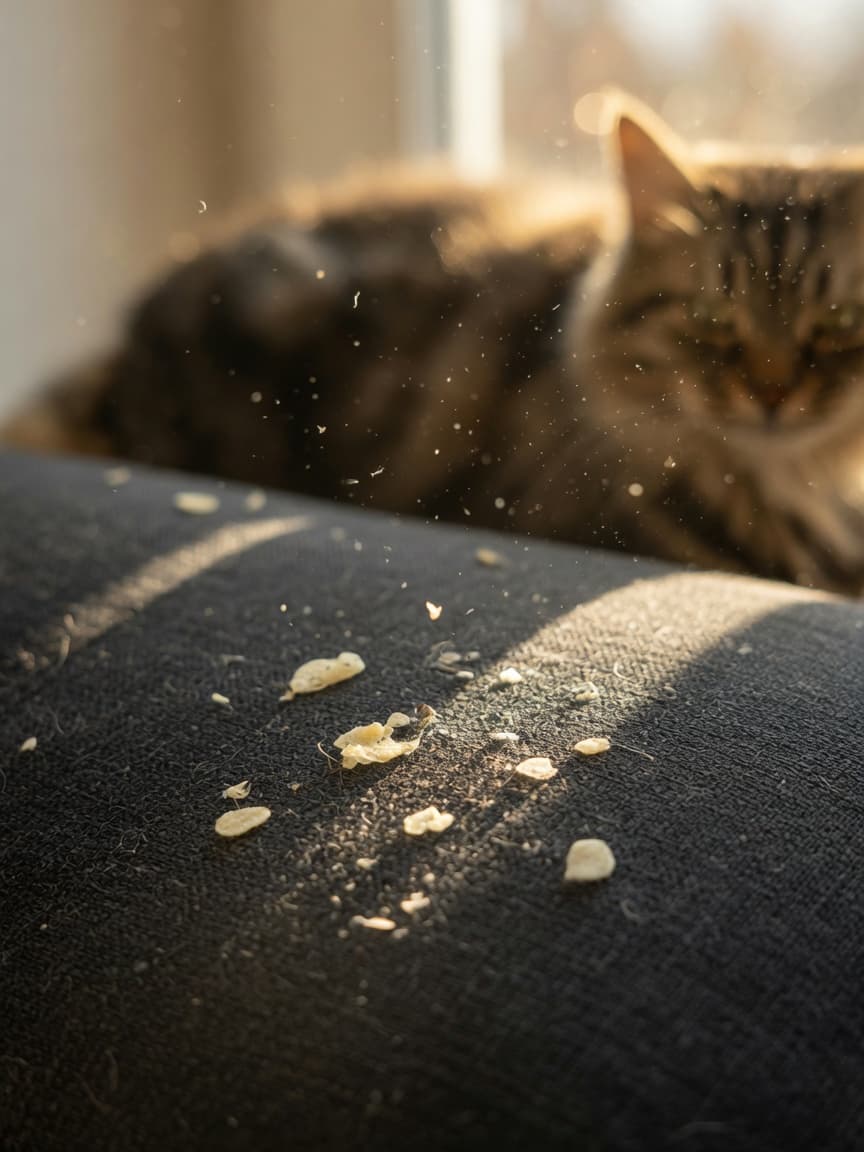
If you've ever noticed fine, white dust settling on your furniture after your cat grooms themselves, or if you've experienced itchy eyes and sneezing around your feline friend, you've encountered cat dander. Despite common misconceptions, cat dander isn't simply shed fur—it's a complex combination of microscopic particles that plays a surprisingly important role in feline health, allergen transmission, and household cleanliness. Understanding what dander is and why cats produce it can help you manage your home more effectively and recognise when excessive shedding might signal a health concern.
Understanding Cat Dander: What It Actually Is
Cat dander consists primarily of dead skin cells that naturally shed from your cat's epidermis. While all mammals shed skin cells continuously, feline dander also includes sebum (natural skin oils), saliva residue, and urine particles. These microscopic particles are 2.5 microns or smaller, making them light enough to become airborne and remain suspended in your home's air for extended periods. This is why dander can aggravate allergies even when your cat isn't present in the room.
Cats produce dander year-round, though the amount typically increases during spring and autumn when they undergo seasonal coat changes. Indoor cats may shed dander more noticeably than outdoor cats, as their controlled environment doesn't provide the natural weathering that helps remove dead skin.
Why Cats Produce Dander
Dander production is a completely normal biological process. Your cat's skin renews itself roughly every three to four weeks, similar to human skin. Each time old skin cells die, they're replaced by new ones, and the deceased cells naturally flake away. This process is essential for maintaining healthy skin and preventing the accumulation of dead tissue.
Several factors influence how much dander your cat produces:
- Diet quality: Cats fed high-quality, balanced diets typically have healthier skin and may produce less dander
- Hydration levels: Well-hydrated cats tend to have healthier skin barriers
- Environmental humidity: Dry indoor air can increase skin flaking
- Age: Senior cats may produce more dander due to skin changes
- Stress levels: Anxious cats may develop skin issues leading to excessive dander
- Underlying health conditions: Allergies, parasites, or infections can significantly increase dander production
Cat Dander and Allergies
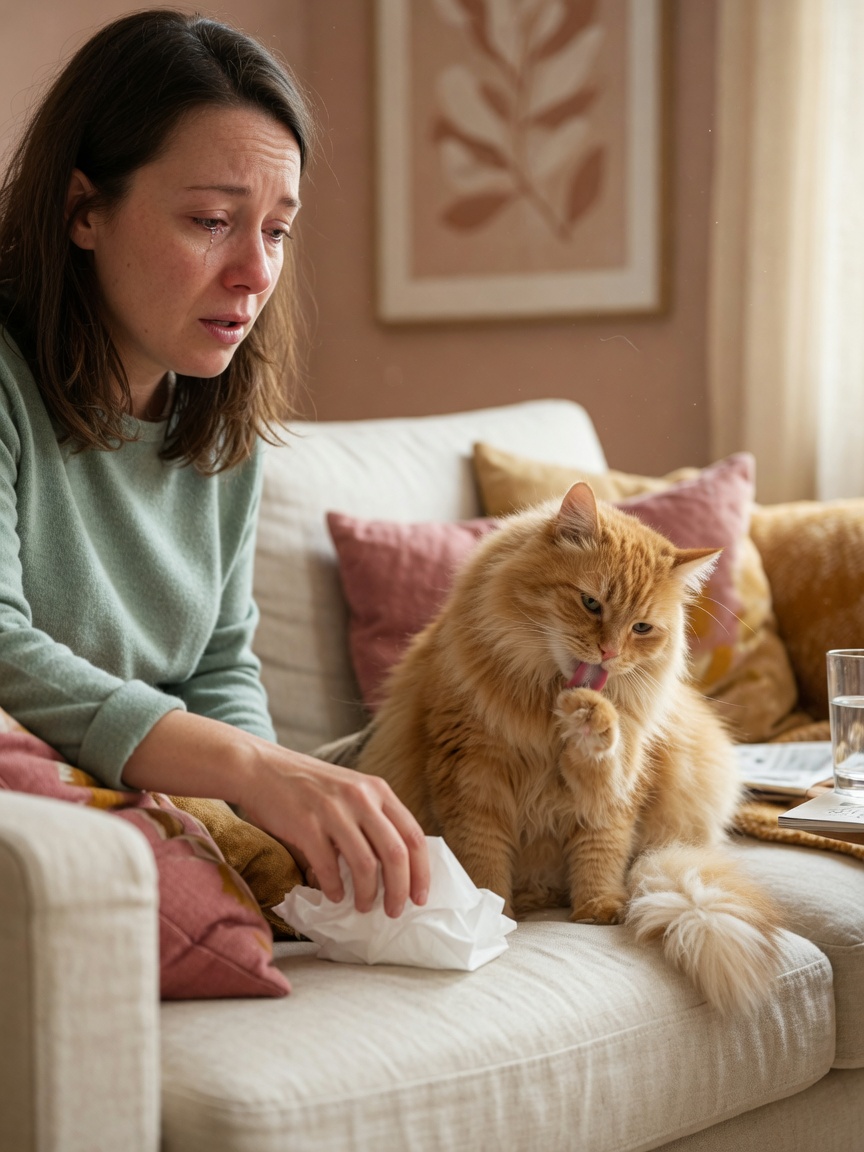
Cat dander is the primary culprit behind cat allergies in humans, affecting approximately 10% of the UK population. The allergen is particularly concentrated in a protein found in cats' skin secretions and saliva called Fel d 1. Even "hypoallergenic" cat breeds produce dander and allergens—they simply may produce lower quantities.
If you or a family member experience allergic reactions around cats, managing dander becomes essential. This may include regular grooming, air purification, and frequent cleaning of surfaces where cats rest.
When Excessive Dander Indicates Health Problems
While normal dander shedding is healthy, excessive flaking may signal underlying issues requiring veterinary attention:
- Skin infections or dermatitis
- Parasitic infestations, particularly fleas
- Allergic reactions to food or environmental triggers
- Hormonal imbalances
- Nutritional deficiencies
- Anxiety or stress-related behaviours
If your cat produces noticeably more dander than usual, appears to scratch excessively, or shows signs of skin irritation, consult your veterinarian.
Managing Cat Dander Effectively
Reducing dander in your home involves both preventative grooming and environmental management:
- Brush your cat regularly (3-4 times weekly for long-haired breeds, weekly for short-haired cats)
- Bathe your cat occasionally if they'll tolerate it, using gentle, moisturising shampoos
- Invest in a quality air purifier with HEPA filters
- Wash bedding and soft furnishings frequently in hot water
- Use microfibre cloths for dusting, as they trap particles effectively
- Maintain indoor humidity between 40-60% to prevent excessive skin drying
- Ensure your cat receives a balanced, nutrient-rich diet supporting skin health
Key Takeaways
Cat dander is a natural, healthy biological process representing shed skin cells combined with oils and saliva. While completely normal, understanding its composition helps you manage household allergens and recognise when excessive shedding might indicate health concerns. By maintaining good grooming habits, supporting your cat's nutritional needs, and managing your home environment, you can minimise dander-related issues whilst supporting your feline companion's overall wellbeing.