
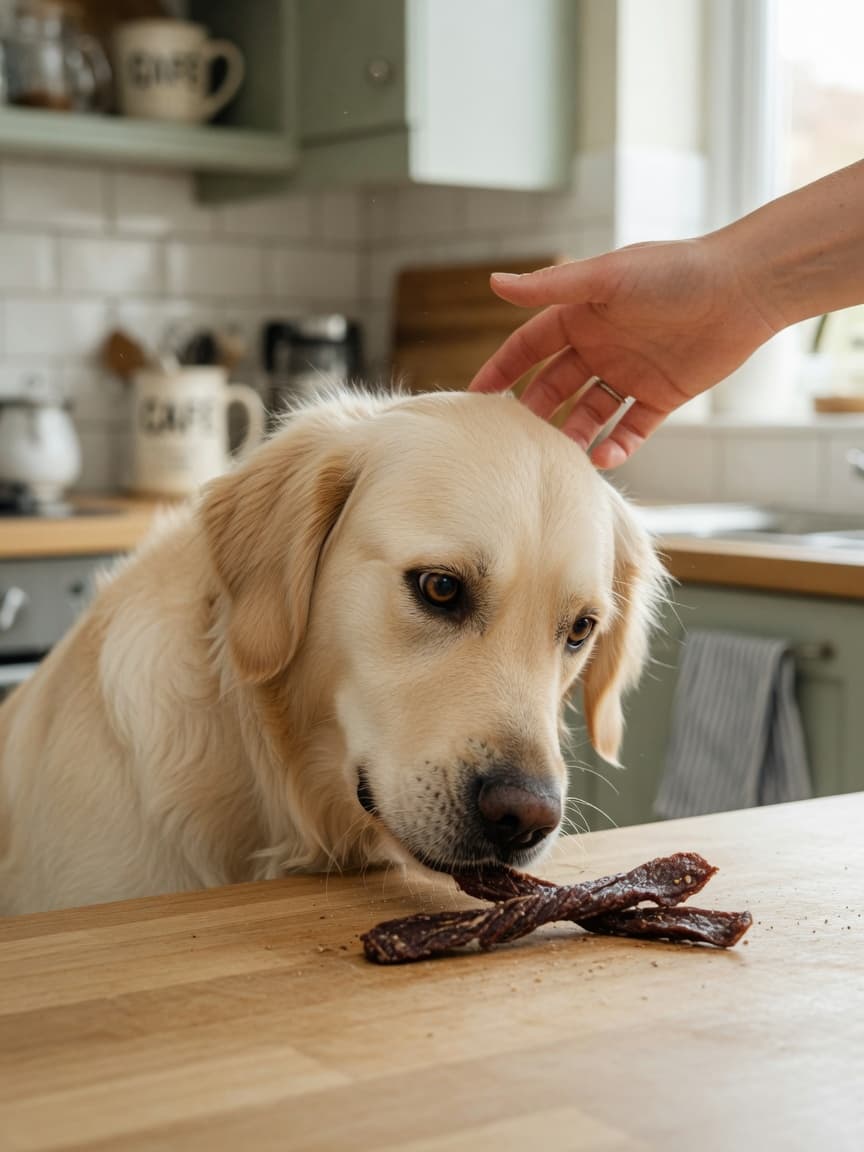
Beef jerky is a beloved snack for many dog owners, but before you share a piece with your canine companion, it's important to understand the nutritional implications and potential health risks. Whilst beef itself is generally safe for dogs, the processing methods and additives used in commercial beef jerky can pose significant concerns. As a veterinary nutritionist, I'm frequently asked whether this popular human snack is appropriate for our four-legged friends, and the answer isn't straightforward.
Is Beef Jerky Safe for Dogs?
Plain, unseasoned beef jerky made from lean meat can technically be consumed by dogs in small quantities. However, most commercial beef jerky products are not formulated with canine health in mind. The processing typically involves high sodium content, preservatives, and seasonings that can be problematic for dogs. Whilst a small piece occasionally won't cause immediate harm to most healthy adult dogs, regular consumption or larger quantities can lead to nutritional imbalances and health complications.
Key Ingredients to Watch Out For
Several components commonly found in beef jerky pose genuine risks to canine health:
- Sodium: Commercial jerky often contains excessive salt, which can lead to hypernatraemia and dehydration in dogs
- Garlic and Onion Powder: These seasonings are toxic to dogs and can damage red blood cells
- Smoke Flavouring: Some dogs may experience digestive upset from artificial smoke compounds
- Nitrates and Nitrites: Preservatives used in many jerky products have been linked to health concerns in animal studies
- Black Pepper: Can cause gastrointestinal irritation and discomfort
Potential Health Risks
Feeding beef jerky to dogs regularly or in significant quantities may result in several health issues. Excessive sodium intake can contribute to high blood pressure, particularly in senior dogs or those with existing cardiovascular conditions. The high salt content also puts strain on the kidneys, which is especially concerning for dogs with pre-existing renal issues.
Additionally, the tough, chewy texture of beef jerky can pose a choking hazard, particularly for smaller breeds or enthusiastic eaters. Some dogs may experience pancreatitis from the fatty meat content, whilst others might develop digestive upset manifesting as diarrhoea or constipation.
Safe Alternatives for Your Dog
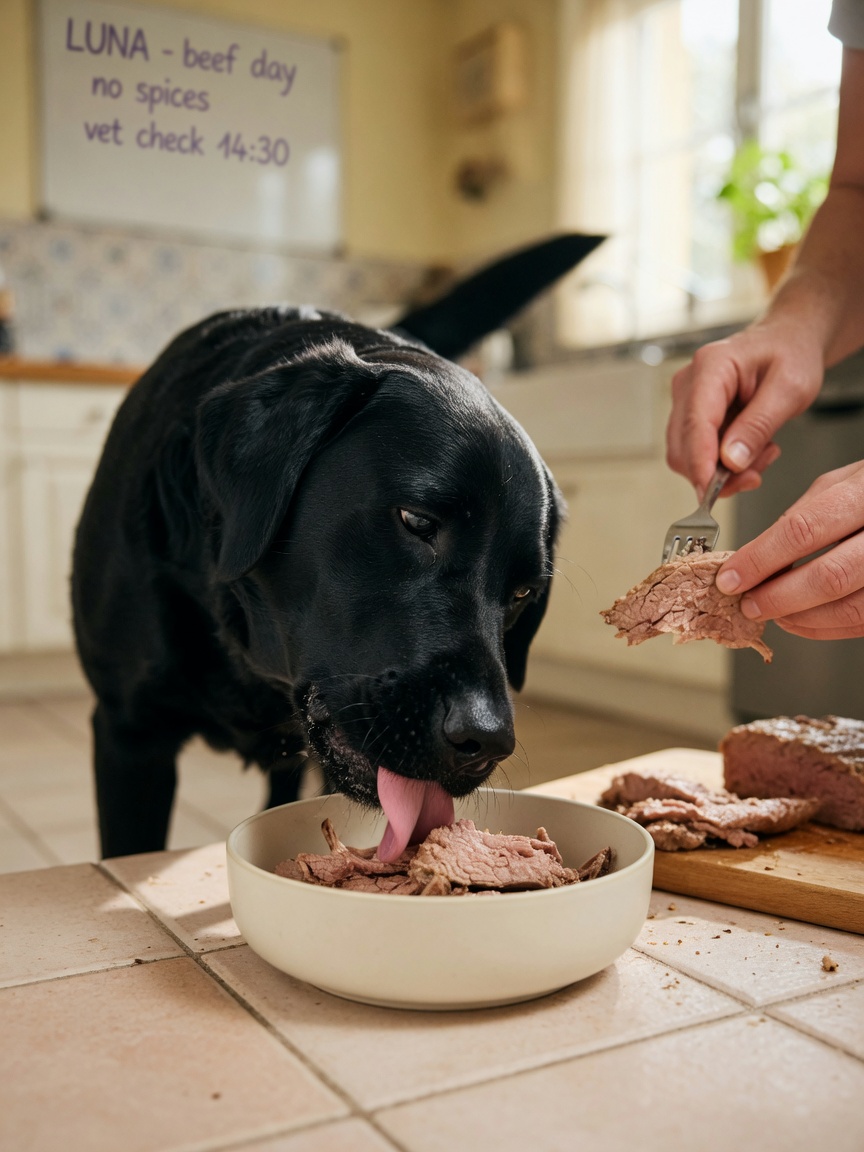
Rather than offering commercial beef jerky, consider these healthier options that satisfy the same craving:
- Homemade Beef Jerky: Prepare jerky yourself using lean beef with no added salt, garlic, or seasonings
- Plain Cooked Beef: Offer small portions of unseasoned, cooked lean beef as an occasional treat
- Beef Chew Treats: Purchase veterinary-approved beef chews specifically formulated for dogs
- Raw Meaty Bones: Consult your vet about offering appropriate raw bones under supervision
- Commercial Dog Treats: Choose treats designed specifically for canine nutrition with controlled sodium levels
When Beef Jerky Becomes an Emergency
If your dog has consumed a significant quantity of beef jerky, particularly products containing garlic or onion powder, contact your veterinarian immediately. Signs of concern include excessive drooling, vomiting, lethargy, or difficulty breathing. Dogs with pancreatitis history or heart conditions require especially careful monitoring.
Key Takeaways
Whilst small, occasional pieces of plain beef jerky won't necessarily harm most healthy adult dogs, the risks generally outweigh the benefits. Commercial beef jerky products contain excessive sodium, problematic seasonings, and preservatives that aren't designed for canine consumption. Instead, opt for safer alternatives that allow you to control ingredients and portion sizes. Always consult your veterinarian before introducing new foods to your dog's diet, particularly if your dog has existing health conditions. Your pet's wellbeing depends on nutritionally balanced, species-appropriate treats—and there are plenty of safer options available.