ForPetsHealthcare
Dogs

Are Essential Oils Dangerous to Cats?

By Julia WrenfieldUpdated August 4, 20264 min read
Evidence-based · Sources checked
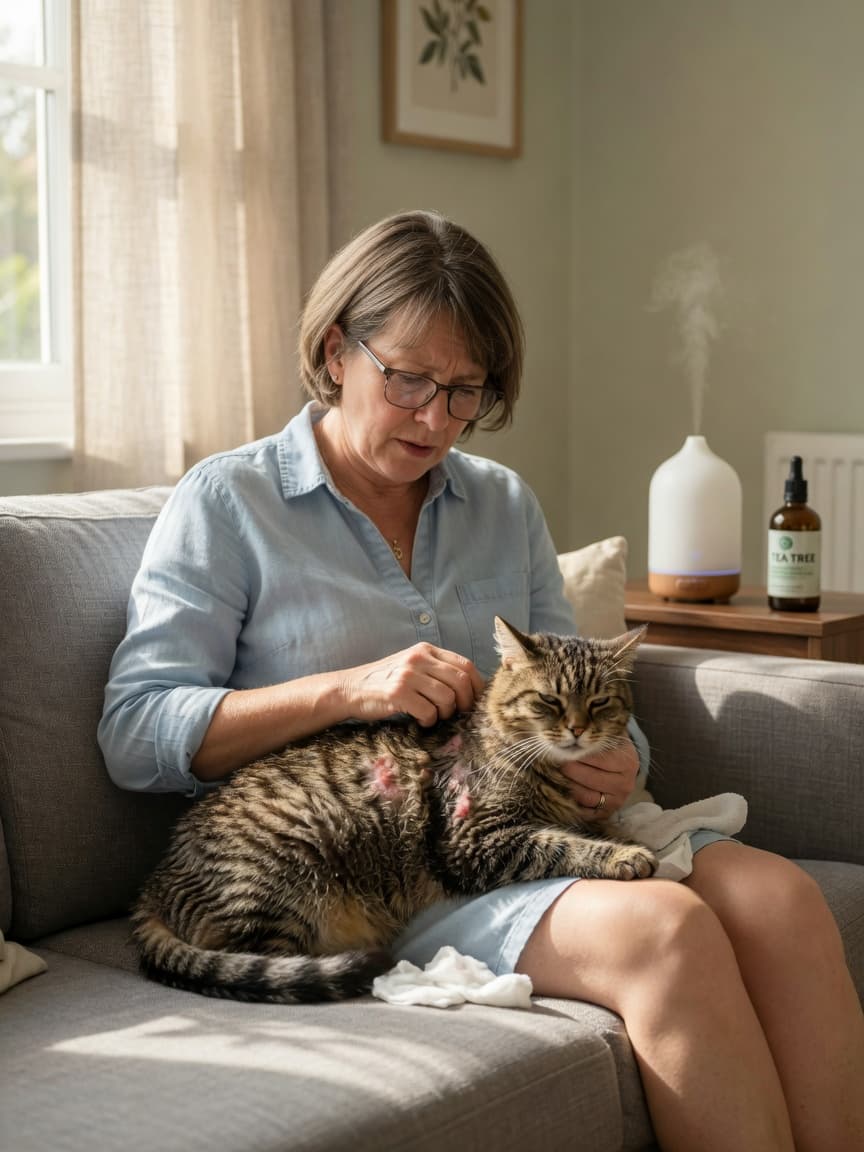
{"en": "Alert tabby cat near essential oil diffuser, illustrating potential toxicity risks for felines", "es": "Gato alerta cerca de difusor de aceites esenciales, ilustrando riesgos de toxicidad felina", "fr": "Chat tabby vigilant pr\u00e8s d'un diffuseur d'huiles essentielles, montrant les risques de toxicit\u00e9", "de": "Aufmerksame Katze neben Diffusor f\u00fcr \u00e4therische \u00d6le, zeigt Toxizit\u00e4tsrisiken f\u00fcr Katzen", "nl": "Waakzame kat bij diffuser voor etherische oli\u00ebn, illustreert giftigheidsrisico's voor katten", "pt": "Gato atento perto de difusor de \u00f3leos essenciais, ilustrando riscos de toxicidade felina", "it": "Gatto tigrato vigile vicino a diffusore di oli essenziali, mostra rischi di tossicit\u00e0 felina"}

Essential oils have become increasingly popular in British households for aromatherapy, cleaning, and wellness purposes. However, what smells wonderful to us can pose serious health risks to our feline companions. Cats metabolise substances differently than humans and other pets, making them particularly vulnerable to essential oil toxicity. If you're a cat owner considering using essential oils at home, it's crucial to understand which ones are dangerous and how to keep your cat safe.

Why Cats Are Especially Vulnerable

Cats lack certain liver enzymes, specifically glucuronyl transferase, which help break down many essential oil compounds. This means toxins accumulate in their bodies more easily than in dogs or humans. Additionally, cats spend considerable time grooming their fur, so they're more likely to ingest oils that land on their coat. Their sensitive respiratory systems also make them susceptible to inhaling volatile compounds, even in small amounts.

Essential Oils That Are Toxic to Cats

Several essential oils are known to be dangerous for felines. These include:

  • Tea tree oil – highly toxic, even in diluted forms
  • Citrus oils (lemon, lime, orange, grapefruit) – contain d-limonene which damages liver function
  • Peppermint and spearmint – can cause gastrointestinal upset and neurological issues
  • Eucalyptus – irritates respiratory and digestive systems
  • Lavender – though often considered "gentle," it's still toxic to cats in concentrated forms
  • Pine and other coniferous oils – highly toxic compounds
  • Ylang ylang, cinnamon, and clove – all pose significant risks

Signs of Essential Oil Poisoning
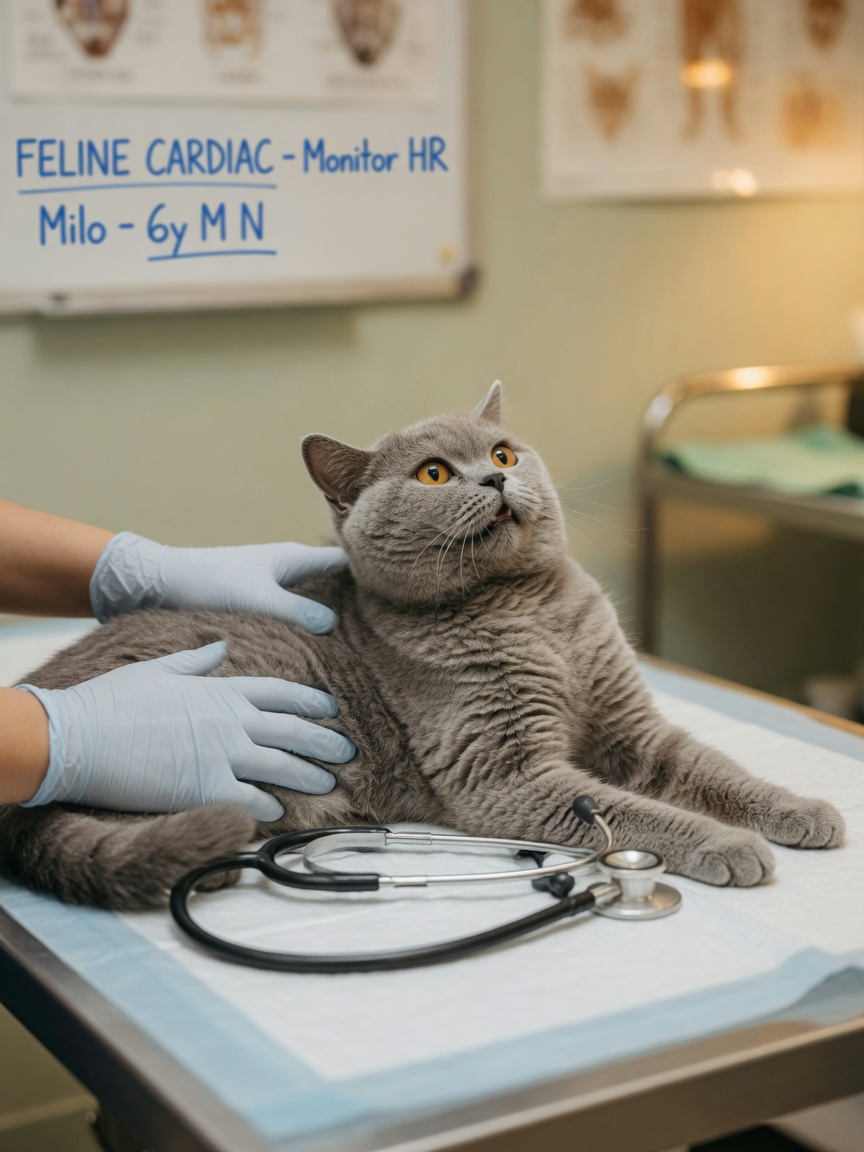
Distressed cat showing poisoning symptoms being examined by a veterinarian on a clinic table

If your cat has been exposed to essential oils, watch for these warning signs:

  • Difficulty breathing or rapid breathing
  • Drooling or vomiting
  • Tremors or unusual movements
  • Lethargy or lack of appetite
  • Skin irritation or redness
  • Weakness or loss of coordination
  • Chemical burns around the mouth or on the skin

If you notice any of these symptoms, contact your veterinarian immediately. Even if exposure seems minor, it's better to seek professional advice, as some effects can be delayed or cumulative.

Safe Practices for Essential Oil Use at Home

If you wish to use essential oils in your home whilst keeping cats safe, follow these guidelines:

  1. Avoid diffusers around cats – Never use ultrasonic or reed diffusers in rooms where cats spend time
  2. Ensure proper ventilation – If you must use oils, do so in well-ventilated areas away from your cat's living spaces
  3. Store safely – Keep all essential oil bottles securely sealed and stored where cats cannot access them
  4. Never apply topically – Don't apply oils directly to your cat's skin or fur, even diluted
  5. Choose cat-safe alternatives – Consider unscented products or naturally derived sprays designed specifically for pet-friendly homes

Cat-Safe Alternatives

If you enjoy pleasant scents at home, consider these safer options: opening windows for fresh air, using unscented beeswax candles (kept away from curious cats), cat-specific products approved by veterinarians, and simply enjoying your cat's natural scent. Many pet-friendly cleaning products are now available that don't rely on essential oils.

Key Takeaways

Essential oils and cats simply don't mix. Whilst these concentrated plant extracts offer benefits for humans, they present genuine risks for feline health. By understanding which oils are toxic, recognising poisoning symptoms, and adopting safer household practices, you can create a pleasant-smelling home that's also genuinely safe for your beloved cat. When in doubt, consult your veterinarian about specific products before bringing them into your home.

#are essential oils dangerous to cats#cat health#feline nutrition#forpetshealthcare

Sources & further reading

This article is based on peer-reviewed veterinary research and reputable animal-health sources. Explore the underlying science in our Research Library.

Related articles

The 19 Best Animal Shelters in the Netherlands (2026)

the Netherlands's animal shelters, rescue associations and refuges save thousands of dogs, cats and other animals every year, almost always on tiny budgets and volunteer power. To build the most objective ranking possible, we analysed public Google reviews across more than 56 registered animal-prote…

Read more →

The 25 Best Animal Shelters in Italy (2026)

Italy's animal shelters, rescue associations and refuges save thousands of dogs, cats and other animals every year, almost always on tiny budgets and volunteer power. To build the most objective ranking possible, we analysed public Google reviews across more than 121 registered animal-protection org…

Read more →

The 48 Best Animal Shelters in Germany (2026)

Germany's animal shelters, rescue associations and refuges save thousands of dogs, cats and other animals every year, almost always on tiny budgets and volunteer power. To build the most objective ranking possible, we analysed public Google reviews across more than 152 registered animal-protection o…

Read more →

The 32 Best Animal Shelters in France (2026)

France's animal shelters, rescue associations and refuges save thousands of dogs, cats and other animals every year, almost always on tiny budgets and volunteer power. To build the most objective ranking possible, we analysed public Google reviews across more than 89 registered animal-protection org…

Read more →

The 8 Best Animal Shelters in Portugal (2026)

Portugal's animal shelters, rescue associations and municipal centros de recolha save thousands of dogs, cats and other animals every year, almost always on tiny budgets and volunteer power. To build the most objective ranking possible, we analysed public Google reviews across more than 86 registere…

Read more →

Sphynx Cat Skin care and hygiene: Causes, Signs & Care

Sphynx cats have little to no coat, which means the skin itself takes on jobs that fur normally does — insulation, oil dispersal, and barrier protection — leaving it prone to greasiness, blocked pores, fungal infections, and sunburn. The single most important thing to know is that a Sphynx's skin ne…

Read more →
Disclaimer:This article is for informational purposes only and does not constitute veterinary advice. Always consult a qualified veterinarian for your pet's health concerns.

Free newsletter

Pet health tips, straight to your inbox

Weekly science-backed advice for dog & cat owners. No spam, unsubscribe anytime.