
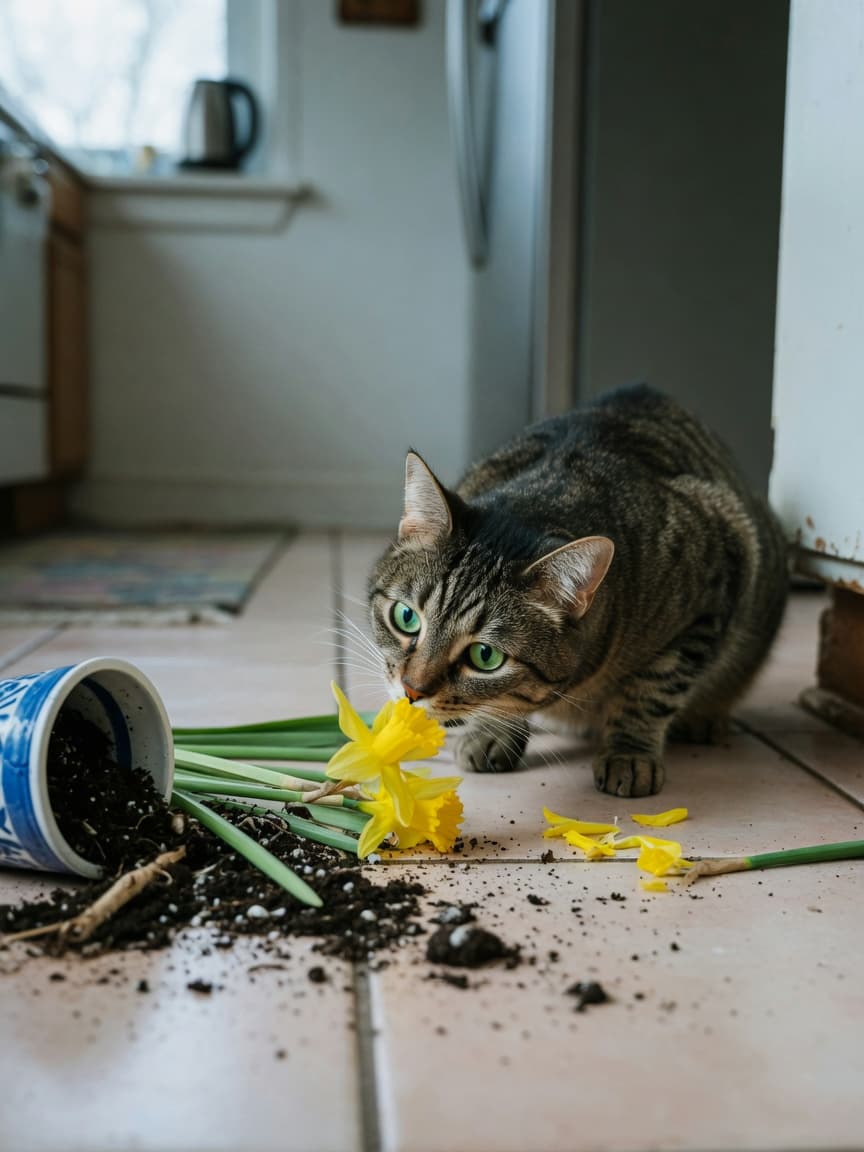
Are Daffodils Poisonous to Cats?
Spring brings a burst of colour to our gardens and homes, and daffodils are often among the first flowers to brighten up our spaces. However, if you're a cat owner, you may have noticed your feline friend showing curiosity towards these cheerful blooms. The truth is straightforward: yes, daffodils are toxic to cats, and understanding why is crucial for keeping your pet safe during the spring months and beyond.
Why Daffodils Are Toxic to Cats
Daffodils contain toxic compounds called alkaloids, particularly lycorine and narcissamine, which are most concentrated in the bulb but present throughout the entire plant. These alkaloids act as natural defence mechanisms for the plant, but they can cause serious gastrointestinal upset and other health issues when ingested by cats.
The toxicity levels vary depending on which part of the plant your cat has consumed. The bulb represents the highest concentration of toxins, followed by the stems and leaves. Even the water from a vase containing daffodils can contain trace amounts of these toxic compounds.
Signs of Daffodil Poisoning in Cats
If your cat has eaten any part of a daffodil, watch for these warning signs:
- Vomiting or retching
- Diarrhoea
- Abdominal pain or discomfort
- Excessive drooling
- Loss of appetite
- Lethargy or weakness
- Trembling or shaking
- In severe cases, irregular heartbeat or difficulty breathing
Symptoms typically appear within 1-6 hours of ingestion. If you notice any of these signs, contact your veterinary surgeon immediately, even if the symptoms seem mild.
What to Do If Your Cat Eats Daffodils
Quick action is important if you suspect your cat has consumed any part of a daffodil plant:
- Remove any remaining plant material from your cat's mouth
- Call your vet or pet poison helpline straight away
- Note the time of ingestion and the approximate amount consumed
- Keep a sample of the plant if possible to show your vet
- Monitor your cat closely for symptoms
- Do not induce vomiting unless specifically instructed by your vet
Your vet may recommend treatment such as supportive care, fluid therapy, or activated charcoal, depending on the severity of the poisoning and how soon treatment is given.
Keeping Your Home Safe
Prevention is always better than treatment when it comes to pet safety. Consider these practical steps:
- Keep daffodil bouquets in rooms where your cat cannot access them
- Place cut flowers on high shelves or in secured locations
- Never plant daffodil bulbs in areas where your cat spends time outdoors unsupervised
- Be cautious when visiting homes or gardens with daffodils during spring
- Dispose of fallen petals and stems promptly
- Choose cat-safe alternatives for spring flower arrangements instead
Cat-Safe Flower Alternatives
If you love bringing fresh flowers into your home, numerous options are safe for cats, including roses (remove thorns), sunflowers, orchids, and zinnias. Always verify that any plant is non-toxic before bringing it into your home.
Key Takeaways
Daffodils are definitely toxic to cats and should be kept well away from your feline companions. The bulb poses the greatest risk, but all parts of the plant contain harmful alkaloids. By recognising the signs of poisoning and taking preventative measures, you can ensure your cat stays safe whilst still enjoying a beautiful home and garden. When in doubt, always choose cat-safe decorations and consult your vet if you have concerns about any plant's safety.
Key takeaways
- All parts of the daffodil plant are toxic to cats, with bulbs containing the highest concentration of poisonous alkaloids
- Symptoms like vomiting, diarrhoea, abdominal pain, and lethargy typically appear within 1-6 hours of ingestion
- Store daffodils on high shelves away from cats, dispose of fallen petals promptly, and contact your vet immediately if ingestion occurs
- Safe spring flower alternatives include roses (thorns removed), sunflowers, orchids, and zinnias
Frequently asked questions
What happens if my cat eats a daffodil bulb?
Daffodil bulbs contain the highest concentration of toxic alkaloids and can cause severe gastrointestinal upset, abdominal pain, vomiting, and diarrhoea within 1-6 hours. Contact your vet immediately if your cat ingests any part of a daffodil, as prompt treatment with supportive care or activated charcoal may be needed.
Can cats get sick from daffodil water?
Yes, the water from a vase containing daffodils can contain trace amounts of toxic alkaloids. It's best to keep daffodil arrangements in rooms your cat cannot access to prevent any risk of poisoning.
How quickly should I call the vet if my cat eats daffodils?
You should contact your veterinary surgeon immediately, even if symptoms seem mild, as poisoning signs typically appear within 1-6 hours of ingestion. Quick action and professional guidance are crucial for your cat's safety.
Are there any cat-safe flowers I can keep at home instead?
Yes, several flowers are safe for cats, including roses (with thorns removed), sunflowers, orchids, and zinnias. Always verify that any plant is non-toxic before bringing it into your home to be certain it's safe for your feline companion.