ForPetsHealthcare
Dogs

Apple Cider Vinegar for Dogs and Cats: Fact vs Myth

By Julia WrenfieldUpdated August 4, 20262 min read
Evidence-based · Sources checked
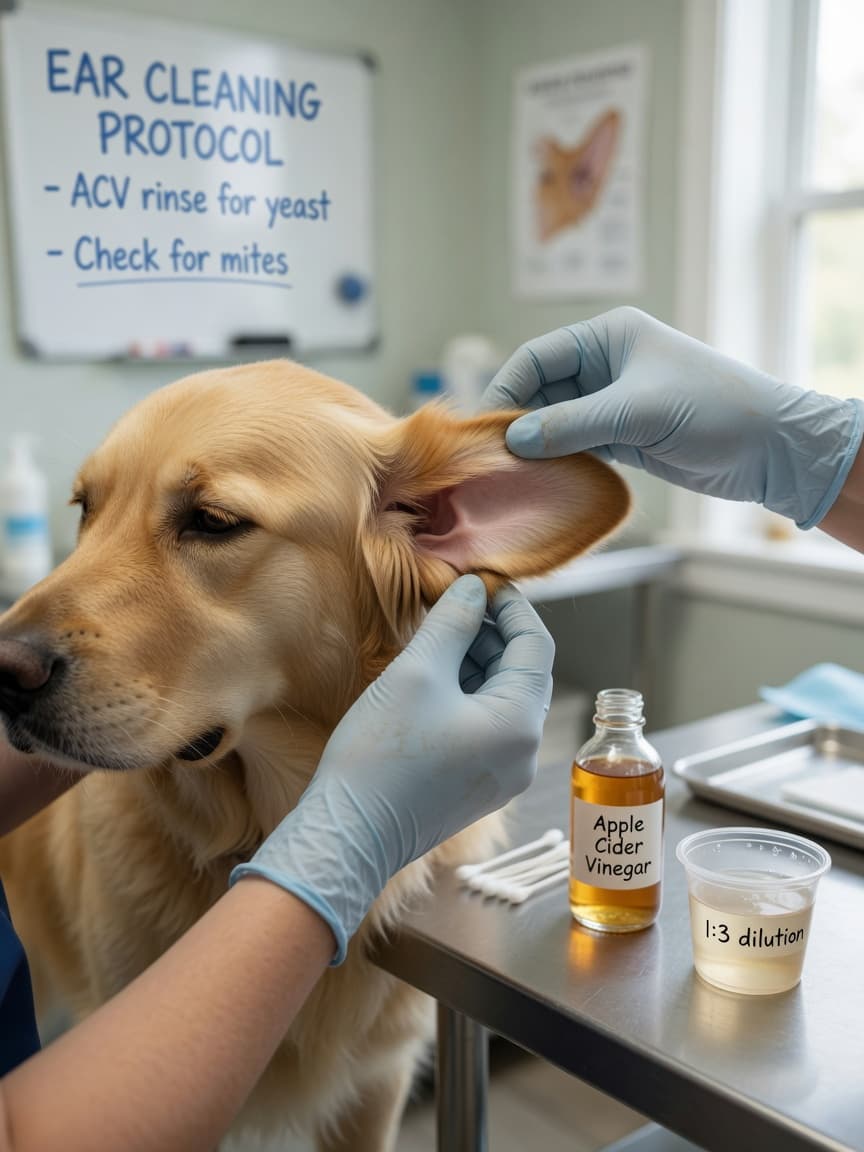
{"en": "Dog and cat together with bottle of apple cider vinegar, representing natural pet health remedies", "es": "Perro y gato juntos con botella de vinagre de manzana, representando remedios naturales para la salud de mascotas", "fr": "Chien et chat ensemble avec bouteille de vinaigre de cidre, repr\u00e9sentant les rem\u00e8des naturels pour la sant\u00e9 des animaux", "de": "Hund und Katze zusammen mit Flasche Apfelessig, die nat\u00fcrliche Haustier-Gesundheitsmittel darstellen", "nl": "Hond en kat samen met fles appelciderazijn, wat natuurlijke huisdiergezondheidsmiddelen voorstelt", "pt": "Cachorro e gato juntos com garrafa de vinagre de ma\u00e7\u00e3, representando rem\u00e9dios naturais para sa\u00fade de animais", "it": "Cane e gatto insieme a bottiglia di aceto di mele, che rappresentano rimedi naturali per la salute degli animali"}

Apple cider vinegar is one of the most widely recommended natural remedies for pets online. But does the evidence support the claims?

Common Claims

  • Repels fleas and ticks
  • Treats ear infections
  • Improves digestion
  • Acts as an antibiotic
  • Prevents UTIs

What the Evidence Actually Says

The scientific evidence for ACV in pets is extremely limited. Most claims are anecdotal. Studies on flea repellency show it does not effectively repel fleas. There is no evidence it treats ear infections or UTIs.

Potential Risks
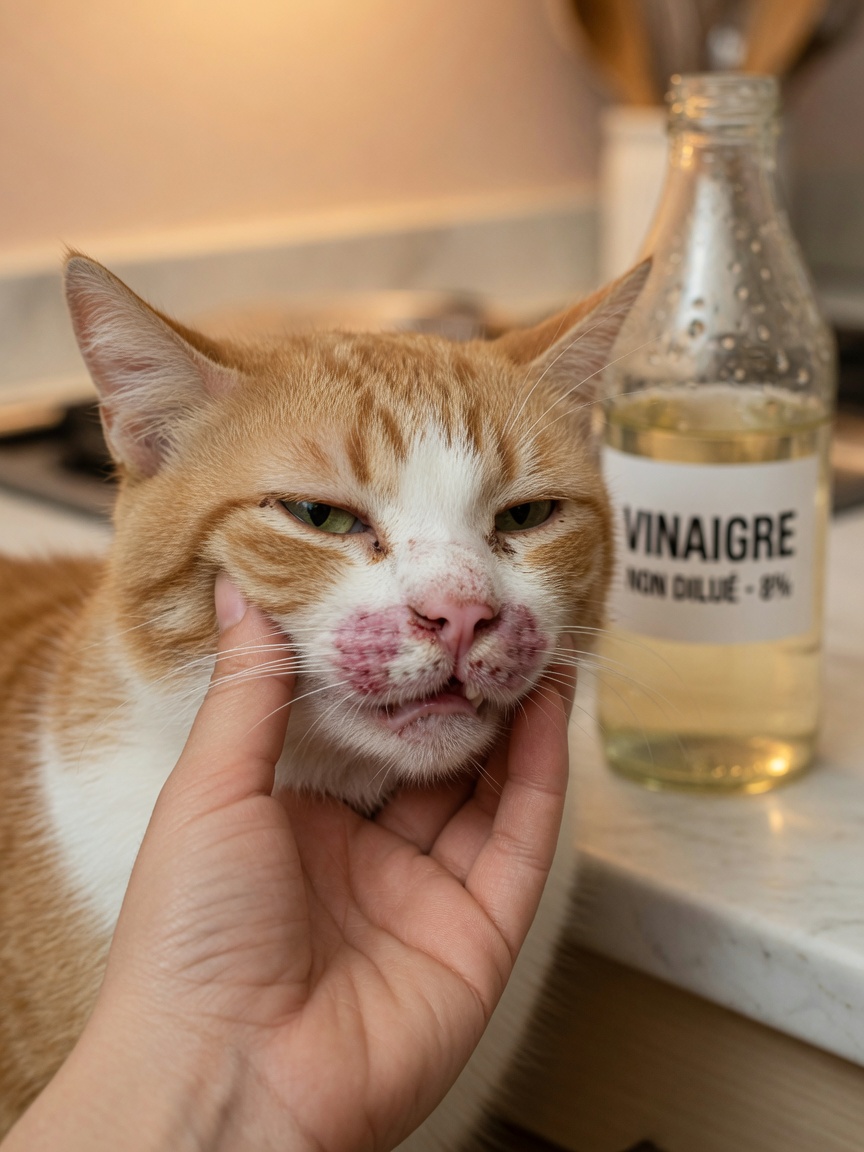
Close-up of a sensitive cat's face showing potential irritation from acidic substance exposure
  • High acidity can damage enamel and irritate mucous membranes
  • Application to broken skin is painful and can worsen conditions
  • In cats: should be used with extreme caution — cats are sensitive to acids
  • Never use undiluted in or near ears

When ACV Might Help

Diluted ACV (1:1 with water) applied to healthy ear flaps may have mild antimicrobial properties. This is the most evidence-adjacent use.

Conclusion

ACV is not harmful in very small diluted amounts, but the dramatic claims made online are unsupported by evidence. For actual health concerns, veterinary advice is always more reliable.

#apple cider vinegar pets myth#forpetshealthcare

Sources & further reading

This article is based on peer-reviewed veterinary research and reputable animal-health sources. Explore the underlying science in our Research Library.

Related articles

The 19 Best Animal Shelters in the Netherlands (2026)

the Netherlands's animal shelters, rescue associations and refuges save thousands of dogs, cats and other animals every year, almost always on tiny budgets and volunteer power. To build the most objective ranking possible, we analysed public Google reviews across more than 56 registered animal-prote…

Read more →

The 25 Best Animal Shelters in Italy (2026)

Italy's animal shelters, rescue associations and refuges save thousands of dogs, cats and other animals every year, almost always on tiny budgets and volunteer power. To build the most objective ranking possible, we analysed public Google reviews across more than 121 registered animal-protection org…

Read more →

The 48 Best Animal Shelters in Germany (2026)

Germany's animal shelters, rescue associations and refuges save thousands of dogs, cats and other animals every year, almost always on tiny budgets and volunteer power. To build the most objective ranking possible, we analysed public Google reviews across more than 152 registered animal-protection o…

Read more →

The 32 Best Animal Shelters in France (2026)

France's animal shelters, rescue associations and refuges save thousands of dogs, cats and other animals every year, almost always on tiny budgets and volunteer power. To build the most objective ranking possible, we analysed public Google reviews across more than 89 registered animal-protection org…

Read more →

The 8 Best Animal Shelters in Portugal (2026)

Portugal's animal shelters, rescue associations and municipal centros de recolha save thousands of dogs, cats and other animals every year, almost always on tiny budgets and volunteer power. To build the most objective ranking possible, we analysed public Google reviews across more than 86 registere…

Read more →

Sphynx Cat Skin care and hygiene: Causes, Signs & Care

Sphynx cats have little to no coat, which means the skin itself takes on jobs that fur normally does — insulation, oil dispersal, and barrier protection — leaving it prone to greasiness, blocked pores, fungal infections, and sunburn. The single most important thing to know is that a Sphynx's skin ne…

Read more →
Disclaimer:This article is for informational purposes only and does not constitute veterinary advice. Always consult a qualified veterinarian for your pet's health concerns.

Free newsletter

Pet health tips, straight to your inbox

Weekly science-backed advice for dog & cat owners. No spam, unsubscribe anytime.