
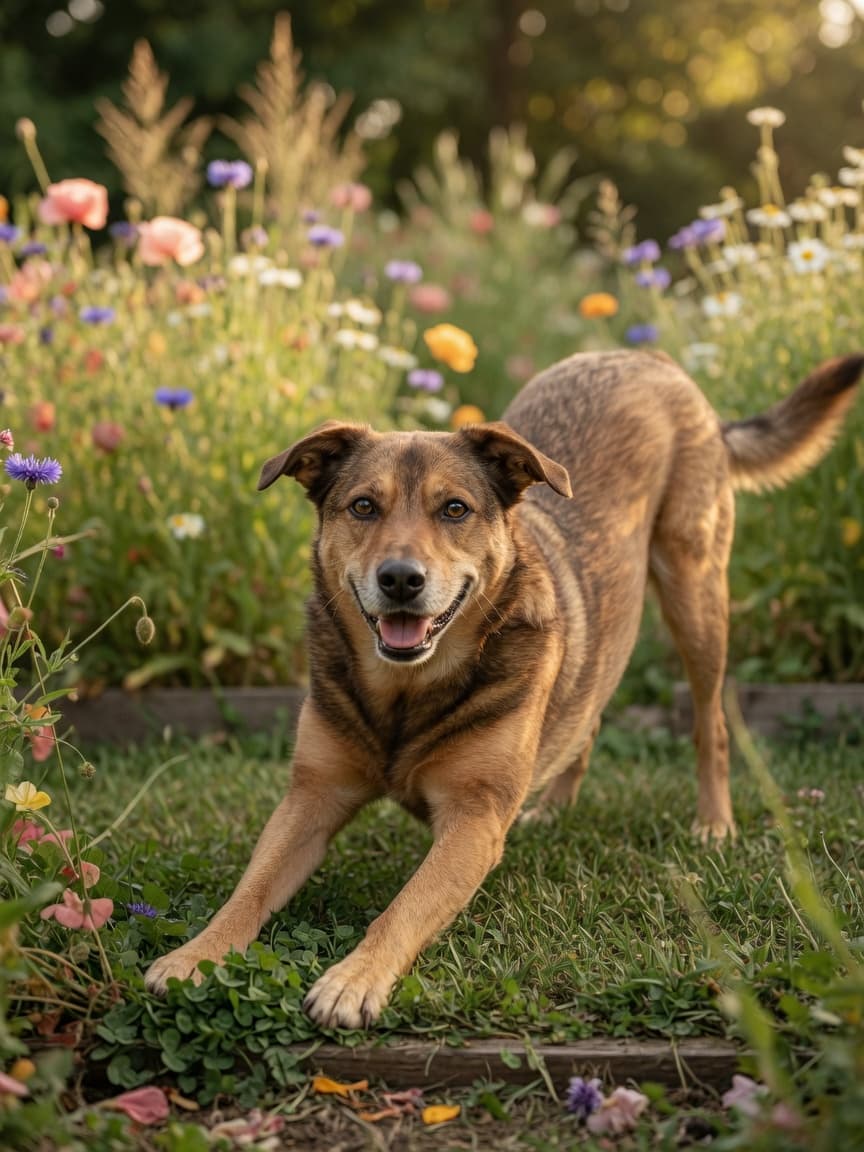
If you've ever come home to find your dog doing a play-bow or full-body stretch as you walk through the door, you're witnessing one of the most endearing canine behaviours. That greeting stretch isn't just your dog being flexible—it's actually a sophisticated form of communication that reveals their emotional state, physical wellbeing, and affection towards you. Understanding this behaviour helps you strengthen your bond with your pet and recognise when something might be amiss with their health.
The Anatomy Behind the Stretch
When dogs stretch, they're activating muscles that have been inactive during rest. This physiological response is remarkably similar to what humans experience after sitting for extended periods. Dogs spend a significant portion of their day sleeping—typically 12-16 hours for adult dogs—so stretching helps them:
- Increase blood flow to their muscles
- Activate their central nervous system
- Prepare their body for physical activity
- Release tension built up during sleep
The classic play-bow stretch, where the front legs extend whilst the rear end remains elevated, is particularly important for activating core muscles and ensuring full-body mobility.
Communication and Emotional Expression
Stretching during greetings serves as far more than just physical preparation. It's a genuine form of canine greeting etiquette. When your dog stretches upon seeing you, they're essentially saying, "I'm happy to see you and I'm feeling safe and relaxed enough to lower my guard." This behaviour signals:
- Trust and comfort: Your dog feels secure in your presence
- Excitement and anticipation: They're preparing for playtime or interaction
- Non-threatening intentions: Stretching demonstrates they're not in a defensive posture
- Affection: They've missed you and want to engage with you
Combined with other greeting signals like tail wagging, soft eye contact, and relaxed body posture, the stretch is part of your dog's emotional vocabulary.
Health Considerations and Warning Signs
Whilst stretching is typically normal behaviour, changes in stretching patterns can indicate underlying health issues. Pay attention if your dog:
- Stops stretching entirely—potentially signalling pain or stiffness
- Stretches excessively or obsessively—could indicate discomfort, anxiety, or neurological concerns
- Shows asymmetrical stretching—might suggest injury or lameness in one limb
- Vocalises whilst stretching—often indicates musculoskeletal pain
- Displays reluctance to stretch after previously doing so regularly—warrants veterinary attention
Senior dogs may stretch less frequently due to arthritis, whilst puppies often stretch more as they develop coordination and strength.
Breed and Age Variations
Different dogs express greeting stretches differently. Larger breeds might perform more dramatic full-body stretches, whilst small dogs may do subtle front-leg extensions. Puppies tend to stretch more enthusiastically as part of their play and exploration, whilst older dogs may demonstrate gentler, shorter stretches due to decreased flexibility and potential joint concerns.
Supporting Healthy Stretching in Your Dog
You can encourage healthy, natural stretching in your pet through:
- Regular exercise: Daily walks and play sessions promote natural stretching behaviour
- Adequate rest: Ensure your dog has comfortable sleeping areas to encourage restorative sleep cycles
- Proper nutrition: Maintain joint health with appropriate diet and supplements as recommended by your veterinary surgeon
- Environmental enrichment: Varied terrain and climbing opportunities encourage natural stretching movements
- Regular health checks: Annual veterinary examinations help identify potential mobility issues early
Key Takeaways
Your dog's greeting stretch is a beautiful combination of physical necessity and emotional expression. It demonstrates that your pet is healthy, happy, and comfortable in your presence. By recognising and appreciating this behaviour, whilst remaining alert to any changes, you're taking an active role in your dog's wellbeing. If you notice significant changes in your dog's stretching habits—whether increased, decreased, or altered in nature—consult your veterinary surgeon to rule out underlying health concerns. This simple gesture of stretching is your dog's way of saying they're genuinely pleased to see you.