
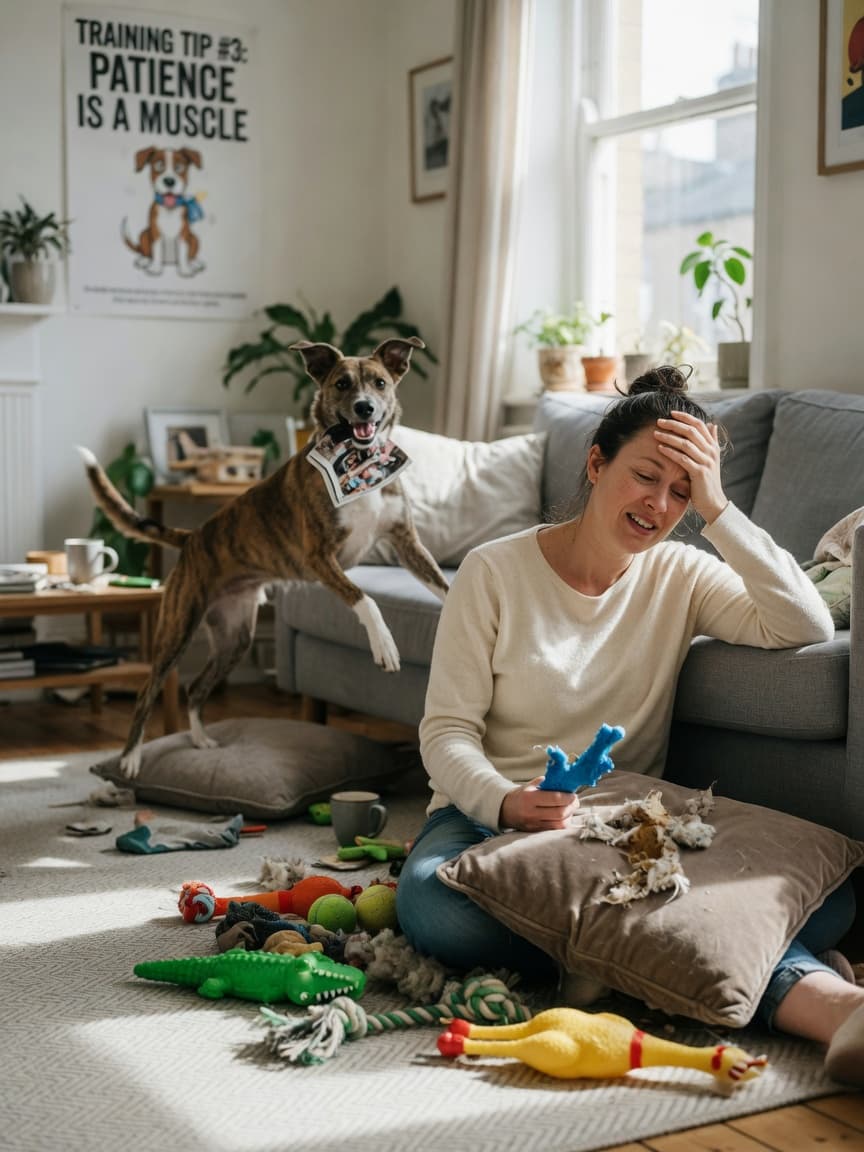
The Teenage Dog Nobody Warned You About
You survived the biting, the puddles on the floor, and the 3am wake-up calls. Your puppy is growing up — and then, somewhere around six months, everything seems to go sideways. Your previously improving pup is suddenly ignoring commands they knew perfectly well, chewing things they should know better than to touch, and testing every boundary you thought you had established. Welcome to adolescence.
The canine adolescent phase, which runs roughly from six to eighteen months depending on the breed, is widely recognised by vets and behaviourists as the single most challenging period of a dog's life — and the one most likely to result in an owner giving up and rehoming their pet. Understanding what is actually happening inside your dog during this window can make an enormous difference to how you handle it.
What Is Actually Happening in the Brain
Canine adolescence is driven primarily by hormonal change and significant neurological reorganisation. Research published in journals including Animal Behaviour has shown that dogs during this phase show measurable changes in how they respond to cues from their owners, particularly when under mild stress — mirroring findings in human adolescent neuroscience.
The prefrontal cortex equivalent in dogs — the region responsible for impulse control and decision-making — is still developing throughout this period. This is not stubbornness. It is a genuine neurological limitation. Your dog is not choosing to ignore you out of spite; their brain is literally not yet equipped to override instinct and distraction the way an adult dog's brain can.
At the same time, sex hormones — oestrogen, testosterone, and progesterone — are surging. These hormones influence everything from confidence levels and risk-taking behaviour to reactivity around other dogs and, in males, the urge to roam. Even dogs who have been neutered prior to this phase can display some of these behaviours due to adrenal androgens.
Why Training Seems to Fall Apart
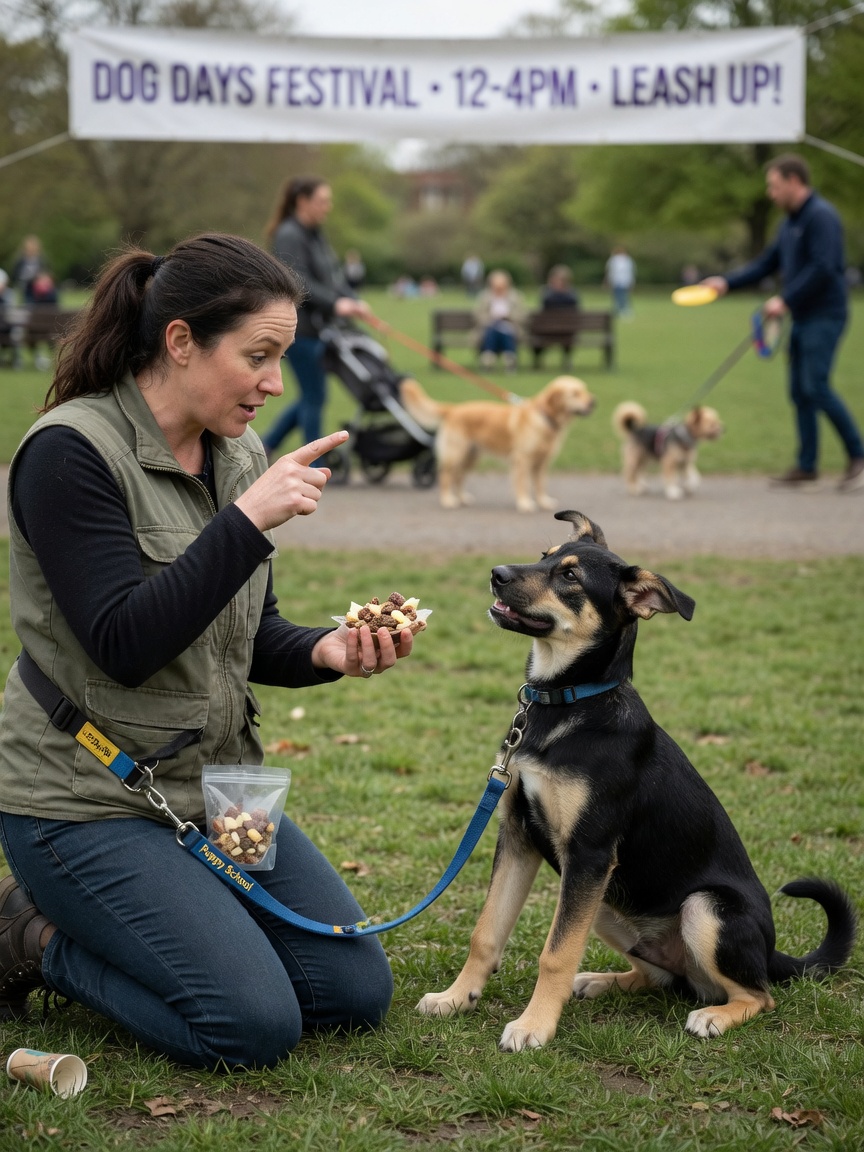
Many owners report that their adolescent dog has "forgotten" their training. This is largely accurate, but not in the way you might think. Behaviours that were learned in a calm, low-distraction environment during puppyhood have not been generalised — they have not been practised enough in varied, stimulating contexts to become robust. When a teenage dog hits a surge of confidence, curiosity, and hormonal drive, fragile early learning is easily overridden.
This is the time to go back to basics without frustration. Short training sessions — five to ten minutes, multiple times a day — performed in gradually more distracting environments will help reinforce what your dog already knows. Reward-based methods are particularly important at this stage; punitive approaches during a phase of neurological instability can create lasting anxiety and damage your relationship with the dog.
Physical Development and Its Consequences
Adolescence also brings rapid physical growth in many breeds. Large and giant breeds in particular are still laying down bone density and developing musculature well into this period. Over-exercise, particularly repetitive high-impact activity, can stress growth plates and contribute to joint problems later in life. This is especially relevant for breeds predisposed to hip or elbow dysplasia.
Exercise during adolescence should be appropriate for the individual dog. Long road runs or hours of ball-chasing are not advisable for large breed adolescents whose skeletons are still maturing. Varied, mentally stimulating activity — sniff walks, training games, appropriate play with compatible dogs — serves them far better than raw distance or duration.
Social Behaviour Changes
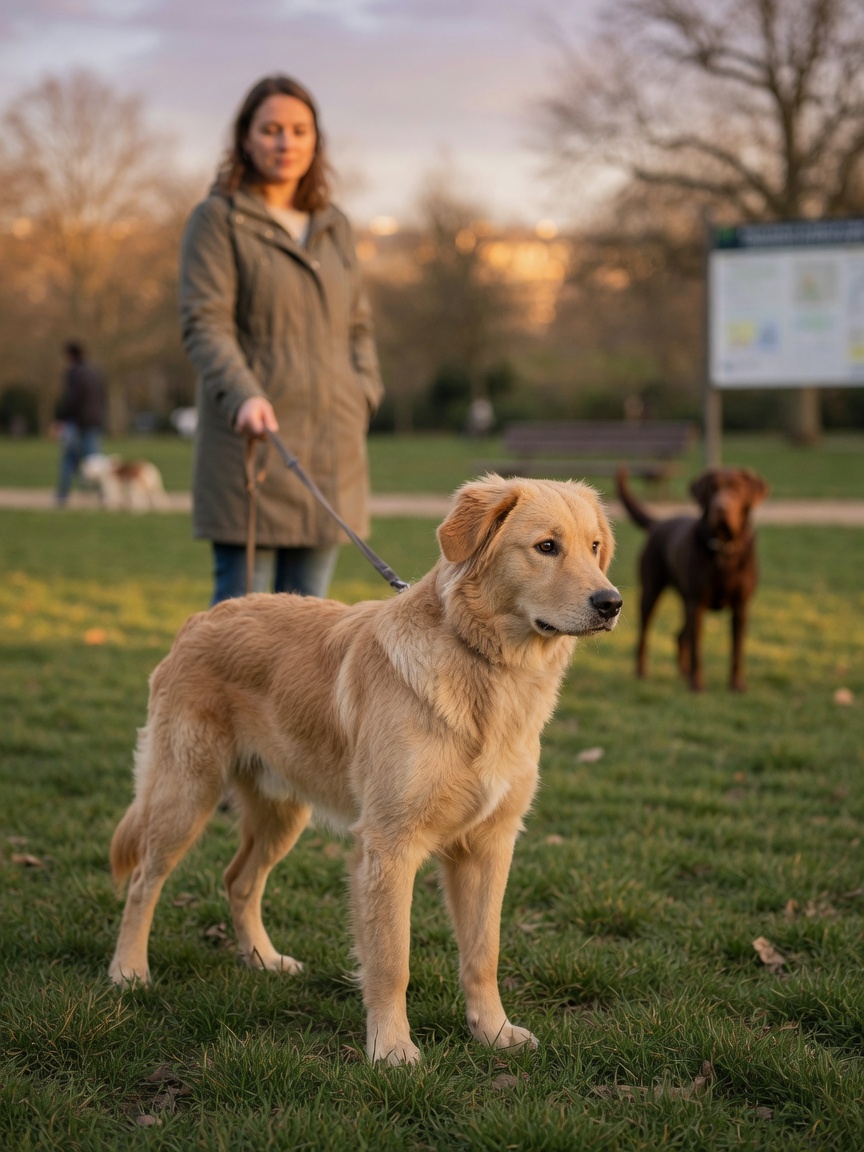
Many adolescent dogs who socialised beautifully as puppies suddenly become reactive, fearful, or aggressive around other dogs. This is not a training failure. Between approximately six and fourteen months, dogs go through a second fear period — a developmentally normal window in which novel stimuli, and sometimes previously neutral stimuli, trigger heightened stress responses.
This is not the time to force your dog into social situations to "get over it." Doing so risks creating negative associations that can persist into adulthood. Instead, expose your dog gradually to other dogs and people at a distance, keeping experiences positive and pressure low. Many dogs emerge from this phase with their sociability fully restored, provided they are not pushed beyond their threshold during it.
Separation Anxiety and Clinginess
The adolescent phase can also produce a paradoxical mix of independence and anxiety. Some dogs become intensely clingy and struggle with separation for the first time, even if they handled it well as younger puppies. Others push independence to extremes and develop selective hearing on walks.
Consistency in routine, calm departures and arrivals, and ensuring your dog has adequate mental and physical stimulation will all help manage both ends of this spectrum. Dogs who are understimulated are significantly more likely to develop destructive or anxious behaviours during this phase.
What to Expect on the Other Side
The good news is that adolescence ends. Most dogs settle noticeably between twelve and twenty-four months, with smaller breeds often stabilising earlier than larger ones. Giant breeds can remain somewhat adolescent in behaviour until they are two to three years old.
Owners who maintain consistent, patient, reward-based training through this phase overwhelmingly report that their dog emerges as a calmer, more reliable companion than they ever expected during the chaos of those teenage months. The relationship forged during this difficult period — one built on trust rather than conflict — tends to be particularly strong.
- Keep training sessions short and positive throughout the adolescent phase
- Reduce high-impact exercise for large breeds whose bones are still developing
- Do not force social interactions during the second fear period
- Maintain consistent routines to reduce anxiety-based behaviours
- Seek support from a qualified behaviourist if reactivity or anxiety escalates
Adolescence is not a character flaw. It is a phase — and a temporary one. The dog waiting for you on the other side is worth every chewed shoe and every puzzling recall failure along the way.