

What Neutering Actually Does to Your Dog
Neutering, or castration, is the surgical removal of a male dog's testicles. It is one of the most common procedures performed in veterinary practice, yet many owners still have questions about whether it is the right choice, when to do it, and what the recovery looks like. Understanding the physiology behind the procedure helps make that decision a clearer one.
When a dog is neutered, testosterone production drops dramatically. This single hormonal shift is responsible for most of the behavioural and health changes owners notice afterwards. The procedure itself is carried out under general anaesthesia and typically takes less than 30 minutes. Recovery is usually straightforward, with most dogs back to normal activity within a week or two.
The Case for Neutering
The benefits of neutering are well documented across veterinary literature, and they extend well beyond population control.
- Eliminates the risk of testicular cancer, which accounts for up to 7% of all tumours in intact male dogs
- Significantly reduces the risk of benign prostatic hyperplasia, a condition affecting the majority of intact males over the age of five
- Lowers the incidence of perianal adenomas, hormone-driven tumours around the rectum
- Reduces roaming behaviour driven by the search for mates, which in turn lowers the risk of road accidents and dog fights
- Can reduce urine marking and mounting behaviour, particularly when done before these habits become well established
From a public health standpoint, neutering also plays a significant role in reducing the number of unwanted litters that end up in rescue shelters.
The Risks and Honest Drawbacks
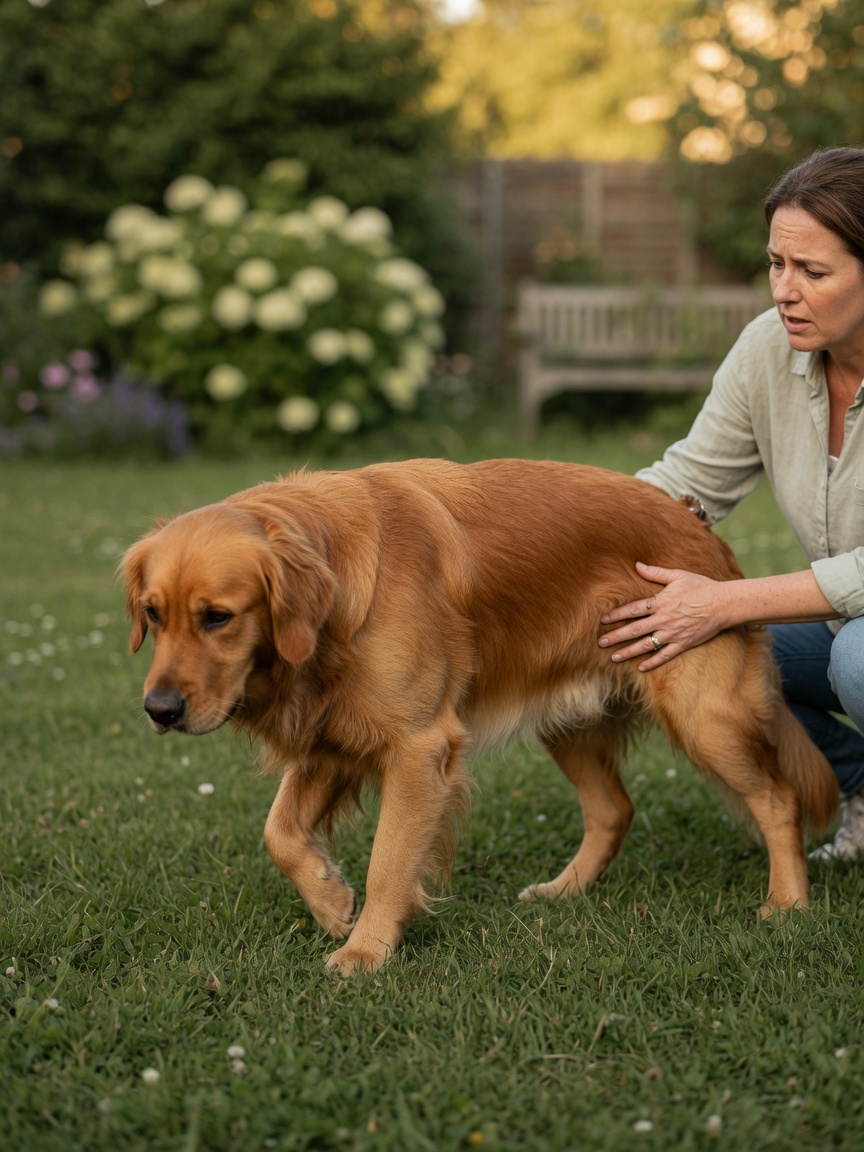
Responsible veterinary practice requires acknowledging that neutering is not without trade-offs. Emerging research has added nuance to a conversation that was once considered settled.
Several large-scale studies, particularly those involving Golden Retrievers and German Shepherds, have identified associations between early neutering and an increased risk of certain orthopaedic conditions, including hip dysplasia and cranial cruciate ligament rupture. The proposed mechanism is that sex hormones play a role in regulating bone plate closure. When those hormones are removed too early, growth plate development may be affected.
There is also an association with some forms of cancer. Research published in journals such as PLOS ONE found that early neutering in certain breeds was linked to higher rates of lymphoma and mast cell tumours, though the picture is complex and breed-dependent.
Neutered dogs may also be more prone to weight gain, as their resting metabolic rate can decrease post-surgery. This is manageable with appropriate dietary adjustments but should not be ignored.
The Age Question: When Is the Right Time?
For decades, the standard recommendation was to neuter at around six months of age. That guidance is now being revisited, particularly for large and giant breeds.
Current evidence suggests a more individualised approach is warranted. For small breeds, neutering between six and twelve months remains broadly appropriate, as the orthopaedic risk associated with early hormone removal is lower in dogs whose skeletal development is less prolonged.
For medium to large breeds, waiting until physical maturity — typically between 12 and 24 months — may offer a better balance of benefits and risks. Allowing the dog to reach skeletal maturity before removing testosterone can reduce the likelihood of joint problems later in life.
It is also worth noting that some conditions, such as cryptorchidism or testicular tumours already present, may necessitate earlier or more urgent intervention regardless of age.
Behavioural Changes: What to Expect and What to Manage

Neutering is often marketed as a cure-all for behavioural issues, and that expectation can lead to disappointment. The reality is more selective.
Behaviours that are primarily driven by testosterone — roaming, urine marking, and mounting — tend to improve significantly in dogs neutered before these habits become entrenched. Studies suggest that 50 to 60 percent of dogs show some reduction in these behaviours after neutering.
However, behaviours rooted in anxiety, fear, or learned habits are unlikely to change. Aggression that stems from poor socialisation or past trauma will not be resolved by surgery. In some cases, removing testosterone can actually exacerbate anxiety-related behaviours, as the hormone has mild anxiolytic properties in some individuals.
A good working relationship with a veterinary behaviourist before and after neutering can make a considerable difference in managing expectations and outcomes.
Having the Conversation with Your Vet
There is no single correct answer for every dog. The decision should take into account the individual animal's breed, size, health history, lifestyle, and the owner's ability to manage an intact male responsibly. An intact male living in a household with intact females, for example, presents a very different set of considerations to one living in a single-pet home.
Ask your vet about the specific risk profile for your dog's breed. Some practices now offer pre-surgical consultations that look at the broader picture before recommending a timeline. This kind of individualised discussion is a sign of good, evidence-based care.
Neutering remains one of the most beneficial procedures available for the majority of male dogs, but the timing matters more than was once appreciated. Getting that timing right, in consultation with a veterinarian who stays current with the research, gives your dog the best chance of a long and healthy life.