

Il Carlino è un cane da compagnia compatto e affettuoso, ideale per i proprietari che cercano un animale domestico devoto e incentrato sulla famiglia, piuttosto che uno sportivo o orientato all'attività all'aperto. Il loro fascino risiede in un temperamento comico e dignitoso, oltre a un forte desiderio di stare vicino alla propria famiglia in ogni momento. La cosa più importante che i proprietari in erba dovrebbero comprendere è che il muso piatto del Carlino comporta una serie ben documentata di sfide respiratorie e di salute che richiedono una gestione consapevole e informata per tutta la vita del cane.
Panoramica della Razza
- Taglia: Piccolo, costruzione robusta; tipicamente intorno ai 30-36 cm al garrese e 6-8 kg di peso
- Aspettativa di vita: Comunemente riportata intorno ai 12-15 anni, anche se i problemi di salute brachicefali possono influenzare la longevità
- Mantello: Corto, liscio, doppio mantello; fulvo o nero sono i colori riconosciuti
- Origine: Razza antica originaria della Cina, successivamente resa popolare in Europa come cane da compagnia per le famiglie reali e nobili
Temperamento e Idoneità Familiare

I Carlini sono cani socievoli e di buon umore che generalmente prosperano in compagnia umana. Tendono a formare legami stretti con tutti i membri della famiglia piuttosto che con una sola persona, e sono spesso descritti come adatti a famiglie con bambini, altri cani e persino gatti, a condizione che le presentazioni avvengano sensatamente. La loro natura giocosa ma tranquilla li rende popolari tra i proprietari per la prima volta, i pensionati e le famiglie.
Detto questo, i Carlini non gradiscono di essere lasciati soli per lunghi periodi e possono sviluppare ansia o diventare vocali se isolati regolarmente. Sono intelligenti ma possono essere testardi, quindi l'addestramento coerente e basato su ricompense funziona meglio. Le loro espressioni comiche e il comportamento da pagliacci li rendono cari alla maggior parte delle persone, ma questo non dovrebbe oscurare l'impegno genuino nell'assistenza che la razza richiede, in particolare nel monitoraggio della salute.
Problemi di Salute nei Carlini
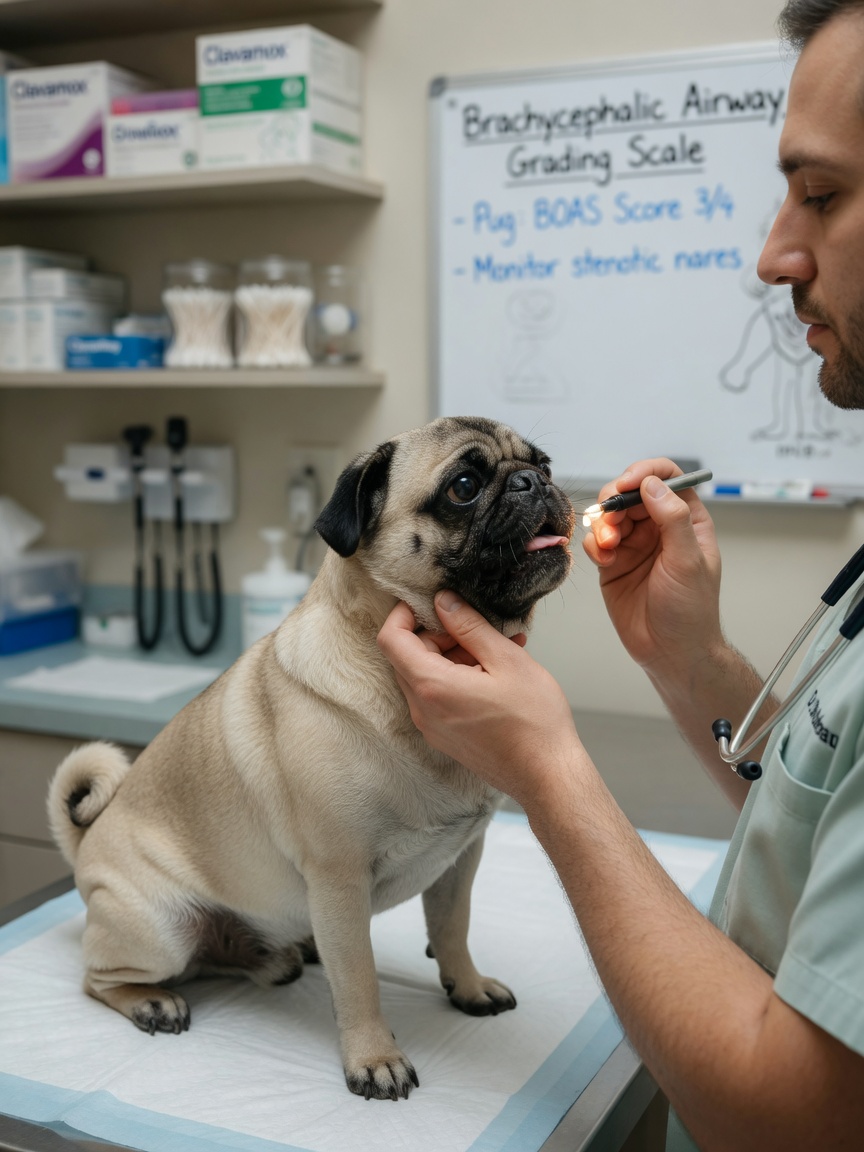
Come razza brachicefala (dal muso piatto), i Carlini presentano una serie di predisposizioni ben riconosciute. La proprietà responsabile significa comprendere queste condizioni piuttosto che esserne allarmati, e lavorare in modo proattivo con un veterinario per gestire il rischio.
Sindrome Ostruttiva delle Vie Aeree Brachicefale (BOAS)
La BOAS si riferisce alla combinazione di caratteristiche anatomiche nelle razze dal muso piatto — narici ristrette, un palato molle allungato e una trachea ristretta — che possono limitare il flusso d'aria normale. I cani colpiti spesso russano, soffiano e hanno difficoltà maggiore al caldo o durante l'esercizio.
Segni precoci: respirazione rumorosa a riposo, scarsa tolleranza all'esercizio, conati di vomito o rigurgito, e aumento dello sforzo respiratorio in condizioni di caldo.
Cosa possono fare i proprietari: evitare il surriscaldamento e l'esercizio faticoso in condizioni di caldo, mantenere un peso corporeo ideale, e discutere una valutazione delle vie respiratorie con un veterinario; alcuni cani traggono beneficio da un intervento chirurgico correttivo per allargare le narici o accorciare il palato molle.
Problemi Oculari (Ulcere Corneali e Prolasso Oculare)
Le orbite oculari prominenti e poco profonde del Carlino significano che gli occhi sono più esposti e vulnerabili a lesioni, secchezza e ulcerazione. In rari ma gravi casi, il bulbo oculare può dislocarsi parzialmente dall'orbita (prolasso oculare), il che è un'emergenza veterinaria.
Segni precoci: strizzare gli occhi, lacrimazione eccessiva, arrossamento, annebbiamento, o grattarsi gli occhi.
Cosa possono fare i proprietari: mantenere l'area oculare pulita, evitare giochi rudi che potrebbero causare traumi facciali, e cercare attenzione veterinaria prontamente per qualsiasi cambio oculare piuttosto che aspettare di vedere se si risolvono da soli.
Dermatite da Pieghe della Pelle
Le caratteristiche rughe sul muso e sul corpo di un Carlino possono trattenere umidità, detriti e batteri, portando a irritazione e infezione se non pulite regolarmente.
Segni precoci: arrossamento, odore, secrezione, o disagio quando le pieghe vengono toccate.
Cosa possono fare i proprietari: pulire e asciugare delicatamente le pieghe della pelle regolarmente come parte della routine di toelettatura. I Carlini possono anche sperimentare sensibilità cutanea più ampie, quindi coloro che notano prurito ricorrente o problemi di pelle più ampi oltre le pieghe potrebbero trovare utile leggere questa guida alle allergie cutanee nei cani.
Displasia dell'Anca e Problemi Articolari
Anche se più comunemente associata alle razze più grandi, la displasia dell'anca e altre irregolarità articolari sono riportate anche nei Carlini. Questa è una condizione dello sviluppo in cui l'articolazione dell'anca non si forma o non si adatta correttamente, il che può portare a disagio e, nel tempo, artrite.
Segni precoci: rigidità dopo il riposo, riluttanza a saltare o salire le scale, o un'andatura alterata.
Cosa possono fare i proprietari: mantenere un peso corporeo sano per ridurre il carico articolare, fornire esercizio moderato piuttosto che ad alto impatto, e discutere lo screening della salute articolare con un veterinario. I proprietari di Carlini più anziani potrebbero anche trovare utile questa risorsa sulla gestione dell'artrite nei cani per riconoscere e gestire il disagio articolare con l'avanzare dell'età del cane.
Encefalite del Carlino (PDE)
Questa è una rara ma seria condizione infiammatoria che colpisce il cervello, vista quasi esclusivamente nei Carlini, pensata avere una base mediata da immunità. È una preoccupazione riconosciuta, anche se rara, specifica della razza.
Segni precoci: convulsioni, disorientamento, comportamento circolare, o cambiamenti comportamentali.
Cosa possono fare i proprietari: cercare attenzione veterinaria immediata se compaiono sintomi neurologici; non esiste una misura preventiva conosciuta, ma la diagnosi precoce consente una gestione di supporto.
Problemi Spinali e dei Dischi, Incluse Emivertèbre
I Carlini, insieme ad altre razze dalla coda a vite, hanno un'occorrenza più alta riportata di emivertèbre — vertebre spinali malformate — che occasionalmente possono contribuire alla compressione del midollo spinale. La malattia del disco intervertebrale (IVDD) è vista anche nella razza.
Segni precoci: riluttanza a saltare, movimento dei arti posteriori traballante, o dolore apparente alla schiena.
Cosa possono fare i proprietari: evitare di incoraggiare i salti da altezze, utilizzare rampe per l'accesso ai mobili se necessario, e consultare un veterinario prontamente se si notano cambiamenti nella mobilità.
Obesità
I Carlini hanno un forte appetito e una tendenza naturale a guadagnare peso facilmente. L'obesità non solo aggrava le sfide respiratorie dovute alla brachicefalia, ma aumenta anche il rischio di diabete, malattie articolari e altri problemi di salute.
Segni precoci: difficoltà a sentire le costole sotto il mantello, perdita di una vita visibile, o respirazione affannosa aumentata anche durante attività leggere.
Cosa possono fare i proprietari: misurare le porzioni di cibo attentamente, utilizzare crocchette di qualità con bilanciamento nutrizionale appropriato (una buona alimentazione per cani è essenziale), evitare gli avanzi da tavola, e fornire esercizio regolare. Discussioni regolari con un veterinario su nutrizione e gestione del peso sono preziose nella prevenzione dell'obesità e dei problemi secondari.
Nutrizione e Integratori
Una dieta ben bilanciata è fondamentale per la salute generale del Carlino. Molti proprietari scelgono crocchette di qualità formulate specificamente per razze piccole, che spesso contengono proporzioni ottimali di proteine, grassi e fibre. Alcuni proprietari integrano anche con integratori per articolazioni o per la salute della pelle, sebbene qualsiasi aggiunta dovrebbe essere discussa con il veterinario prima dell'uso.
Marchi come Zooplus e HolistaPet offrono una gamma di prodotti alimentari e integratori per cani di piccola taglia. Gli integratori di qualità, come quelli per le articolazioni o la pelle, possono supportare il benessere generale quando somministrati sotto consiglio veterinario.
Consigli Pratici per la Proprietà di un Carlino
- Visite veterinarie regolari: Pianificare visite annuali (o più frequenti negli anziani) per monitorare la salute respiratoria, oculare e articolare.
- Monitoraggio del peso: Mantenere il Carlino a un peso sano è uno dei fattori più importanti nel ridurre il disagio e le complicazioni di salute.
- Esercizio moderato: Preferire brevi passeggiate e gioco indoor durante il caldo, piuttosto che esercizio prolungato in condizioni calde.
- Igiene cutanea: Pulire regolarmente le pieghe della pelle e controllare la pelle per segni di irritazione o infezione.
- Protezione dagli occhi: Evitare situazioni che potrebbero causare lesioni facciali e osservare attentamente per qualsiasi segno di disagio oculare.
- Ambienti climatizzati: Fornire aria fresca e ombra durante i mesi caldi, e considerare l'uso di ventilatori o climatizzazione per supportare la respirazione.
Conclusione
Il Carlino è una razza affascinante e affettuosa che, se gestita con consapevolezza e cura, può vivere una vita felice e confortevole. La chiave è comprendere fin dall'inizio che le caratteristiche fisiche che rendono il Carlino così adorabile — il muso piatto, le rughe, la taglia compatta — portano anche con sé specifiche sfide di salute che richiedono impegno da parte del proprietario.
Una proprietà responsabile comporta scelta consapevole di allevatori (preferibilmente quelli che testano la salute dei genitori), cure veterinarie proattive, gestione attenta del peso e dell'esercizio, e una disponibilità a riconoscere e gestire i problemi di salute man mano che emergono. Con questi impegni in atto, un Carlino può essere un compagno leale, affettuoso e tremendamente divertente per molti anni a venire.
Questo articolo è stato redatto come guida informativa. Consultare sempre un veterinario per consigli specifici sulla salute, nutrizione o comportamento del tuo animale domestico. Per ulteriori risorse su salute e benessere degli animali domestici, visita Candid Tails o consulta il tuo veterinario locale di fiducia.