
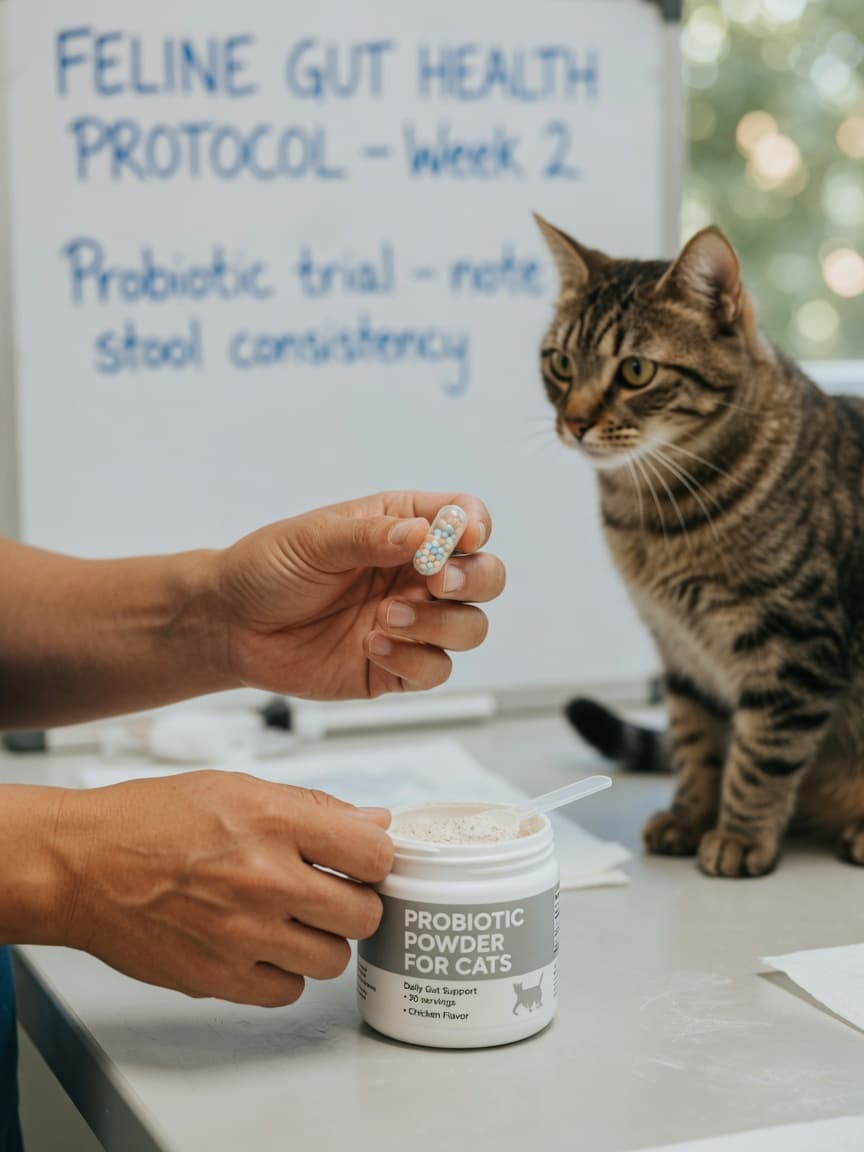
¿Son diferentes los probióticos para gatos?
Los probióticos se han convertido en una recomendación habitual para los perros, y su uso en gatos va en aumento. Pero hay una distinción importante que el marketing suele pasar por alto: el microbioma intestinal felino es genuinamente distinto del de los perros o las personas, y responde de forma diferente a la suplementación con probióticos.
Los gatos son carnívoros estrictos. Su tracto digestivo es más corto, su tiempo de tránsito intestinal es más rápido y su entorno intestinal es más ácido que el de omnívoros como los perros o las personas. Esto significa que muchas cepas probióticas estudiadas y comercializadas para humanos o perros pueden no sobrevivir lo suficiente en el intestino felino como para colonizarlo o ejercer algún efecto significativo. La especificidad de especie importa más en los gatos que en casi cualquier otro animal doméstico.
El microbioma intestinal felino: lo que sabemos
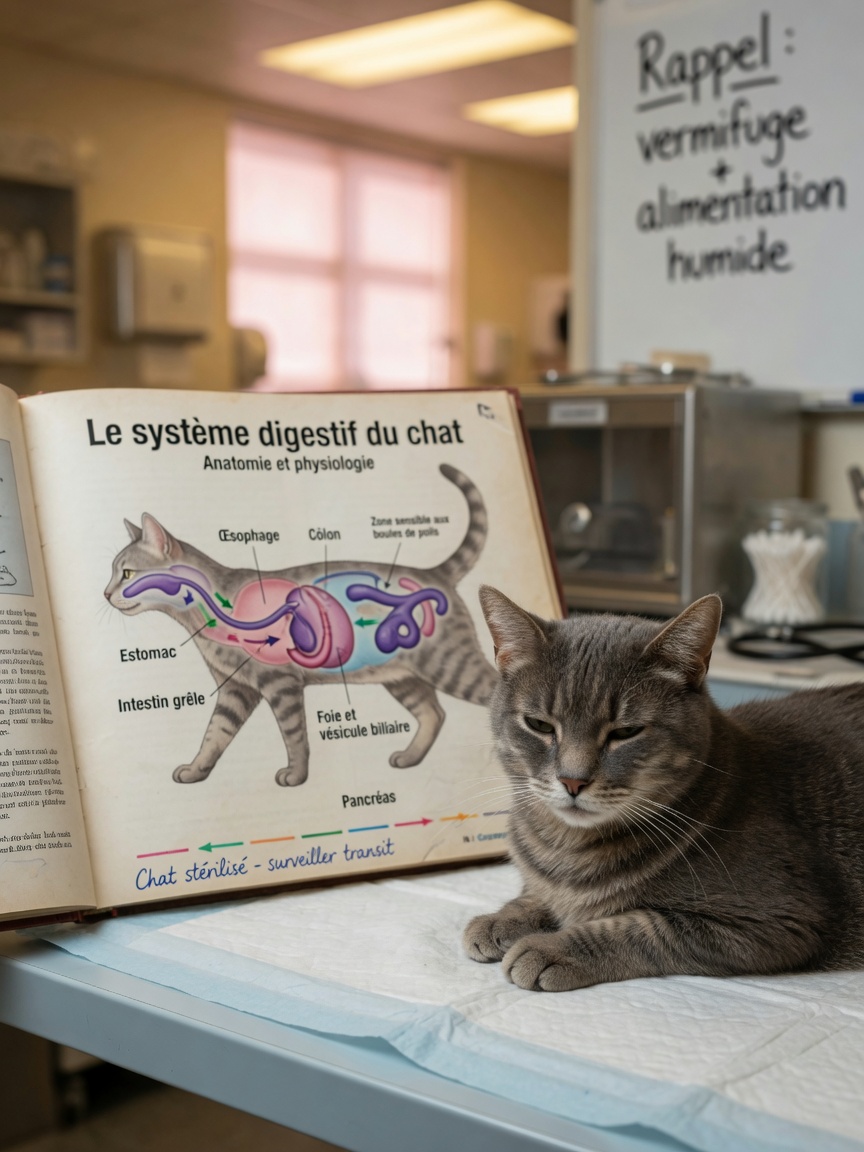
La investigación sobre el microbioma intestinal felino se ha acelerado notablemente en la última década. Ahora sabemos que los gatos albergan una comunidad bacteriana distinta, dominada por géneros como Bacteroides, Fusobacterium, Clostridium y Bifidobacterium, con una composición que varía según la dieta, la edad, el estrés y el estado de salud.
Las alteraciones de esta comunidad microbiana, conocidas como disbiosis, se han relacionado con diversas afecciones en los gatos, entre ellas la enteropatía crónica (enfermedad digestiva persistente), la enfermedad inflamatoria intestinal (EII) y la disfunción inmunitaria. También hay cada vez más pruebas de que el eje intestino-cerebro en los gatos, la red de comunicación entre las bacterias intestinales y el sistema nervioso, desempeña un papel en los síntomas digestivos relacionados con el estrés.
Esto crea una justificación plausible para el uso de probióticos. Restaurar o favorecer un equilibrio microbiano saludable podría, en teoría, beneficiar a los gatos que sufren estas alteraciones. La cuestión es qué cepas, en qué cantidades y en qué situaciones clínicas.
La cepa más estudiada en gatos: Enterococcus faecium SF68
De todas las cepas probióticas estudiadas en gatos, Enterococcus faecium SF68 es la que cuenta con la base de evidencia más sólida. Varios ensayos clínicos han examinado su uso en gatos, incluidos estudios sobre la diarrea asociada a antibióticos, los trastornos digestivos inducidos por el estrés y la recuperación posquirúrgica. Los resultados han sido en general positivos, con reducciones en la duración y la gravedad de la diarrea en los gatos tratados frente a los controles.
También se han estudiado especies de Lactobacillus en gatos, y algunas resultan prometedoras para el apoyo de la barrera intestinal y la modulación inmunitaria. Sin embargo, la evidencia es menos consistente y la selección de la cepa sigue siendo fundamental: no todas las cepas de Lactobacillus se comportan igual, y las que son eficaces en humanos pueden ser inertes o de efecto muy breve en el intestino felino.
La Asociación Mundial de Veterinarios de Pequeños Animales (WSAVA) ha señalado que la base de evidencia sobre los probióticos en animales de compañía está creciendo, pero sigue siendo limitada, y que la calidad de los productos y la especificidad de las cepas continúan siendo preocupaciones importantes. Recomienda elegir productos con datos clínicos publicados y una identificación clara de la cepa, en lugar de mezclas probióticas genéricas.
Evita los probióticos humanos de dosis alta en gatos
Este es un punto que merece énfasis. El mercado de probióticos para humanos se ha expandido enormemente, y existen ampliamente disponibles cápsulas de dosis alta que contienen miles de millones de unidades formadoras de colonias (UFC) de cepas de Lactobacillus y Bifidobacterium. No son adecuadas para los gatos.
Las cepas seleccionadas para los productos humanos se eligen por su supervivencia en el entorno intestinal humano, que es considerablemente menos ácido que el de los gatos. Administrar dosis altas de probióticos formulados para personas a los gatos supone el riesgo de introducir un gran número de cepas bacterianas que pueden no sobrevivir, no colonizar ni comportarse de forma predecible en el tracto intestinal felino. En algunos casos, especialmente en gatos inmunodeprimidos, existe un riesgo teórico de infección oportunista, aunque se considera poco frecuente.
Los productos probióticos específicos para gatos, o aquellos formulados y probados específicamente en gatos, son siempre la opción preferible. Pide a tu veterinario que te recomiende un producto en lugar de elegir algo diseñado para otra especie.
¿Cuándo puede ayudar un probiótico a tu gato?
La evidencia es más clara en unas pocas situaciones concretas:
- Durante y después del tratamiento con antibióticos: los antibióticos alteran significativamente el microbioma intestinal. Administrar un probiótico durante un ciclo de antibióticos (en un momento distinto del día para evitar que el antibiótico mate a las bacterias probióticas) y durante dos a cuatro semanas después puede ayudar a restaurar el equilibrio microbiano y reducir las heces blandas asociadas a los antibióticos.
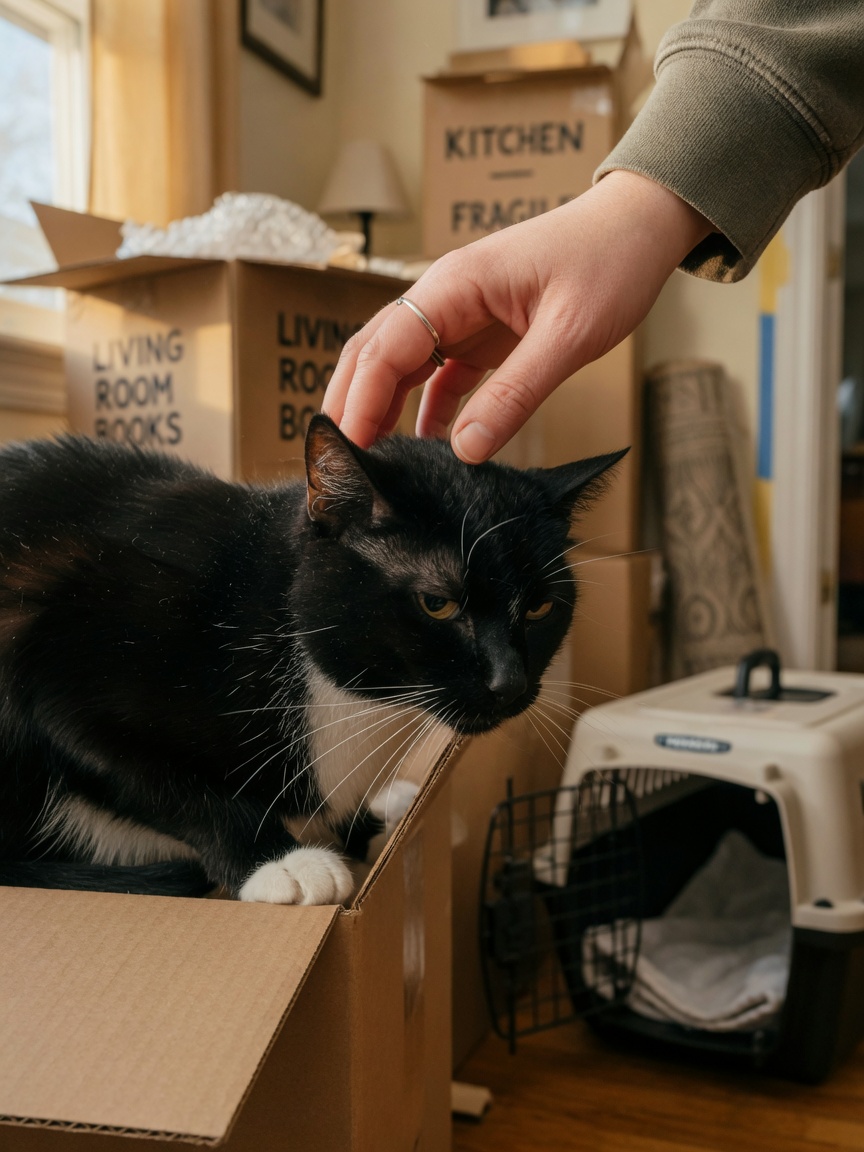
- Trastornos digestivos relacionados con el estrés: los gatos son muy sensibles a los cambios ambientales, y la diarrea inducida por el estrés es frecuente. Las mudanzas, la llegada de nuevas mascotas, los cambios de rutina o las visitas al veterinario pueden desencadenar síntomas digestivos. El uso de probióticos a corto plazo durante periodos de mucho estrés puede ayudar a estabilizar la función intestinal.
- Transiciones dietéticas: cambiar de alimento de forma brusca suele provocar molestias digestivas en los gatos. Los probióticos pueden facilitar la transición al favorecer la adaptación microbiana a una nueva fuente de alimento.
- Enteropatía crónica y EII: algunos gatos con enfermedad digestiva crónica pueden beneficiarse de los probióticos como parte de un plan de manejo más amplio. Sin embargo, esto debe estar siempre dirigido por un veterinario, ya que las afecciones crónicas requieren un diagnóstico y un tratamiento adecuados, y no un manejo basado en suplementos.
- Apoyo en casos de VIF/VLFe: los gatos con afecciones que comprometen el sistema inmunitario pueden sufrir disbiosis intestinal con más frecuencia. Los probióticos pueden aportar un beneficio de apoyo, pero la evidencia es limitada y la supervisión veterinaria es esencial, sobre todo dado el estado de inmunodepresión de estos animales.
Señales de que la flora intestinal de tu gato puede estar alterada
No hace falta una prueba de laboratorio para reconocer los signos de disbiosis intestinal en los gatos. Los indicadores más habituales incluyen heces blandas persistentes o diarrea, aumento de las flatulencias, sangre o moco en las heces, disminución del apetito, vómitos intermitentes y molestias abdominales visibles, como encorvarse o rechazar que le toquen la zona de la barriga. Estos signos justifican una valoración veterinaria en lugar de la automedicación con un probiótico, ya que pueden indicar afecciones que requieren un diagnóstico específico.
Formatos de los productos probióticos para gatos
Los probióticos para gatos se presentan en varios formatos, entre ellos polvos que se pueden espolvorear sobre la comida, cápsulas que se pueden abrir y mezclar, premios masticables y formulaciones líquidas. Los polvos mezclados con comida húmeda suelen funcionar bien en gatos que se resistirían a las cápsulas. Sea cual sea el formato, comprueba que el producto especifique la cepa (no solo el género), el recuento de UFC en el momento de la caducidad (no solo en el de la fabricación) y que haya sido probado específicamente en gatos.
El veredicto
Los probióticos para gatos no son un remedio milagroso de charlatán, pero tampoco una panacea. La evidencia respalda su uso en situaciones concretas, especialmente la recuperación tras antibióticos, la diarrea relacionada con el estrés y las transiciones dietéticas. En las afecciones crónicas son un posible complemento del tratamiento veterinario, no un sustituto de este.
Elige productos específicos para gatos o probados en esta especie, evita las formulaciones humanas de dosis alta y consulta siempre con tu veterinario el uso de suplementos antes de empezar, especialmente si tu gato tiene un problema de salud continuado o está medicado. Con el producto adecuado y unas expectativas realistas, los probióticos pueden ser una parte valiosa del arsenal de salud de tu gato.