
Origins and Background
The Siberian Husky was developed by the Chukchi people of north-eastern Siberia over thousands of years as a working sled dog capable of pulling light loads at speed across enormous distances in extreme cold. These dogs were bred not for brute strength but for endurance, efficiency, and the ability to thrive on minimal food in one of the harshest climates on Earth. A trained Husky team can cover over 100 miles in a single day — a feat that gives some sense of the stamina built into this breed at a genetic level.
Siberian Huskies became internationally recognised following the 1925 serum run to Nome, Alaska, when relay teams of sled dogs carried life-saving diphtheria antitoxin through a blizzard to an isolated community. The lead dog Balto became famous, though much credit is also owed to Togo, who led the longest and most treacherous leg of the journey. Today the Husky is kept primarily as a companion and working sports dog, registered with the Kennel Club in the Working group.
Lifespan and Physical Characteristics
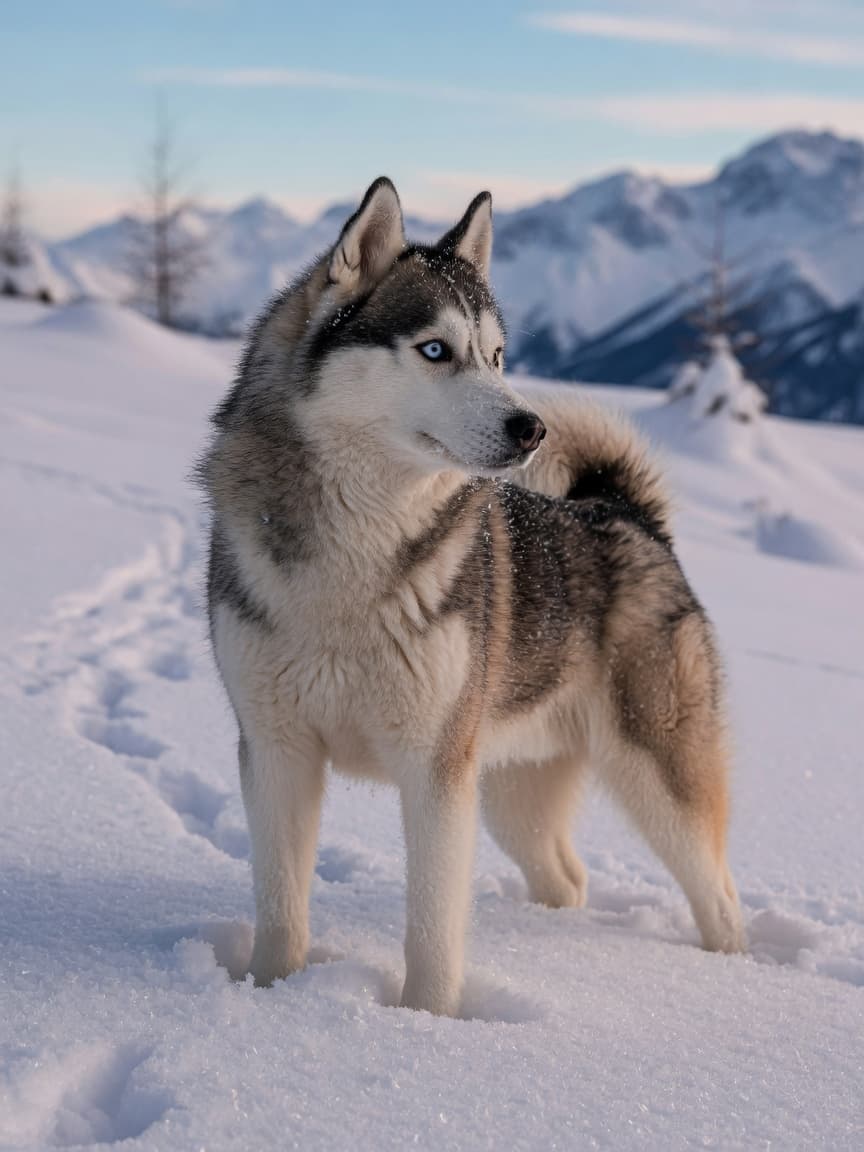
Siberian Huskies are medium-sized dogs. Dogs typically weigh 20 to 27 kilograms, bitches 16 to 23 kilograms. They are built for function — lean, well-muscled, and light-footed. The dense double coat comes in a wide range of colours and patterns, and the eyes may be blue, brown, or one of each (heterochromia). Lifespan is generally 12 to 15 years, which is long for a dog of this size.
The double coat functions as insulation in both cold and heat, and should never be shaved. Shaving does not keep the dog cooler — it destroys the coat's thermoregulatory function and can lead to sunburn and permanent coat damage. Despite this, Huskies are genuinely sensitive to hot climates and can struggle in the UK's warmer summer months.
Exercise and Mental Stimulation
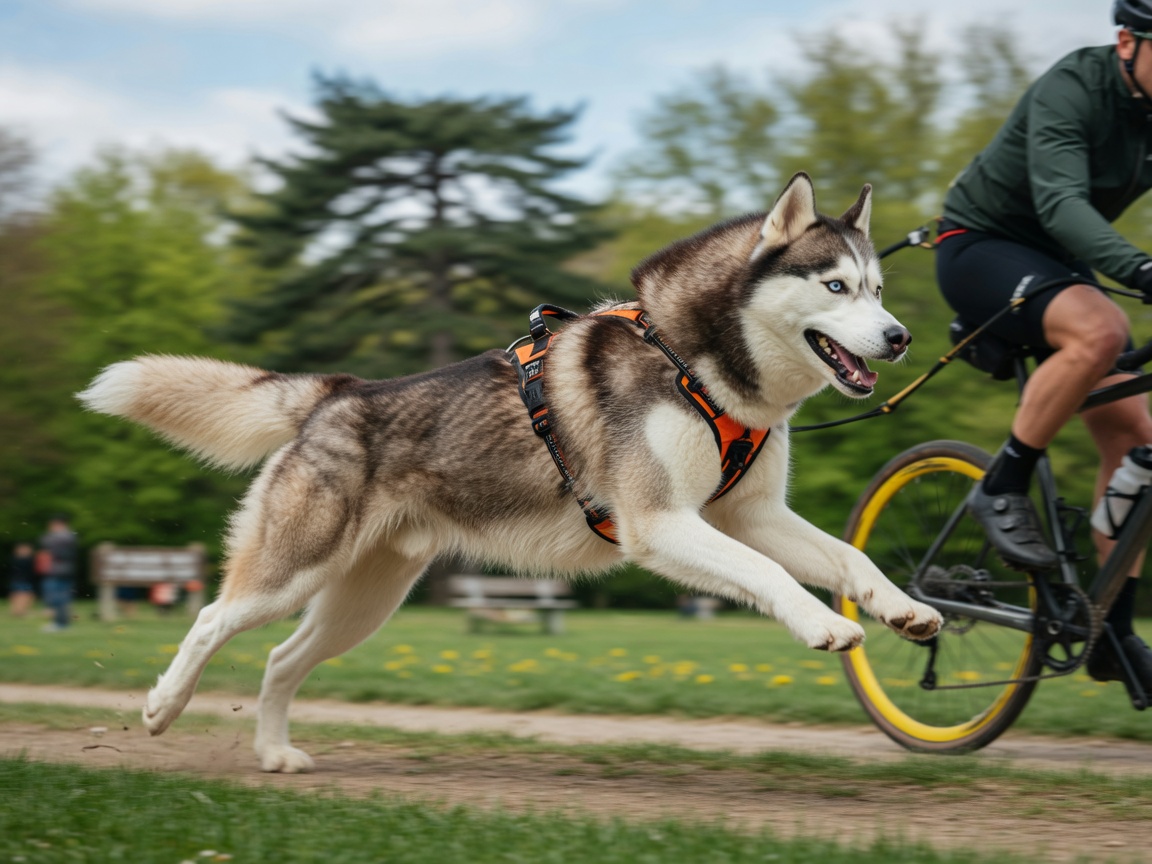
This is not a breed for the casual dog owner. Siberian Huskies require a minimum of two hours of vigorous exercise every single day, and many working-line individuals need considerably more. This exercise must be genuine physical exertion — not a short stroll. Running, cycling, canicross, bikejoring, and structured play sessions are all appropriate activities.
Equally important is mental stimulation. A bored Husky will find its own entertainment, and that entertainment typically involves howling, digging, redecorating the interior of your home, or engineering an escape. Puzzle feeders, scent work, and training sessions all help, but they do not replace physical exercise.
Escape Artist Tendencies
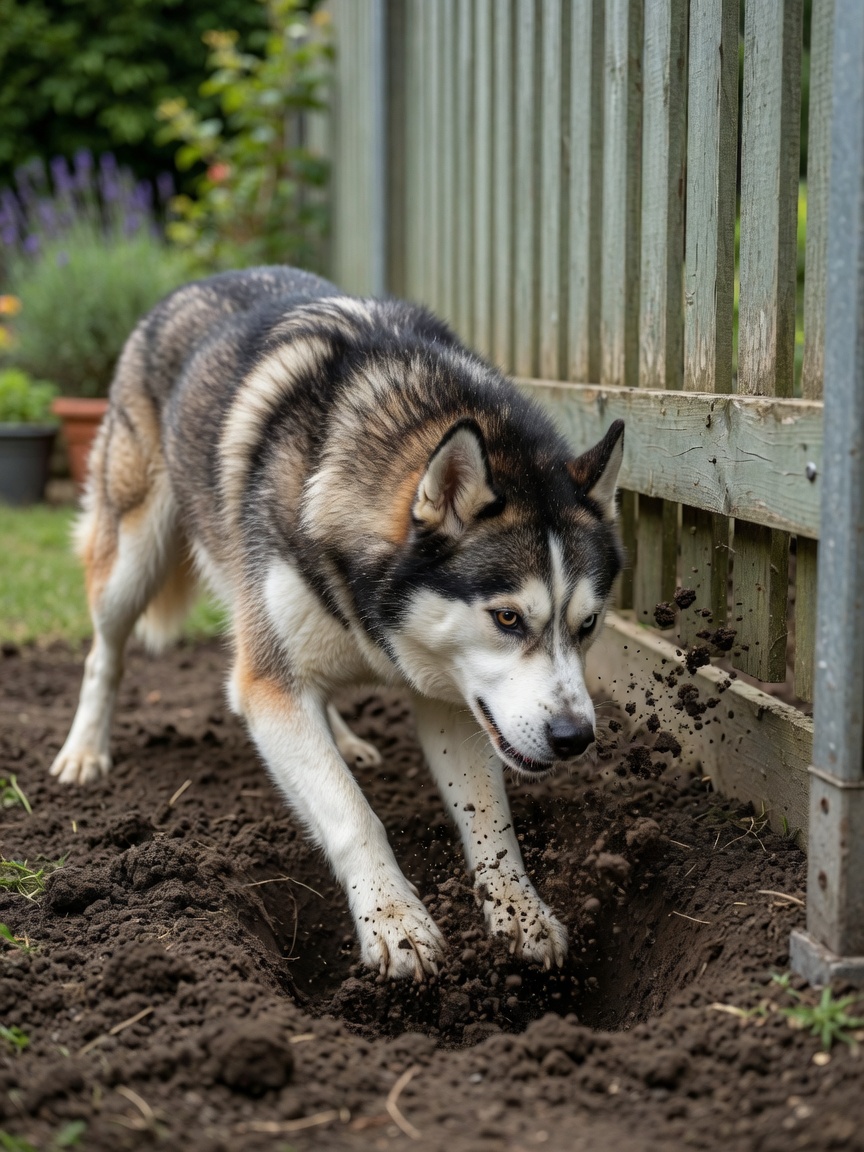
The Siberian Husky is widely regarded as one of the most determined escape artists in the dog world. They can jump high fences, dig under barriers, squeeze through surprisingly small gaps, and problem-solve their way out of enclosures that would contain most breeds. Garden fencing should be a minimum of six feet high, with a dig-guard at the base. Any gaps or weaknesses will be found and exploited.
Critically, Huskies should never be allowed off the lead in an unsecured area. Their high prey drive means they will chase small animals with single-minded focus, and once running, a Husky will not respond to recall in the way most breeds do. This is not a training failure — it is a deeply ingrained instinct from thousands of years of selective breeding. Only ever exercise off-lead within a securely fenced area.
High Prey Drive and Household Compatibility
The Husky's prey drive is a significant consideration for households with cats, rabbits, guinea pigs, or other small animals. Many Huskies can be socialised with cats they have grown up with, but introductions must be managed carefully and supervision is often required long-term. Small prey animals such as rodents or birds are at high risk around Huskies and cohabitation is generally not advisable.
With other dogs, Huskies are generally sociable, particularly with other large breeds. They are often described as pack animals and many do better in multi-dog households than as sole pets, provided introductions are well managed.
Common Health Conditions
Progressive Retinal Atrophy (PRA)
Progressive retinal atrophy causes gradual degeneration of the retina and eventual blindness. It is one of the most significant inherited conditions in the Siberian Husky. DNA testing is available and reputable breeders should screen all breeding stock. Dogs that test clear should not produce affected offspring when mated with other clear or carrier dogs — ask any breeder to see their test results.
Glaucoma
Siberian Huskies have an elevated risk of hereditary glaucoma, a condition in which fluid pressure inside the eye rises to damaging levels. Without treatment, glaucoma leads to permanent vision loss and is extremely painful. Signs include a reddened eye, cloudiness, tearing, and squinting. Glaucoma requires urgent veterinary attention — it is not a condition to monitor and see.
Copper Toxicosis
Copper toxicosis is a condition in which copper accumulates in the liver to toxic levels, causing progressive liver damage. It has been documented in Siberian Huskies and can be life-threatening if undetected. Symptoms include lethargy, vomiting, weight loss, and jaundice. Diagnosis requires liver biopsy or specific blood testing. Dietary copper restriction and chelation therapy can manage the condition in affected dogs.
Deafness (BAER Testing)
Deafness is a documented concern in Siberian Huskies, particularly in dogs with white coats or blue eyes. BAER (Brainstem Auditory Evoked Response) testing can identify hearing deficits in puppies as young as five to six weeks. Responsible breeders will BAER test their litters and should be able to provide results. Deaf dogs can live full, happy lives with appropriate training adaptations, but owners must be aware of the safety implications.
Coat Care and Shedding
The Husky's double coat sheds heavily twice a year — a process known as "blowing coat" — during which the undercoat comes out in large clumps. Daily brushing during these periods is essential to manage the volume of loose fur. Outside of shedding season, weekly brushing is generally sufficient. The coat is naturally self-cleaning to a degree and Huskies typically require infrequent bathing.
Temperament and Communication
Huskies are not known for barking but they are exceptionally vocal in other ways. They howl, talk back, whine, and produce a remarkable range of expressive sounds. This vocalisation is a breed characteristic rather than a problem behaviour, but it is worth bearing in mind if you live in close proximity to neighbours. They are friendly and sociable with people — including strangers — which makes them poor guard dogs.
Is a Husky Right for You?
The Siberian Husky is genuinely not suited to first-time dog owners, apartment living, or households that cannot commit to extensive daily exercise and secure containment. In the right hands — experienced, active, patient, and realistic — they are extraordinary companions. But the number of Huskies surrendered to rescue each year, often by owners who were unprepared for their needs, is a sobering reminder that beauty alone is not a sufficient reason to take one on.