
Dog Breath Is Not Normal
There is a widespread assumption among dog owners that bad breath is simply part of having a dog — an inevitable, if unpleasant, reality of sharing your home with a carnivore. This assumption causes real harm. While a dog's breath will never smell particularly pleasant, pronounced or persistent halitosis is a symptom, not a given. It points to something happening in the body that deserves investigation, and in some cases it points to something serious.
The mouth is the most frequent source of bad breath in dogs, but it is far from the only one. Understanding the full range of causes — from the mundane to the medically significant — helps owners make better decisions about when a vet visit is necessary and how urgently.
The Most Common Cause: Oral Disease
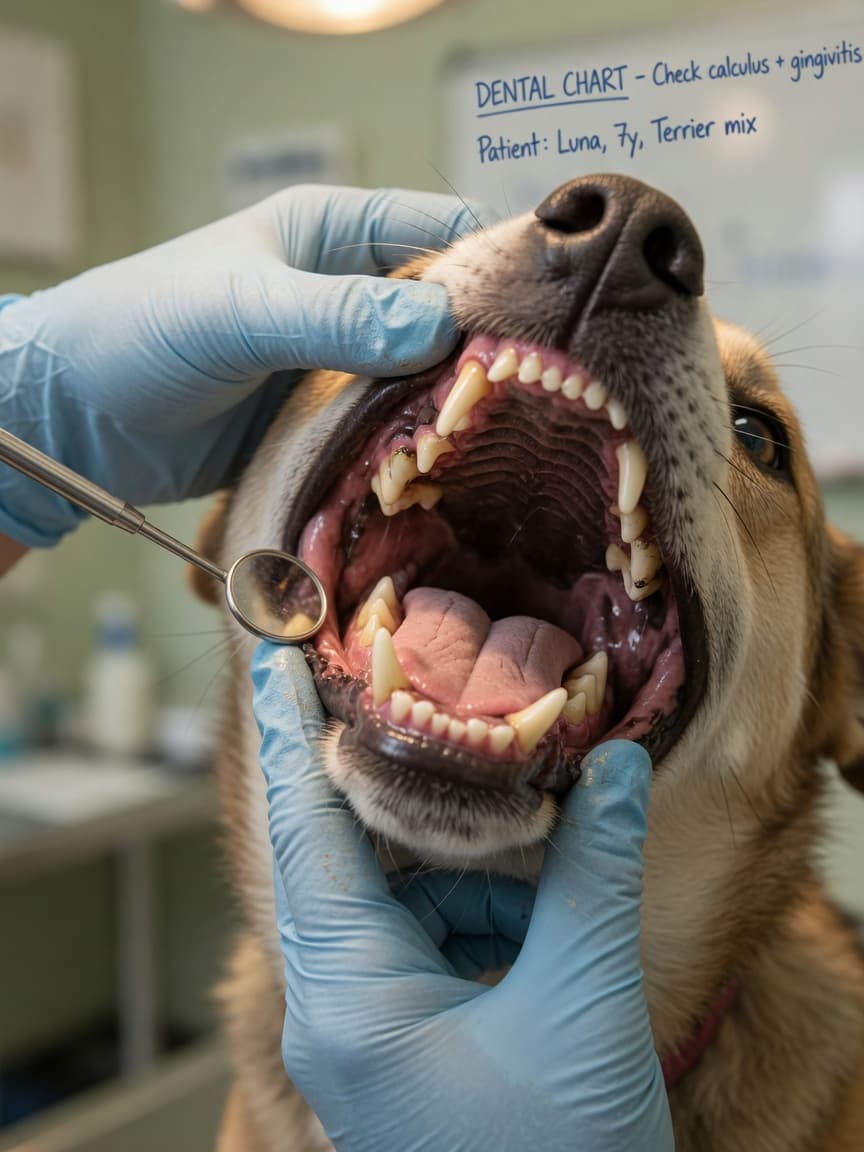
Periodontal disease — the progressive destruction of the gums, bone, and ligaments supporting the teeth — is the primary driver of bad breath in the majority of dogs. The characteristic smell associated with dental disease arises from volatile sulphur compounds produced by anaerobic bacteria that colonise the space between tooth and gum. These bacteria thrive in the oxygen-poor environment of deep gingival pockets and produce hydrogen sulphide and methyl mercaptan, among other compounds. The result is a smell often described as rotting or fetid.
Tartar accumulation alone produces relatively little odour. The smell significantly worsens as bacteria proliferate below the gumline. A dog with advanced periodontal disease may have breath detectable from several feet away. Other oral causes of halitosis include:
- Tooth root abscesses, which produce a particularly pungent smell
- Fractured teeth with infected pulp
- Oral tumours, which may become necrotic or infected
- Stomatitis — widespread inflammation of the oral mucosa
- Retained deciduous (baby) teeth that trap food and bacteria
- Foreign material lodged between teeth or in the gingival tissue
Dietary Causes: What Goes In Comes Out
Diet plays a more significant role in breath odour than many owners realise. Dogs fed raw food diets, particularly those including fish, offal, or green tripe, will frequently have noticeably stronger breath than dogs on commercial dry food. This is not necessarily pathological — it is simply the nature of the ingredients — but it can be alarming if unexpected.
Dogs that have access to faeces (their own or from other animals) — a behaviour known as coprophagia — will unsurprisingly have foul-smelling breath. Coprophagia is a complex behaviour with multiple potential causes including nutritional deficiency, boredom, learned behaviour, and anxiety. It is worth addressing both for hygiene reasons and for the owner's quality of life.
Eating decomposing material, rubbish, or carrion is equally capable of producing unpleasant breath, and in these cases the smell typically resolves within a few hours as the material passes through the digestive system.
Kidney Disease: The Ammonia Smell
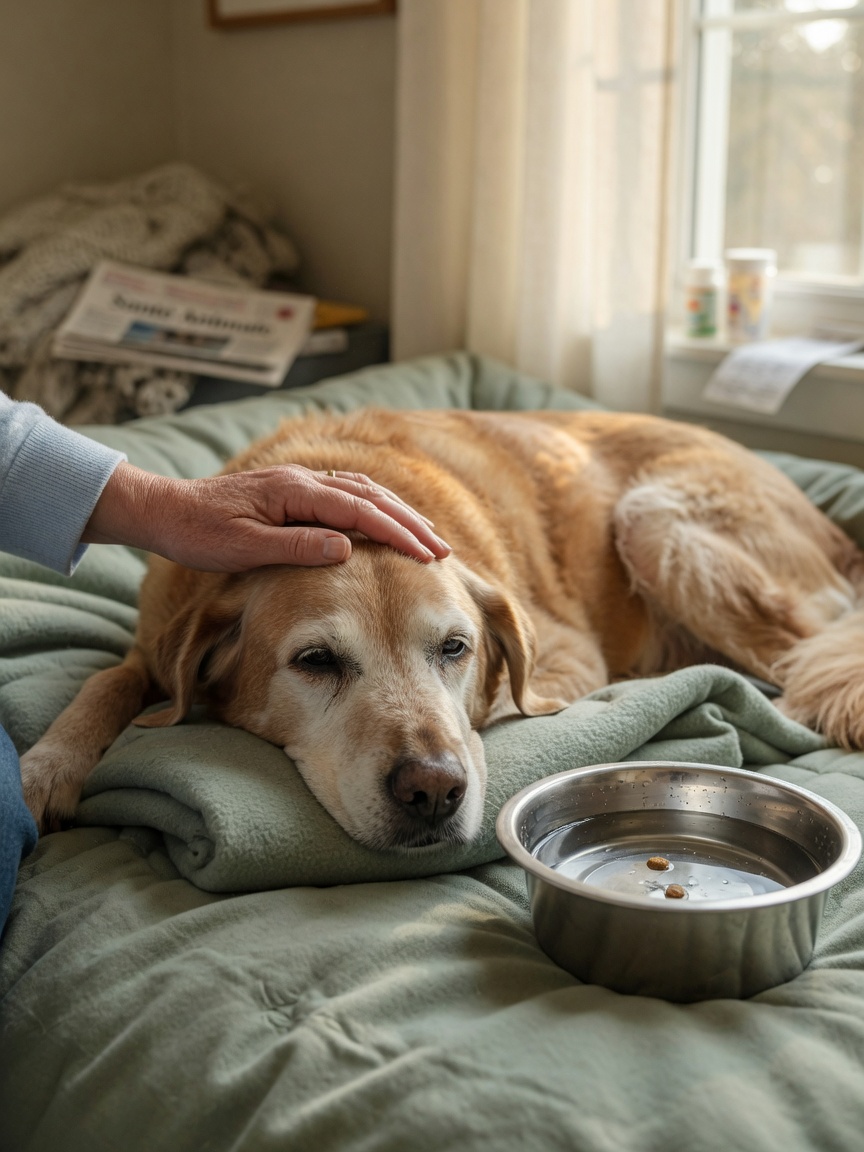
One of the more clinically significant non-oral causes of halitosis in dogs is chronic kidney disease. As kidney function declines, the kidneys lose their ability to filter urea from the blood effectively. Urea accumulates in a condition called uraemia, and as it breaks down, it produces ammonia. Dogs with significant uraemia develop breath described as smelling of ammonia or urine — sometimes described as a fishy or metallic smell.
Kidney disease is a progressive condition most commonly seen in older dogs, though certain breeds — including Cocker Spaniels, Shih Tzus, and German Shepherds — have elevated genetic risk. Other signs accompanying uraemic breath include increased thirst and urination, weight loss, lethargy, vomiting, and reduced appetite. If you detect an ammonia quality to your dog's breath, a veterinary assessment including blood and urine testing is warranted promptly.
Diabetes: The Sweet or Fruity Smell
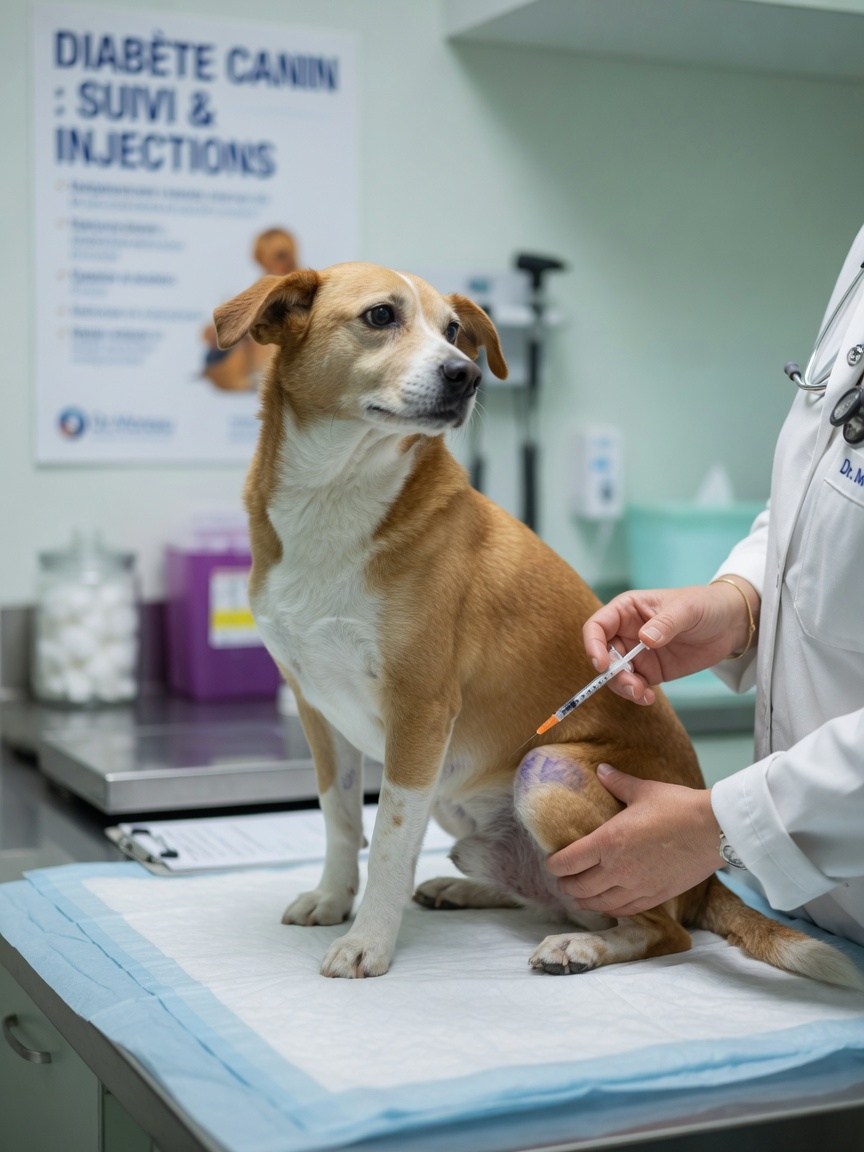
Diabetic ketoacidosis (DKA) is a serious complication of uncontrolled diabetes mellitus in dogs. When the body is unable to use glucose as fuel due to insulin deficiency, it begins breaking down fat at a rapid rate. This produces ketone bodies as a by-product. Acetone, one of these ketones, is volatile and breathed out through the lungs, producing a distinctive sweet, fruity, or nail-polish-remover smell on the breath.
This is a medical emergency. DKA causes rapid deterioration and can be fatal if untreated. Other signs include lethargy, vomiting, reduced appetite, and altered breathing. A dog whose breath suddenly takes on a sweet or fruity quality — particularly one already diagnosed with diabetes or displaying signs of excessive thirst and urination — needs immediate veterinary attention.
Gastrointestinal and Respiratory Causes
Less commonly, bad breath originates from the gastrointestinal tract or respiratory system. Conditions that cause regurgitation or frequent vomiting, such as megaoesophagus or gastro-oesophageal reflux, allow stomach acid and partially digested food to be breathed out, producing a sour or acidic smell. Nasal infections, sinusitis, or tumours affecting the nasal passages can produce a chronic purulent discharge that contributes to the overall smell around the muzzle and mouth area.
Respiratory infections, particularly those producing discharge pooling in the nasopharynx, can occasionally produce halitosis as a secondary symptom. In these cases, the smell is typically accompanied by other obvious signs such as nasal discharge, coughing, or sneezing.
When to See a Vet
A consistent or worsening bad smell from your dog's mouth is a valid reason to seek veterinary assessment. The following warrant prompt attention rather than a wait-and-see approach:
- A sweet or fruity odour suggesting possible ketoacidosis
- An ammonia or urine-like smell suggesting uraemia
- Bad breath accompanied by changes in drinking or urinating habits
- Bad breath alongside weight loss, lethargy, or loss of appetite
- A sudden change in breath quality in a dog whose breath was previously unremarkable
- Bad breath accompanied by visible oral lesions, bleeding gums, or loose teeth
Where dental disease is the suspected cause, a professional dental examination under anaesthesia with full-mouth radiographs will identify the extent of disease and allow appropriate treatment. Do not rely on dental chews or mouthwashes to resolve the smell from significant oral pathology — these products can mask odour temporarily but do not address the underlying condition.