
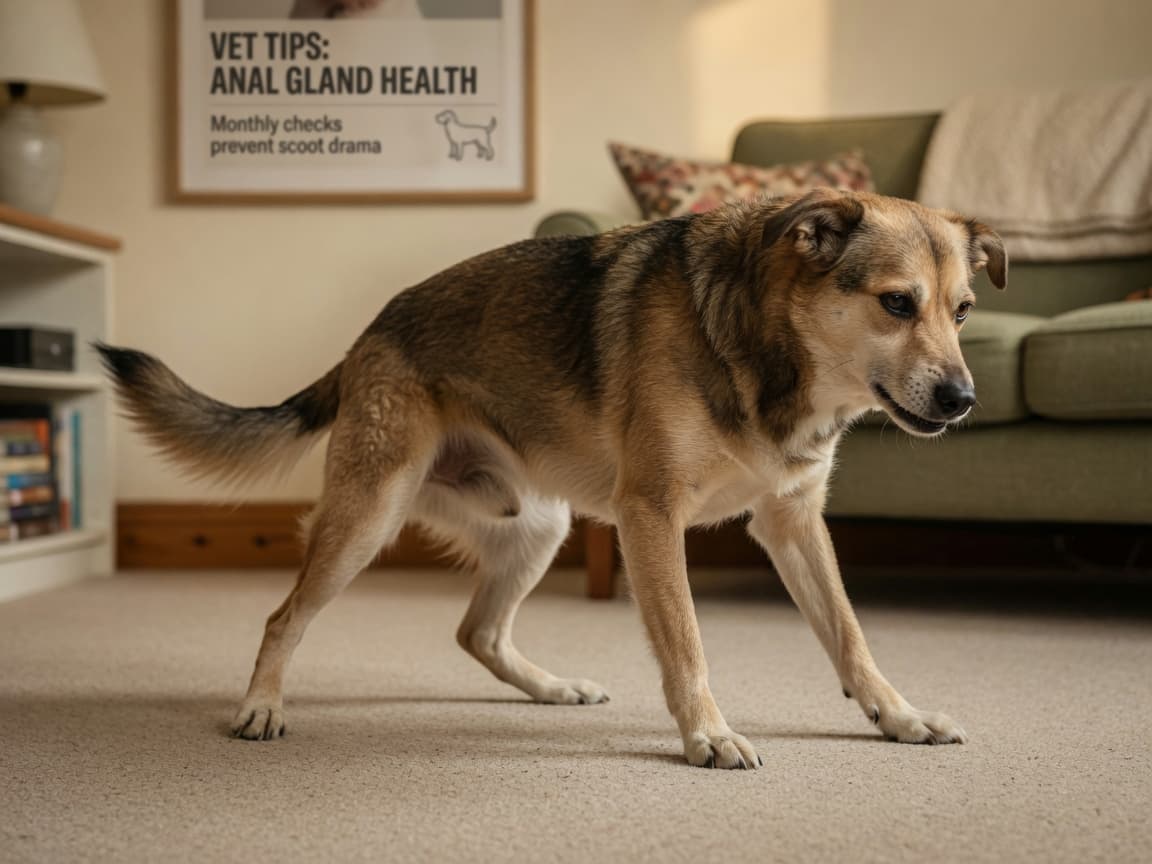
The Drag That Every Dog Owner Recognises
Your dog sits down, lifts both back legs slightly, and drags their bottom across the carpet or lawn with a look of grim satisfaction. It is one of the more undignified things dogs do, and it almost always means something is irritating the area around their rear end. Understanding the most likely causes helps you respond appropriately rather than simply hoping it stops on its own.
Anal Gland Problems: The Most Common Cause
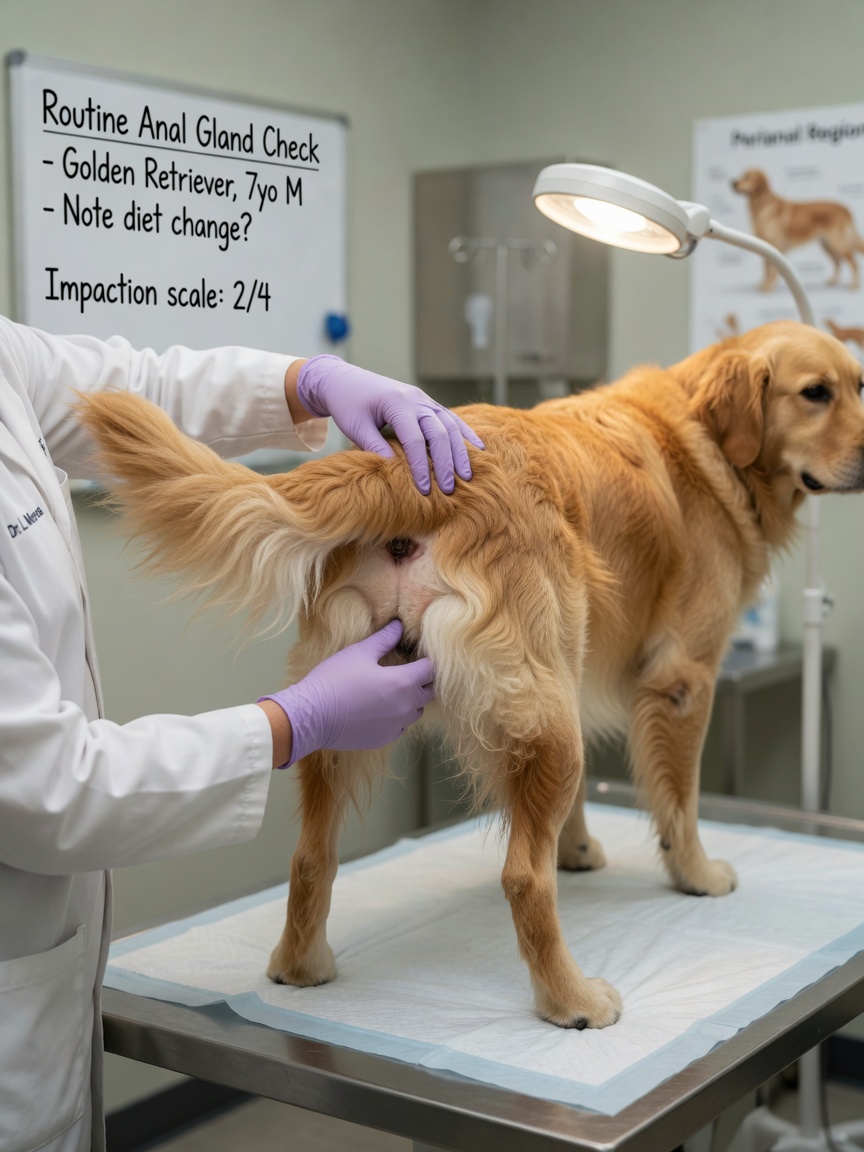
Dogs have two small anal sacs, one on each side of the anus, which produce a pungent secretion used for scent marking. Under normal circumstances these empty naturally during defecation. When they do not empty properly, pressure and discomfort build up, and scooting is the dog's attempt at relief.
Impaction and infection
Impacted anal glands feel firm and uncomfortable. Left unresolved, they can become infected and, in severe cases, abscess. Signs of an anal gland problem beyond scooting include licking or biting at the base of the tail, a strong fishy odour, swelling or redness visible near the anus, and yelping when sitting down.
Manual expression
A vet or trained groomer can express the anal glands manually. Some owners learn to do this at home, though the internal method used by vets is more thorough than external expression. If your dog requires expression more than every few months, discuss underlying causes with your vet, as diet, body weight, and breed conformation all play a role.
Intestinal Worms
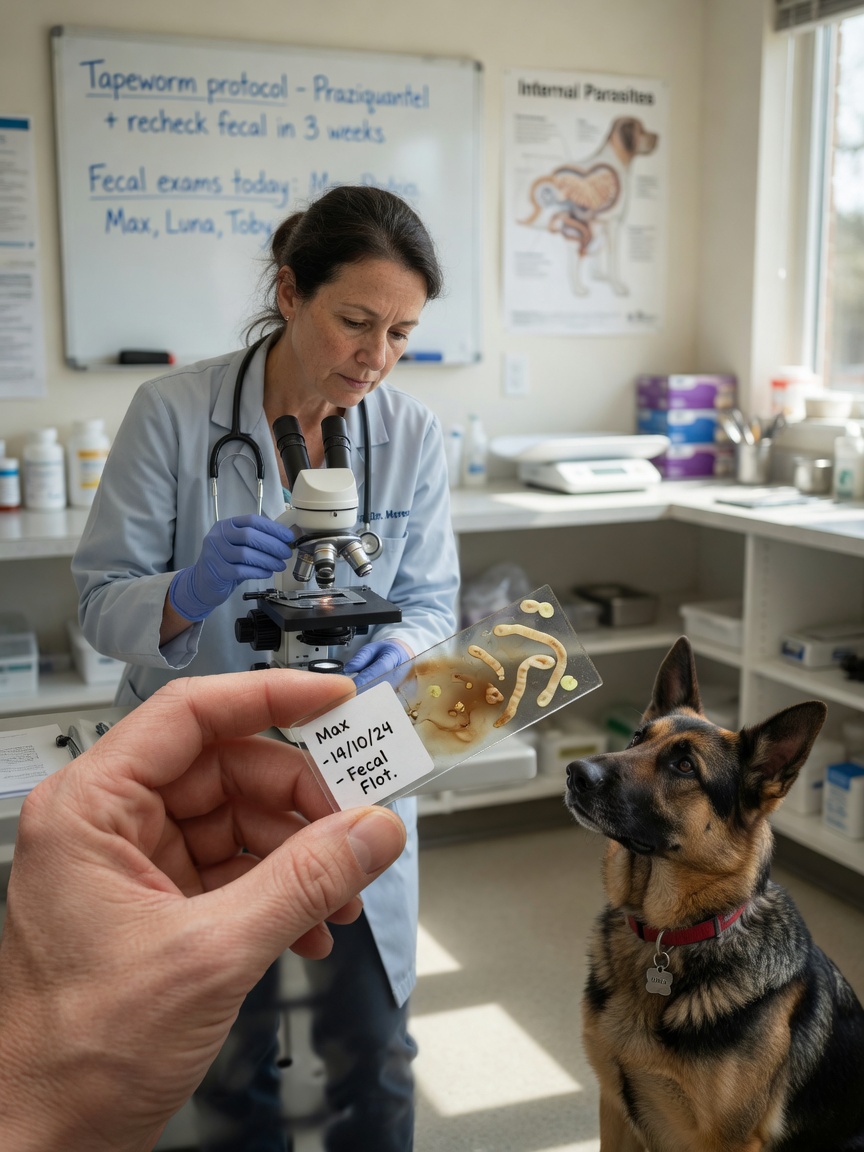
Tapeworms are the parasites most associated with scooting. Dogs typically acquire tapeworms by swallowing infected fleas during grooming. Small segments of the worm, which resemble grains of rice, may be visible around the anus or in fresh faeces. These segments cause localised irritation that prompts scooting. A faecal examination from your vet will confirm the presence of worms, and treatment with an appropriate wormer resolves the problem quickly.
Other Causes Worth Knowing
Skin irritation and allergies
Environmental or food allergies frequently cause perianal itching. Dogs with atopic dermatitis or food sensitivities often target the paws, ears, and perianal area. If scooting is accompanied by other itching, recurrent ear infections, or skin changes, an allergy workup with your vet is worthwhile.
Perianal fistulas
Perianal fistulas are painful ulcerated tracts around the anus most commonly seen in German Shepherds. They require veterinary diagnosis and treatment, which may include immunosuppressive medication or surgery in severe cases.
Rectal irritation after diarrhoea
A bout of loose stools can leave the perianal skin sore and inflamed. Temporary scooting in the days following diarrhoea is common and usually resolves as the skin heals. Keeping the area clean and dry helps. If scooting persists beyond a week after the diarrhoea has resolved, seek veterinary advice.
Matted fur
Long-coated breeds are susceptible to faecal matter matting the fur around the anus, creating both discomfort and hygiene problems. Regular grooming of the perianal area, particularly keeping the fur trimmed short in this region, prevents the issue.
When to See a Vet Without Delay
- Visible swelling, redness, or a weeping sore near the anus
- Blood in the stool or around the anus
- Your dog is in obvious pain when sitting or defecating
- Scooting is accompanied by a high temperature or lethargy
- The behaviour has continued for more than a few days without improvement
Prevention and Routine Care
A high-fibre diet helps maintain firm stools, which create natural pressure during defecation and support normal anal gland emptying. Maintaining a healthy body weight is important too, as overweight dogs are disproportionately represented among those with chronic anal gland issues. Regular flea treatment eliminates the most common route of tapeworm infection. For long-coated breeds, monthly perianal grooming appointments reduce hygiene-related irritation significantly.
Scooting is your dog's way of communicating discomfort in a specific area. Occasional episodes that resolve quickly may need nothing more than a grooming check. Persistent or painful scooting warrants a proper veterinary examination to identify and treat the underlying cause before it escalates.