
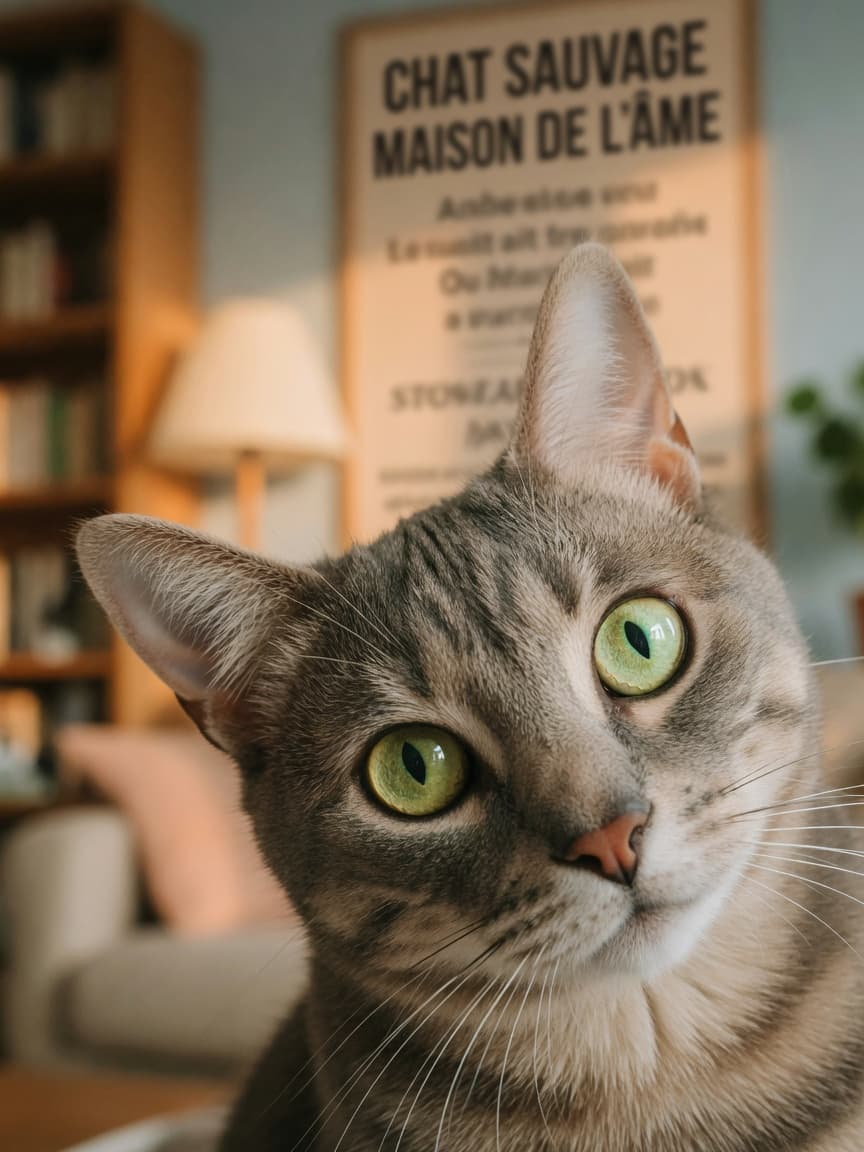
Why Does My Cat Stare at Me? The 5 Real Reasons
Cat fact: Cats have a third eyelid called the nictitating membrane, and they blink far less frequently than humans — which means when your cat stares at you, it can feel genuinely unsettling. But here's the twist: a slow, deliberate blink from your cat is actually the feline equivalent of a kiss. Try blinking slowly back at your cat and watch what happens.
You're minding your own business, eating breakfast, and you look up to find your cat staring at you with the unblinking intensity of a Victorian portrait. It doesn't move. It doesn't blink. It just... watches. Is this love? Is this judgement? Is this a prelude to something sinister?
Relax. Cat staring is deeply normal and usually very benign. But because cats are subtle communicators, the exact meaning depends on context, body language, and your individual relationship. Here are the five most common explanations — and how to tell them apart.
Reason 1: The Slow Blink — "I Trust You"
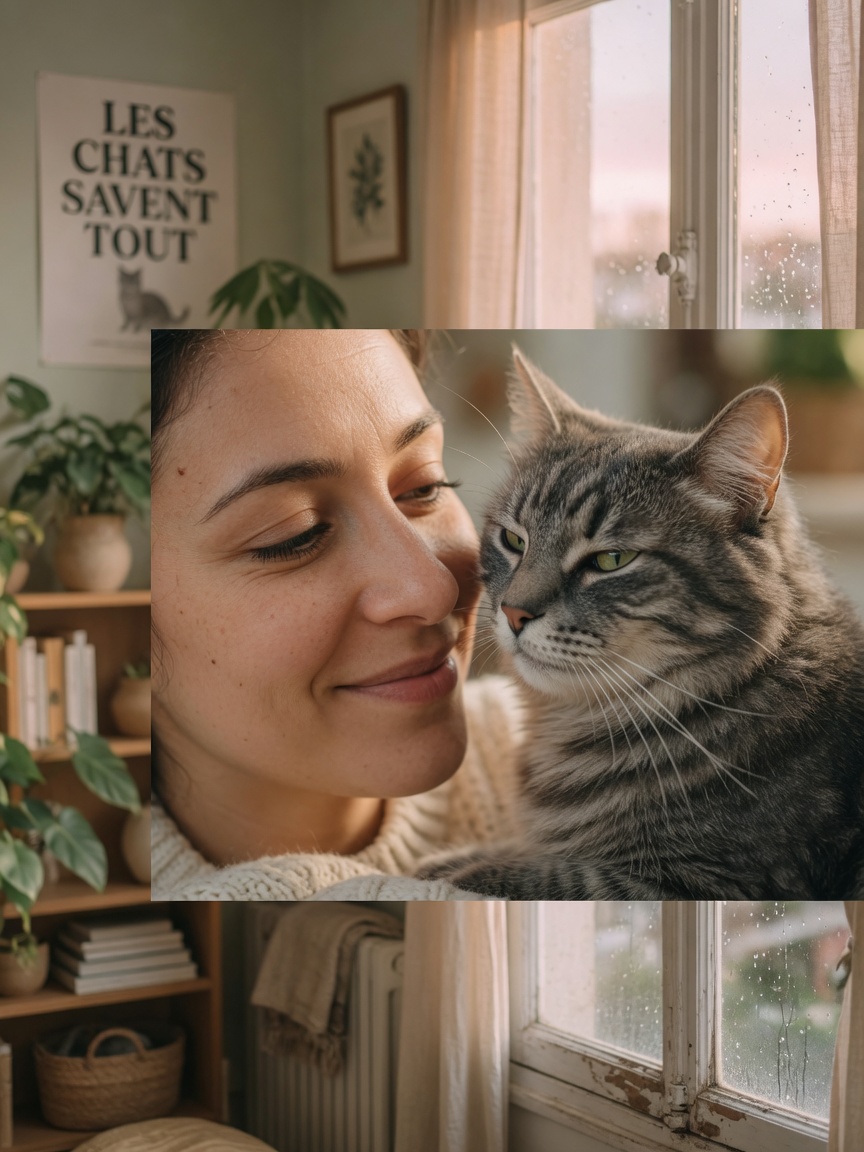
The slow blink is the most celebrated form of cat eye communication, and for good reason. When a cat makes eye contact with you and then slowly closes and reopens their eyes, they are signalling relaxation, trust, and affection. It's sometimes called a "cat kiss" or "eye kiss" by animal behaviourists.
A landmark 2020 study published in Scientific Reports by Leanne Proops and colleagues at the University of Sussex confirmed what cat lovers had long suspected: cats are more likely to slow blink at humans who slow blink at them first. The researchers also found that cats approached an unfamiliar experimenter more readily when the person slow-blinked at them. This makes the slow blink a genuine cross-species communication tool.
International Cat Care, the leading feline welfare organisation, recommends using slow blinks to build trust with anxious or newly adopted cats.
Reason 2: Hunting Instinct — They're Tracking You
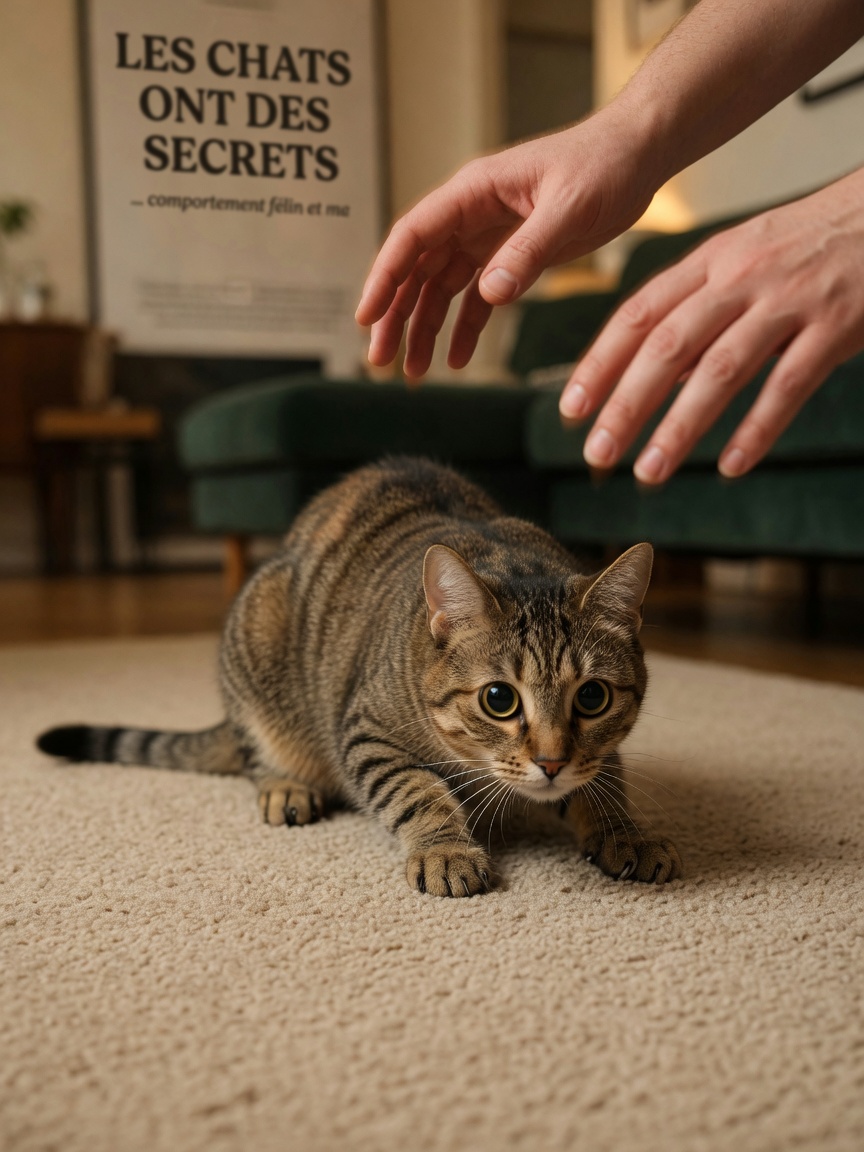
Cats are obligate carnivores and natural hunters. Their visual system is exquisitely tuned for detecting movement, and they often visually "track" objects — including you — out of pure instinct. If your cat is staring at you while you type, cook, or gesticulate enthusiastically during a phone call, there's a reasonable chance they're just watching the movement of your hands the way they'd watch a mouse.
This is especially common in younger, more energetic cats. It's not predatory in a threatening sense — it's more like their brain is running the "watch the thing that moves" program on autopilot. You can redirect this energy with interactive wand toys, which let them express that hunting drive in a constructive way.
Reason 3: Pure Curiosity
Cats are intensely curious animals. When something in their environment is new, unusual, or simply interesting, they observe it carefully before deciding how to respond. You are, from your cat's perspective, a constant source of novel stimuli — you change clothes, make different sounds, bring in new smells, and behave unpredictably.
A stare born of curiosity is usually accompanied by forward-pointing ears, a relaxed body posture, and possibly a slowly flicking tail tip. The cat isn't alarmed or demanding anything — they're just gathering data. It's flattering, really. You're interesting.
Reason 4: Territorial Assessment
Cats are territorial animals, and they use visual monitoring to keep track of what's happening in their domain. Staring from an elevated position — a cat tree, the top of the fridge, the back of the sofa — is a classic feline behaviour associated with surveying territory and maintaining a sense of control over their environment.
If you've recently rearranged furniture, brought a new object into the house, or had visitors, your cat may be in heightened monitoring mode. That fixed stare from the corner of the room isn't menacing — it's your cat doing their due diligence as the house's self-appointed security officer.
According to research discussed by BBC Future, cats may be far more socially aware and emotionally sensitive than their independent reputation suggests, using visual monitoring as a key tool for social navigation.
Reason 5: They Want Food or Attention
Ah, the oldest reason of all. Many cats have learned that sustained eye contact with their human is the most efficient way to produce results. Unlike dogs, cats rarely engage in prolonged begging vocalisations — instead, they deploy the stare. And it works. The moment you acknowledge the stare, you've reinforced it as a communication strategy.
If the stare is accompanied by a trill, a meow, movement toward the kitchen or their food bowl, or rubbing against your legs, the message is unambiguous: it is time to be fed, and the fact that you don't know this yet is simply a failure on your part.
A study from ScienceDaily (2019) found that domestic cats have developed specific vocalisations and behaviours — including sustained gaze — to communicate with humans in ways that wolves and their wilder relatives have not, suggesting this is a domestication-driven adaptation.
Key Takeaways
- A slow blink from your cat is a sign of trust and affection — try slow blinking back to strengthen your bond.
- Hunting instinct means cats often visually track movement, including yours, without any social motive.
- Curious staring is normal and usually accompanied by forward ears and a relaxed posture.
- Territorial staring from elevated positions is your cat monitoring their domain.
- If the stare comes at meal time and your cat is headed toward their bowl, the answer is obvious.
Want to channel your cat's hunting instincts more productively? Interactive wand toys and puzzle feeders are brilliant for mental stimulation. Find a huge range at Zooplus — Europe's go-to pet retailer. Shop cat enrichment toys at Zooplus →
References
- Humphrey T, Proops L, et al. (2020). The role of cat eye narrowing movements in cat–human communication. Scientific Reports, 10, 16503. PMID: 33020616
- Vitale Shreve KR, Udell MA. (2015). What's inside your cat's head? A review of cat (Felis silvestris catus) cognition research past, present and future. Animal Cognition, 18(6), 1195–1206. PMID: 26306614