
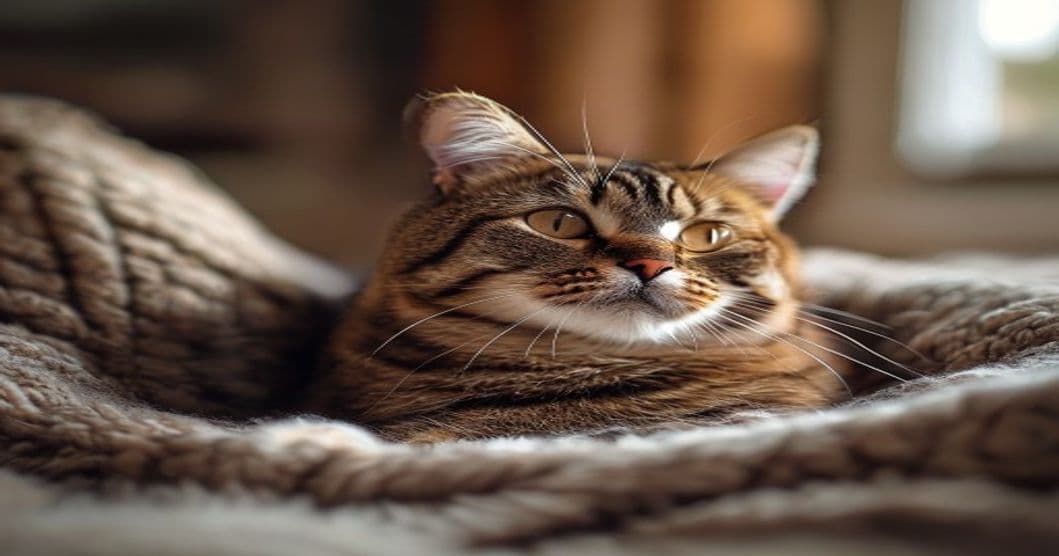
Why Does My Cat Meow at Night? 7 Causes & Solutions
By Julia Wrenfield, Pet Wellness Researcher
You've finally drifted off to sleep when it starts: a low, insistent meow from the hallway, followed by another, then a full-volume yowl that shakes you wide awake. If this sounds familiar, you're not alone. Nighttime vocalization is one of the most frequently reported cat behavior problems, and it rarely has a single explanation. Understanding the root cause is the first step toward getting both you and your cat back to peaceful nights.
1. Hunger
The most straightforward explanation: your cat is hungry. If you feed on a fixed schedule and the last meal was many hours ago, a growling stomach is a powerful motivator. Cats have small stomachs and high metabolic rates, meaning they naturally prefer multiple smaller meals throughout the day — and night.
Solution: Consider splitting daily portions into three or four feedings rather than two. An automatic timed feeder that dispenses a small meal around 11 PM can silence many nighttime cries by bridging the overnight fast.
2. Crepuscular Nature
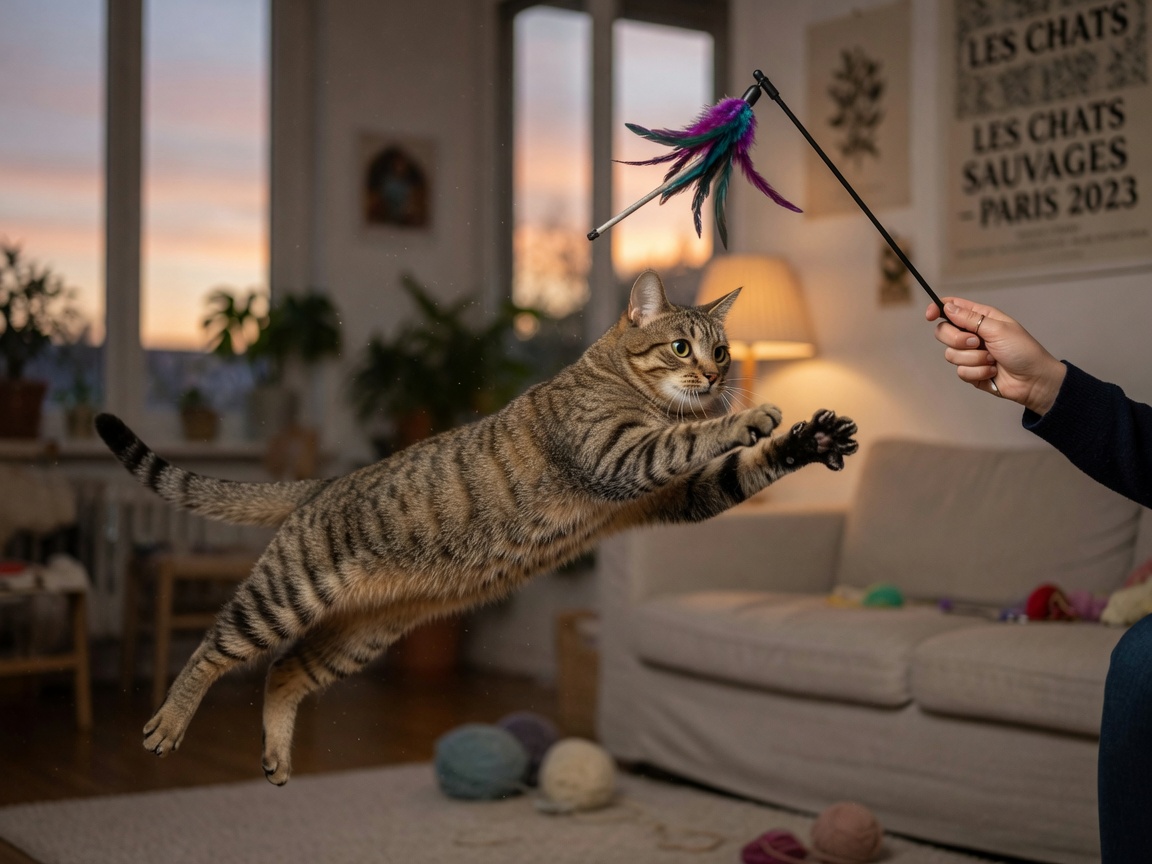
Cats are not nocturnal — they are crepuscular, meaning their activity peaks at dawn and dusk. This wiring is an evolutionary inheritance from wild ancestors who hunted small prey most active at twilight. Your cat's internal clock may simply be programmed for activity at times that clash with your sleep schedule.
Solution: Engage your cat in vigorous interactive play (wand toys, laser pointers) for 15 to 20 minutes in the evening, then offer a small meal immediately after. This mimics the hunt-catch-eat-groom-sleep cycle and can shift the activity window earlier, aligning it closer to your bedtime.
3. Boredom and Understimulation
Indoor cats without sufficient environmental enrichment often bank excess energy throughout the day, releasing it when the house goes quiet at night. A cat that sleeps 18 hours uninterrupted during daylight hours will wake up alert and restless precisely when you don't want it to be.
Solution: Introduce puzzle feeders, window perches with outdoor views, cat trees, and rotating toy selections. Even 10 minutes of structured play twice a day can meaningfully reduce nighttime restlessness.
4. Cognitive Dysfunction Syndrome (Older Cats)
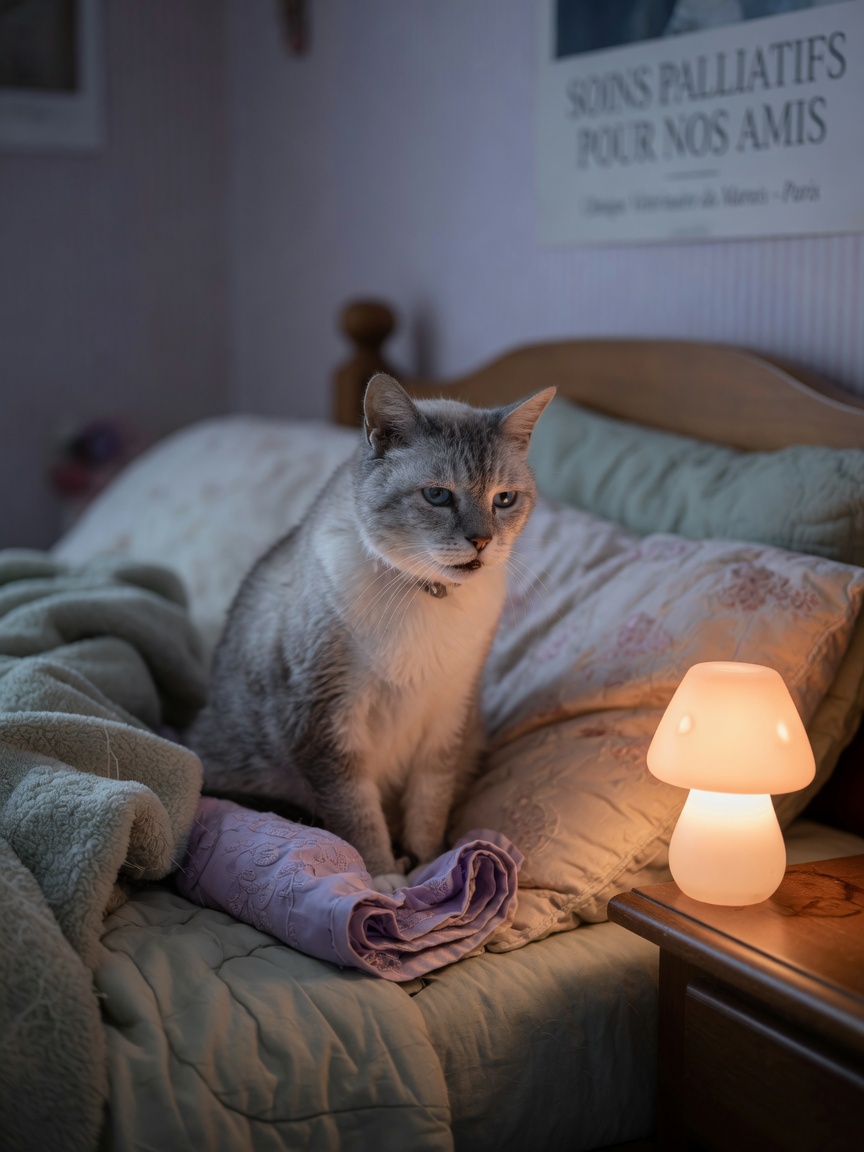
Feline Cognitive Dysfunction Syndrome (CDS) is the cat equivalent of dementia and affects an estimated 28% of cats aged 11 to 14, rising to over 50% in cats 15 and older. Affected cats often become disoriented, especially at night when low light removes visual landmarks, leading to loud, distressed vocalization.
Solution: Leave a nightlight on in areas your senior cat frequents. Maintain a strict, predictable daily routine. Your veterinarian may recommend supplements such as omega-3 fatty acids, antioxidant diets formulated for senior cats, or prescription medications to manage symptoms. CDS is not curable, but it is manageable.
5. Hyperthyroidism
Hyperthyroidism — caused by an overactive thyroid gland — is the most common hormonal disorder in middle-aged to older cats, affecting roughly 10% of cats over age 10. Elevated thyroid hormone levels produce restlessness, increased appetite, weight loss despite good appetite, excessive thirst, and persistent vocalization at any hour, including at night.
Solution: This is a medical condition requiring veterinary diagnosis via blood panel. Treatment options include daily oral medication (methimazole), radioactive iodine therapy, or dietary management with prescription iodine-restricted food. Once thyroid levels normalize, nighttime yowling typically resolves.
6. Pain or Illness
A cat that is in pain — whether from arthritis, a urinary tract infection, dental disease, or an internal condition — will often vocalize more, particularly when movement at night aggravates discomfort. Unlike dogs, cats are experts at masking pain during the day; nighttime is often when their guard drops.
Solution: Watch for accompanying signs: changes in gait, reluctance to jump, altered litter box habits, changes in grooming, or appetite shifts. If nighttime meowing appears suddenly and is accompanied by any of these signs, schedule a veterinary appointment promptly.
7. Mating Behavior
Intact (unspayed or unneutered) cats have powerful hormonal drives that produce loud, persistent calling — particularly females in estrus and males detecting a female in heat in the neighborhood. This vocalization can be relentless and is one of the most distinctive sounds in domestic animal behavior.
Solution: Spaying or neutering is the definitive solution and has the added benefit of reducing the risk of reproductive cancers and uterine infections. If your cat is already spayed or neutered and is still showing heat-like behaviors, consult a veterinarian to rule out ovarian remnant syndrome in females.
When to See a Vet
Seek veterinary evaluation if nighttime meowing is:
- New or sudden in onset (especially in cats over 7 years old)
- Accompanied by weight loss, increased drinking, or litter box changes
- Distressed-sounding rather than attention-seeking in tone
- Not responding to behavioral interventions after two to three weeks
- Present in a senior cat who appears confused or disoriented
Medical causes are common enough that any sudden or escalating nighttime vocalization in an adult or senior cat warrants a blood panel and physical exam before behavioral solutions are pursued.
General Tips to Reduce Nighttime Meowing
Regardless of the cause, a consistent bedtime routine helps. Feed the last meal close to your own bedtime, complete a play session, and provide a warm, comfortable sleeping spot near (but not necessarily in) your bedroom. Avoid responding to meowing with attention, food, or play when you are trying to discourage the behavior — any reinforcement, even negative attention, can perpetuate it. Instead, wait for a quiet moment to reward calm behavior.
- The seven main causes of nighttime meowing are hunger, crepuscular activity patterns, boredom, cognitive dysfunction (senior cats), hyperthyroidism, pain/illness, and mating behavior.
- Evening play sessions followed by a late-night meal are among the most effective behavioral interventions.
- Sudden or escalating vocalization in middle-aged or senior cats should be evaluated by a veterinarian before assuming a behavioral cause.
- Cognitive Dysfunction Syndrome affects over half of cats aged 15+ and is a common overlooked reason for senior cat yowling.
- Spaying or neutering resolves mating-related calls definitively and offers additional health benefits.
References
- Landsberg GM, Denenberg S, Araujo JA. Cognitive dysfunction in cats: a syndrome we used to dismiss as 'old age.' J Feline Med Surg. 2010;12(11):837–848. PMID: 20974401
- Wakeling J, Elliott J, Syme H. Evaluation of cats with hyperthyroidism for concurrent hypothyroidism using laboratory reference intervals derived from euthyroid cats. J Vet Intern Med. 2011;25(6):1301–1309. PMID: 21967577