
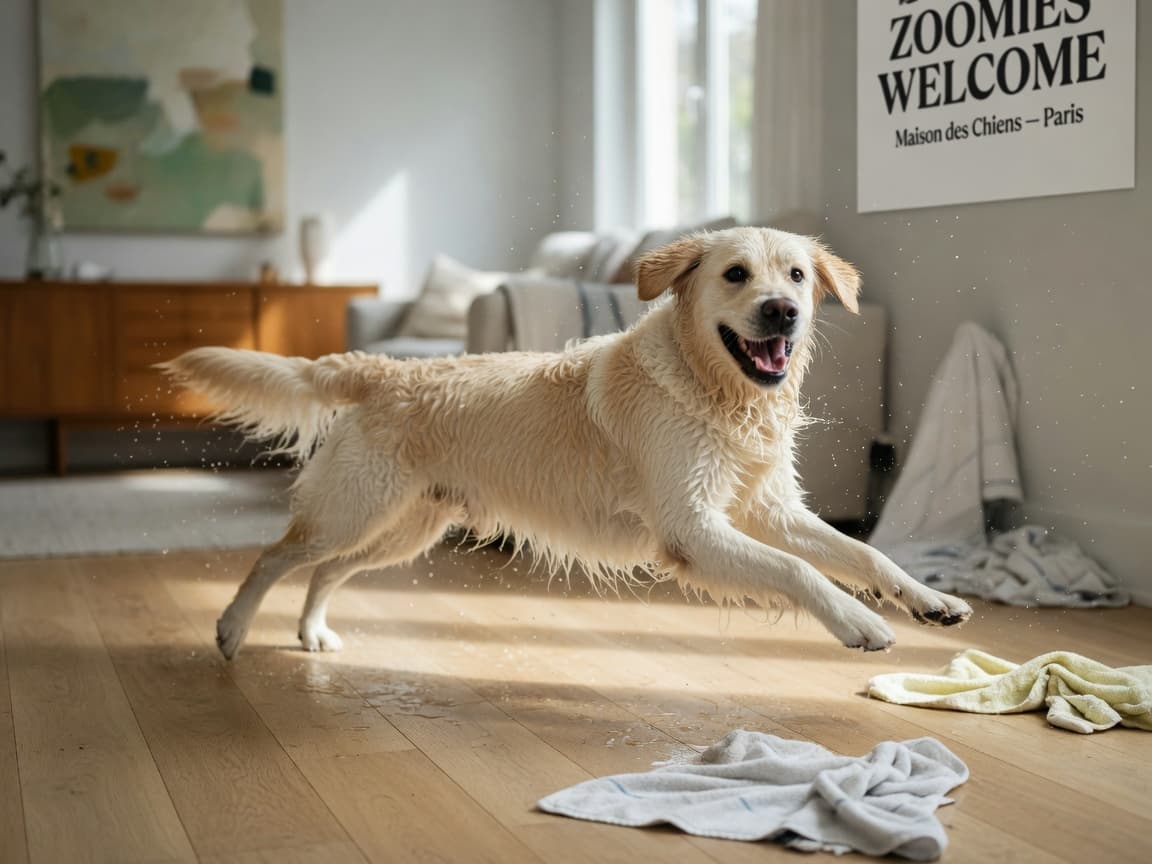
If you've ever witnessed your dog transform into a furry whirlwind immediately after bath time, racing around your home at top speed, you're not alone. This chaotic post-bath behaviour, affectionately known as "zoomies" or the "frap" (Frenetic Random Activity Period), is a completely normal and surprisingly common canine phenomenon. But what's actually triggering this explosive burst of energy? Understanding the science behind your dog's post-bath antics can help you appreciate this quirky behaviour and manage it safely.
The Relief Factor: Freedom from Restraint
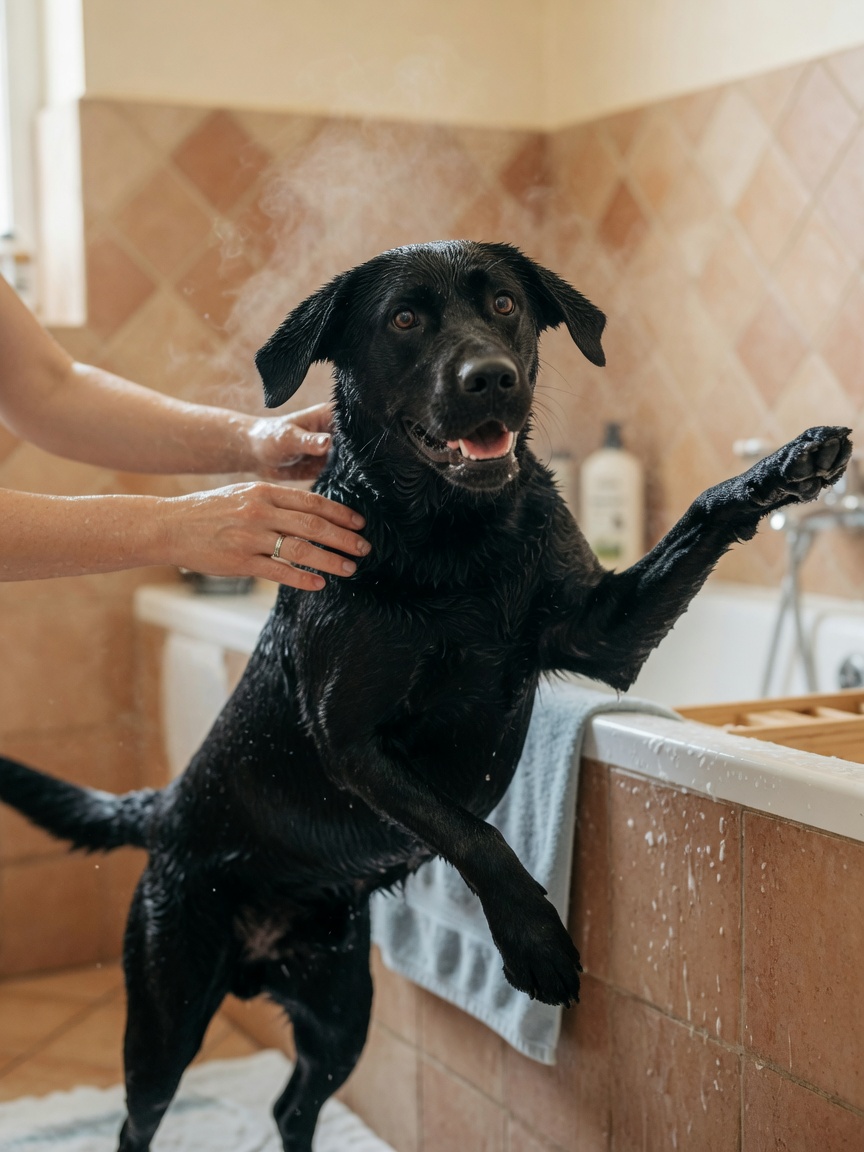
During a bath, your dog is held in place, unable to move freely or shake off water at will. This restriction, whilst necessary for effective cleaning, can feel quite constraining to your pet. Once you release them, your dog is experiencing a sudden surge of freedom and relief. This liberation from physical restraint naturally prompts them to burn off the pent-up energy that's been building throughout the bathing process.
Think of it similarly to how humans feel after sitting in one position for an extended period—that urge to stretch, move, and get the blood flowing is irresistible. Your dog is simply expressing this need in the most enthusiastic way possible.
Temperature Regulation and Physical Discomfort
Wet fur is uncomfortable for dogs, and their bodies recognise this. One of their instinctive responses is to shake, which you've likely already witnessed. However, the zoomies go beyond simple shaking. The dampness and temperature change trigger their nervous system, creating a state of mild agitation that needs to be discharged.
Additionally, wet fur changes how dogs perceive their own bodies. The weight and sensation is unfamiliar, which can make them feel slightly disoriented or anxious. Running around at high speed helps them regain their sense of control and normalcy as their fur dries.
Stress Relief and Emotional Release
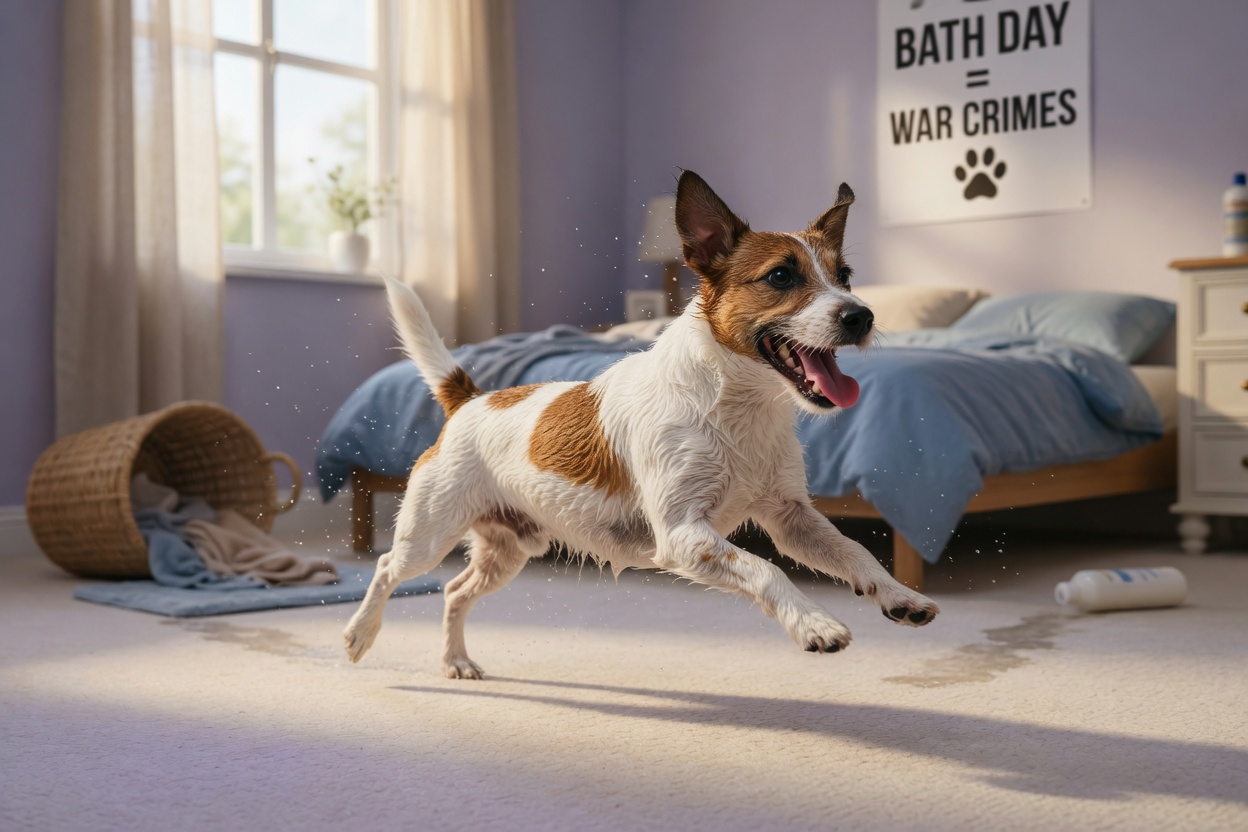
Bathing can be stressful for many dogs, even those who tolerate it reasonably well. The combination of water, unfamiliar sensations, potential temperature changes, and loss of control can elevate your dog's stress hormones, particularly cortisol.
The zoomies serve as an excellent outlet for releasing this accumulated stress. Vigorous exercise triggers the release of endorphins—the same "feel-good" chemicals in human brains—helping your dog transition from a stressed state back to their normal temperament. It's their way of saying, "That ordeal is over, and I'm reclaiming my joy!"
Instinctive Drying Behaviour
Dogs haven't evolved with the luxury of towels and hairdryers like we have. Historically, after encountering water, wild dogs would shake vigorously and then run around to help dry their coats more quickly. This behaviour is deeply ingrained in your dog's instincts, even if they're a pampered house pet.
The running and rolling during zoomies actually helps distribute natural oils throughout their coat and accelerates the drying process more effectively than you might think.
Practical Tips for Managing Post-Bath Zoomies
- Allow for a safe space: Clear your living area of hazards and fragile items before bath time, giving your dog a secure zone for their post-bath energy release
- Use towels strategically: Dry your dog as thoroughly as possible with absorbent towels before releasing them, which reduces the urgency to "shake things off"
- Plan for outdoor release: If possible, bathe your dog before taking them outside, where they can zoom safely in a garden or enclosed space
- Offer a warm environment: Keep your home at a comfortable temperature during and after bathing to minimise stress-related reactions
- Provide post-bath entertainment: Have a favourite toy ready to redirect their energy once they've had their initial burst of enthusiasm
Should You Be Concerned?
Post-bath zoomies are rarely a cause for concern. However, if your dog seems excessively anxious during bathing or the zoomies are unusually intense, consult your veterinarian. Some dogs may have genuine aqua-phobia or sensory sensitivities that warrant professional guidance.
Key Takeaways
Post-bath zoomies are a delightful combination of relief, stress release, and instinctive behaviour—nothing to worry about and everything to appreciate. Your dog isn't misbehaving; they're simply expressing joy and reclaiming their sense of control after a constraining experience. By understanding the "why" behind this behaviour and implementing practical management strategies, you can ensure bath time remains safe and stress-free for both you and your furry friend. The zoomies are just their way of celebrating their freedom!