
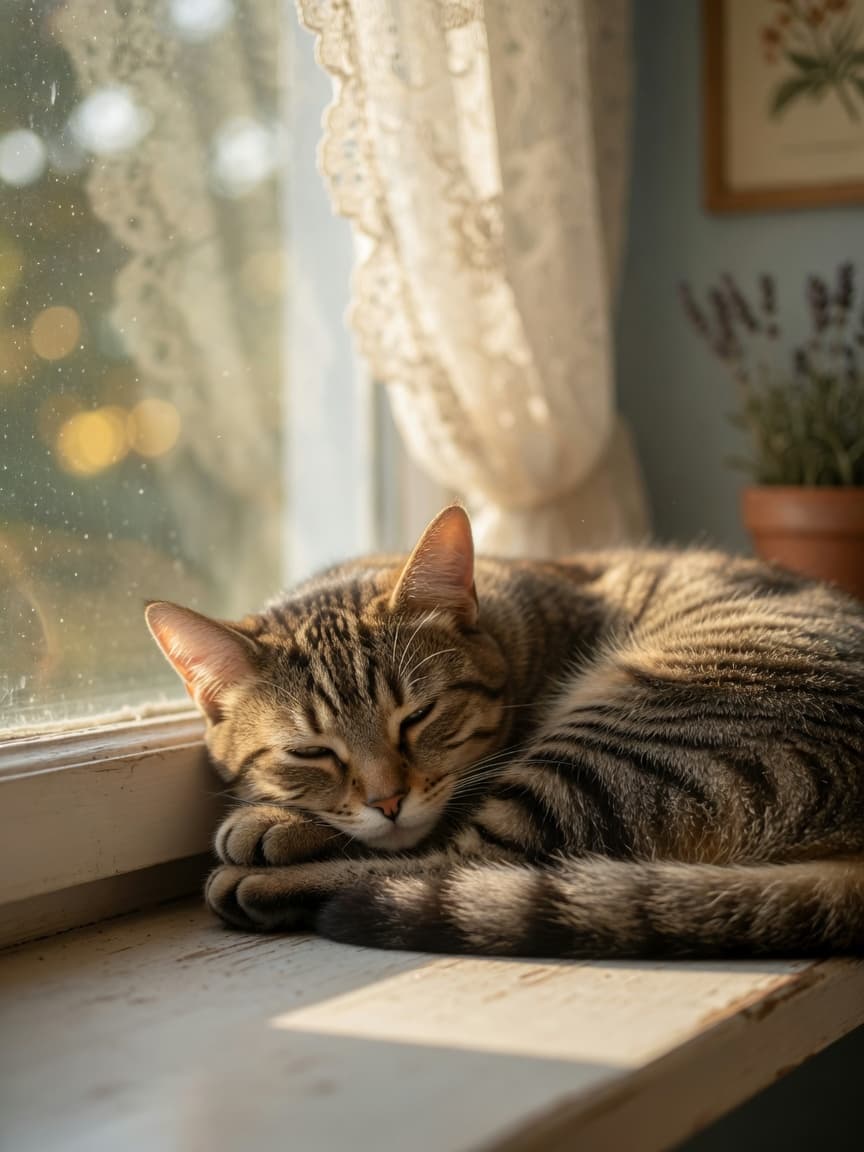
If you've ever wondered why your feline companion seems to spend more time napping than doing anything else, you're not alone. Cats are champion sleepers, spending anywhere from 12 to 16 hours a day resting—and some senior cats even more. This might seem excessive, but it's actually a perfectly normal and healthy behaviour rooted in their evolutionary biology and physiology. Understanding why cats sleep so much can help you better support your pet's wellbeing and recognise when excessive sleep might indicate a health concern.
The Evolutionary Roots of Feline Sleep
To understand your cat's sleeping habits, we need to look back at their wild ancestors. Cats are obligate carnivores, meaning they evolved as hunters who needed to conserve energy between meals. In the wild, a cat might spend hours stalking prey, followed by a quick kill and feast. The remainder of their day was spent resting and digesting their meal. This energy-saving strategy remains hardwired into your domestic cat's behaviour, even though their kibble comes from a bowl rather than a hunt.
Unlike prey animals that must remain vigilant to avoid predators, cats are predators themselves. This allows them to rest during daylight hours without constant vigilance, making their polyphasic sleep pattern (multiple short sleep sessions throughout the day and night) an evolutionary advantage.
The Physiology Behind Extended Rest
Cats' bodies are specifically adapted for intense, short bursts of activity rather than sustained exertion. Their muscles contain a higher proportion of fast-twitch fibres, which are excellent for rapid movements but tire quickly. Sleeping allows their bodies to recover and rebuild these muscle fibres efficiently.
Additionally, cats have higher metabolic rates than many other animals. Sleep helps regulate their metabolism and conserve glucose and glycogen stores. During sleep, particularly deep sleep, their bodies undergo essential cellular repair and immune system strengthening.
Temperature Regulation and Comfort
Another reason cats sleep so much is temperature regulation. Cats maintain a higher body temperature than humans (around 38–39°C), and sleep is an energy-efficient way to maintain this warmth. You'll notice your cat often seeks warm spots—sunny windowsills, heated beds, or cosy blankets—which allows them to sleep longer without expending energy on thermoregulation.
Different Types of Feline Sleep
Not all cat sleep is equal. Research shows cats experience two distinct sleep states:
- Light Sleep (Dozing): Cats spend about 75% of their sleep in a light, alert state where their ears remain active and they can quickly respond to stimuli. You might notice their eyes slightly open or their ears tracking sounds.
- Deep Sleep (REM Sleep): Only about 25% of cat sleep is deep sleep, when their bodies fully relax and dreams occur. This is when their brains process information and consolidate memories.
Age, Activity Level, and Individual Variation
Kittens and senior cats sleep significantly more than adult cats—sometimes up to 20 hours daily. Kittens need extra rest for growth and development, whilst older cats have lower energy levels and may experience age-related health issues that encourage rest.
Indoor cats typically sleep more than outdoor or semi-outdoor cats, as they have fewer environmental stimuli and less opportunity for hunting-type activities. Individual personality also plays a role; some cats are naturally more active whilst others are inherently more sedentary.
When Should You Be Concerned?
Whilst excessive sleeping is normal, a sudden change in your cat's sleep patterns warrants attention. Contact your veterinary surgeon if your cat suddenly sleeps more than usual or shows other changes such as loss of appetite, lethargy during waking hours, or difficulty waking.
Supporting Healthy Sleep
- Provide comfortable, warm resting spots away from household noise
- Maintain a consistent daily routine with regular play sessions
- Ensure adequate environmental enrichment for mental stimulation
- Keep litter trays and water bowls easily accessible
Key Takeaways: Your cat's impressive sleeping schedule isn't laziness—it's a sophisticated evolutionary strategy that keeps them healthy and energised. With 12–16 hours of sleep daily, your feline friend is operating exactly as nature intended. By understanding this natural behaviour and ensuring they have comfortable spaces to rest, you're supporting their optimal health and wellbeing.
```