
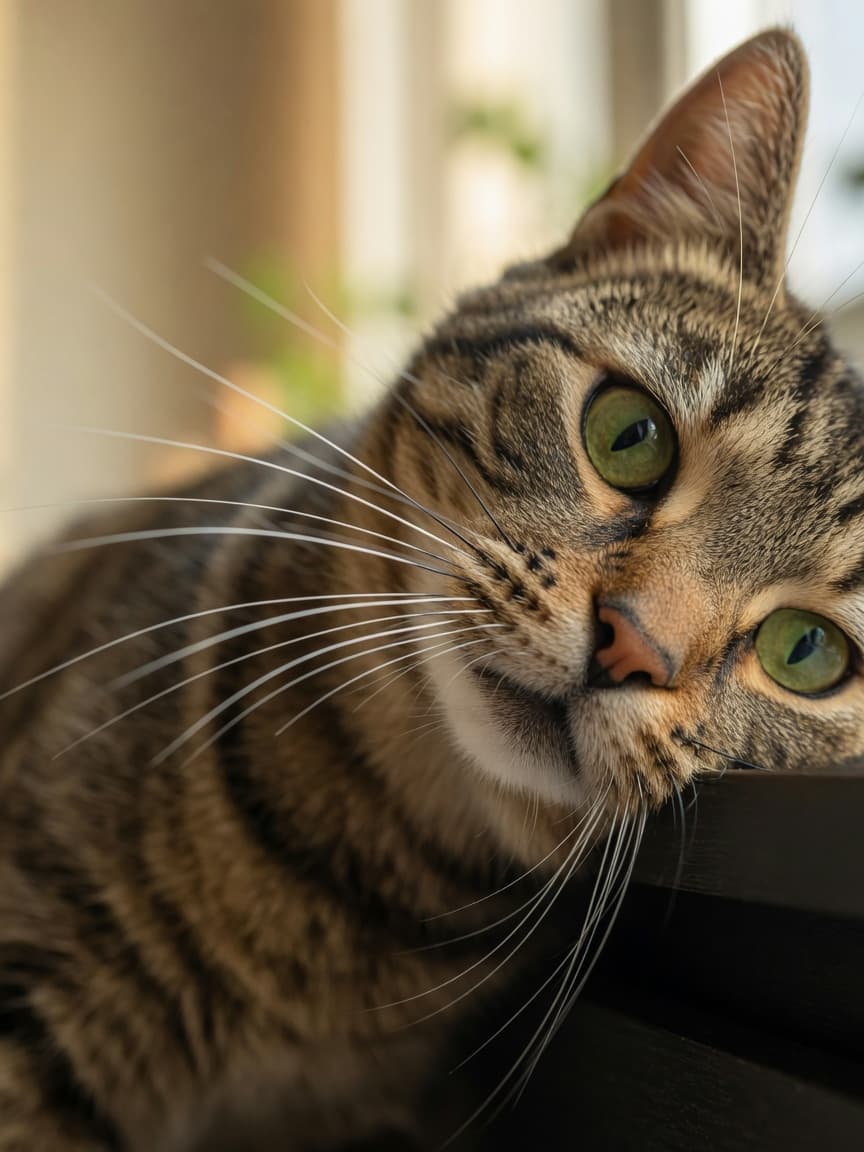
If you've ever watched your cat navigate a dark room with confidence or squeeze through a tight space without hesitation, you've witnessed one of nature's most ingenious sensory tools at work. Cat whiskers aren't simply decorative facial hair—they're sophisticated biological sensors that play a crucial role in how your feline friend perceives and interacts with the world. Understanding the science behind these remarkable structures can help you appreciate just how remarkable your cat truly is.
The Science Behind Feline Whiskers
Whiskers, or vibrissae as they're known scientifically, are much more than ordinary hairs. Each whisker is a specialised tactile organ embedded deep within your cat's skin, connected to highly sensitive nerve endings and blood vessels. These sensory hairs contain proprioceptors—specialised sensory cells that detect the slightest vibrations and movements in the air.
What makes whiskers particularly remarkable is their structure. Unlike regular fur, each whisker is rooted in a follicle surrounded by sensory nerves. When a whisker touches something or detects changes in air pressure, these nerves immediately send signals to your cat's brain, creating a detailed three-dimensional "picture" of their surroundings. This sensory input is processed incredibly rapidly, allowing cats to react within milliseconds.
Primary Functions of Whiskers
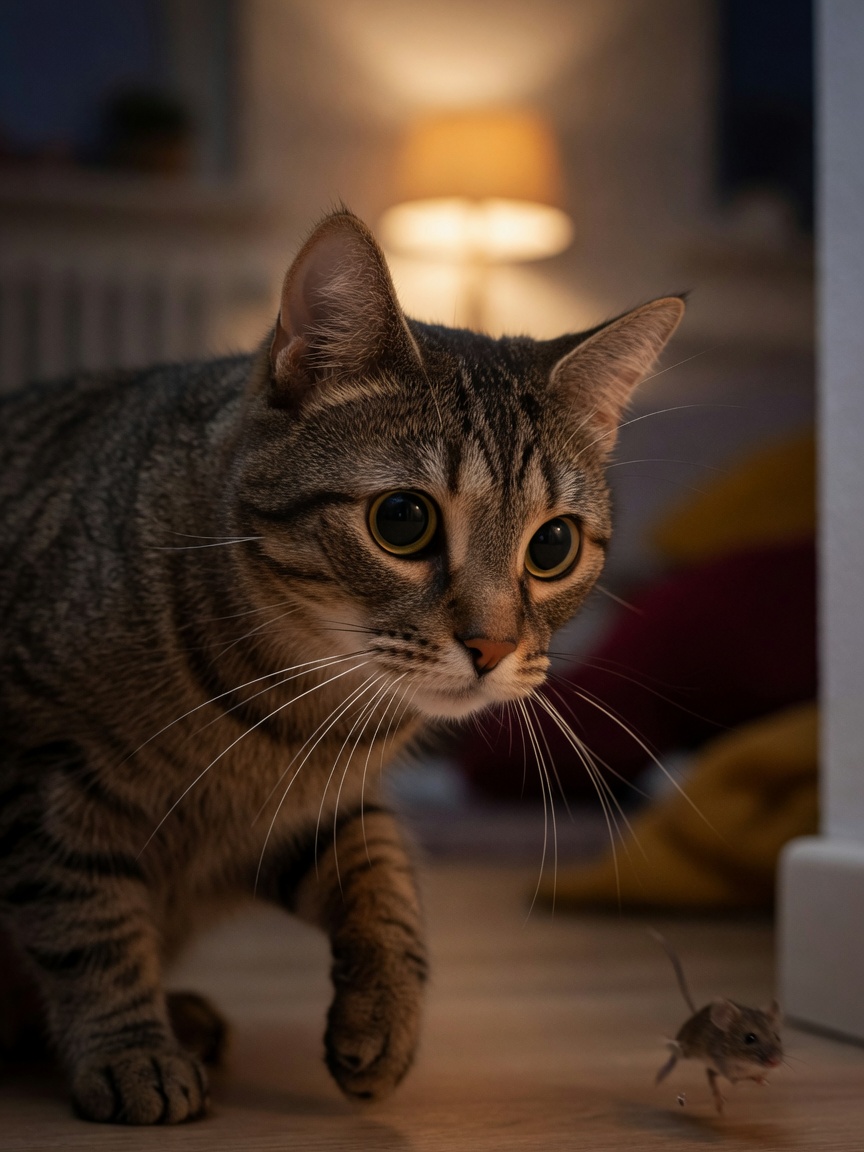
Your cat's whiskers serve several critical purposes:
- Navigation and spatial awareness: Whiskers help cats determine whether they can fit through tight spaces by measuring openings relative to their body width. This is why cats rarely get stuck!
- Low-light vision assistance: In darkness, whiskers compensate for reduced visual capability, allowing cats to move confidently in environments where humans would stumble
- Hunting and prey detection: Whiskers detect minute vibrations created by potential prey, helping cats locate food with remarkable precision
- Balance and coordination: Whiskers contribute to proprioception, helping cats maintain their famous agility and righting reflex
- Emotional expression: A cat's whisker position can indicate their emotional state—forward whiskers suggest curiosity or contentment, whilst pulled-back whiskers may signal fear or aggression
Whisker Loss and Growth
It's completely normal for cats to shed whiskers periodically, much like they shed their regular fur. A healthy cat will lose and regrow whiskers throughout their lifetime. However, excessive whisker loss can indicate stress, nutritional deficiencies, or underlying health conditions, so it's worth monitoring.
Whiskers typically grow back within a few weeks, but you may notice your cat behaving more cautiously during this period. This is perfectly normal—they're temporarily missing crucial sensory feedback and are naturally more careful until their whiskers fully regenerate.
Common Whisker-Related Concerns
You should never trim or pluck your cat's whiskers. Doing so can disorient them, cause stress, and impair their ability to navigate safely. Additionally, avoid applying products or forcing your cat's whiskers into positions they wouldn't naturally adopt, as this can damage the sensitive nerve endings.
If you notice your cat's whiskers appear broken, discoloured, or are falling out excessively, consult your veterinary surgeon. These signs may indicate nutritional issues, allergies, or stress-related conditions requiring professional attention.
Key Takeaways
- Whiskers are sophisticated sensory organs, not mere decorative features
- They enable cats to navigate, hunt, and maintain balance with exceptional precision
- Never trim or manipulate your cat's whiskers unnecessarily
- Excessive whisker loss warrants veterinary investigation
- Whisker position can reveal your cat's emotional state and intentions
Understanding why cats have whiskers deepens your appreciation for their remarkable sensory capabilities. These specialised structures represent millions of years of evolutionary refinement, making cats the efficient, graceful hunters we know and love. By respecting and protecting your cat's whiskers, you're supporting their natural abilities and wellbeing.