
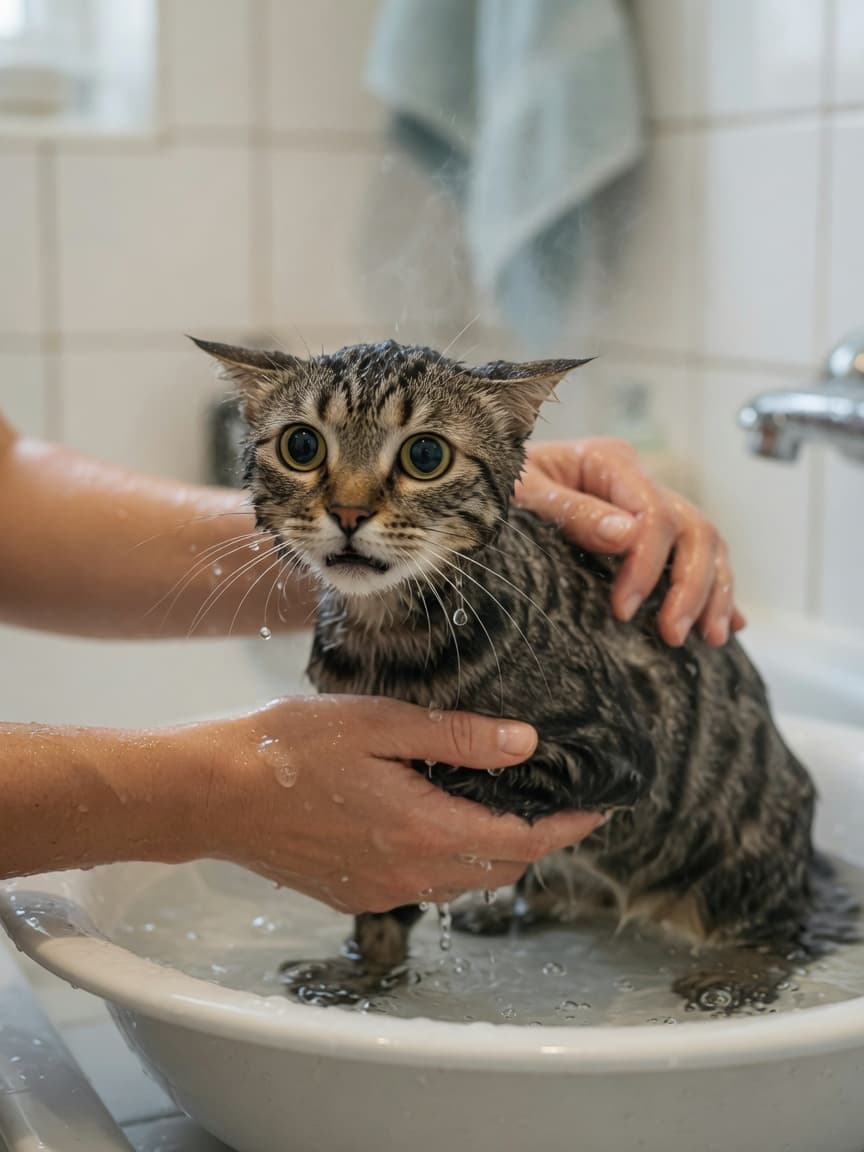
If you've ever attempted to bathe your cat, you've likely experienced the dramatic resistance, hissing, and desperate escape attempts that follow. This reaction isn't mere stubbornness – it's rooted in feline biology, instinct, and sensory preferences. Understanding why cats dislike water can transform bath time from a battleground into a manageable, even calm experience. Whether you're preparing for a necessary wash or simply curious about your cat's behaviour, this guide explores the science behind feline water aversion and provides practical strategies to make the process easier for both of you.
1. Their Fur Isn't Designed for Water
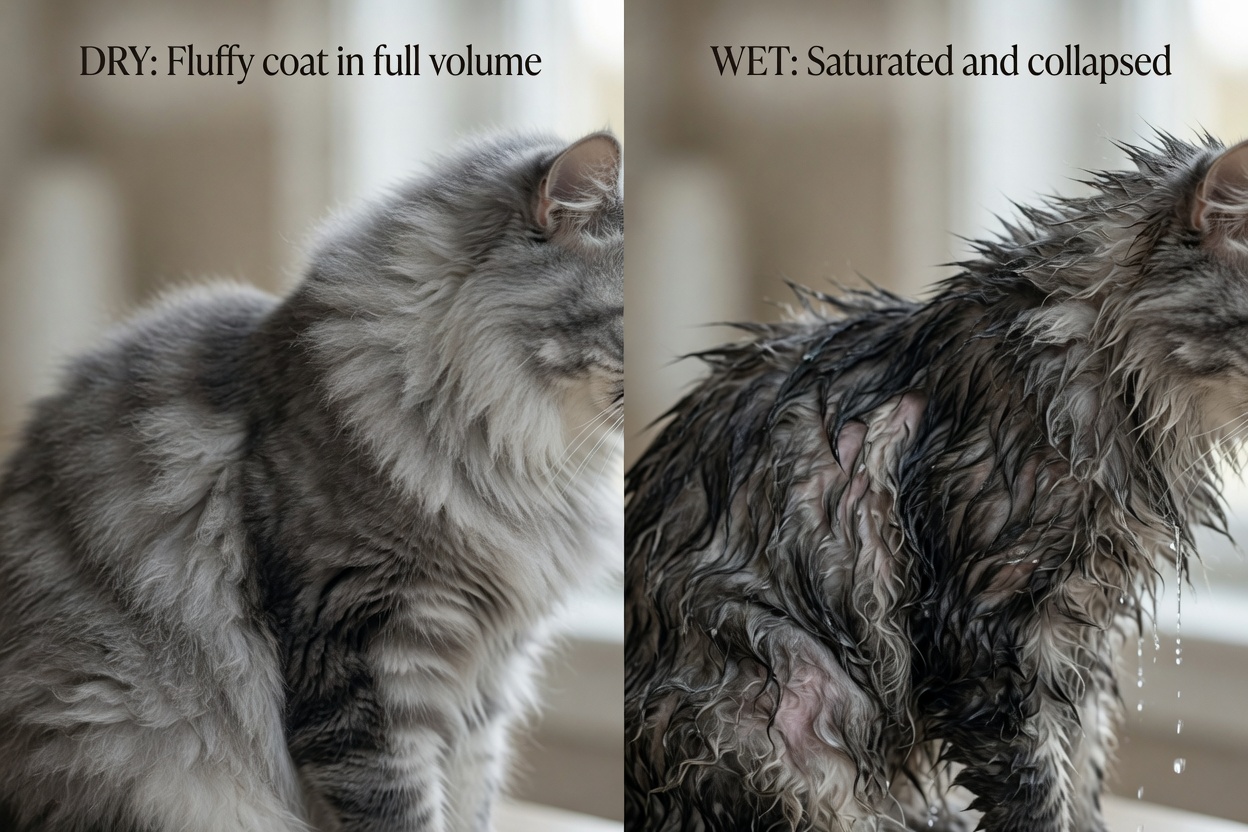
Unlike dogs, cats have evolved with fur that isn't water-resistant. Their coat lacks the dense undercoat found in water-loving canines, and their fur structure traps water close to the skin rather than shedding it. When wet, a cat's fur becomes heavy, cold, and loses its insulating properties – making them feel vulnerable and uncomfortable. This is particularly problematic because cats are meticulous self-groomers, and wet fur requires extensive drying and grooming that feels unnatural and unpleasant to them.
2. Loss of Scent and Territory Marking
Cats rely heavily on scent for identity and security. Their natural oils carry individual scent markers that they've carefully cultivated through grooming. Water strips away these oils, leaving your cat feeling exposed and unrecognisable – both to themselves and to their environment. For cats, scent is territory, safety, and self-identity all rolled into one. Losing it is genuinely distressing.
3. Lack of Control and Unpredictability
Cats are control-oriented animals who prefer to understand and manage their environment. Water's unpredictability – splashing, temperature changes, and the inability to escape easily – triggers their stress response. They cannot predict water's behaviour, which makes them feel vulnerable and anxious.
4. Sensitive Ears and Eyes
Most cats have aversion to water entering their ears and eyes, which is both uncomfortable and potentially dangerous. Water in the ears can lead to ear infections if not properly dried, and this instinctive worry is entirely valid.
5. Negative Past Experiences
A single frightening bath experience can create lasting water anxiety. If your cat has been roughly handled during bathing or water has gone up their nose, they'll remember and resist future attempts.
Practical Tips for Bath Time Success
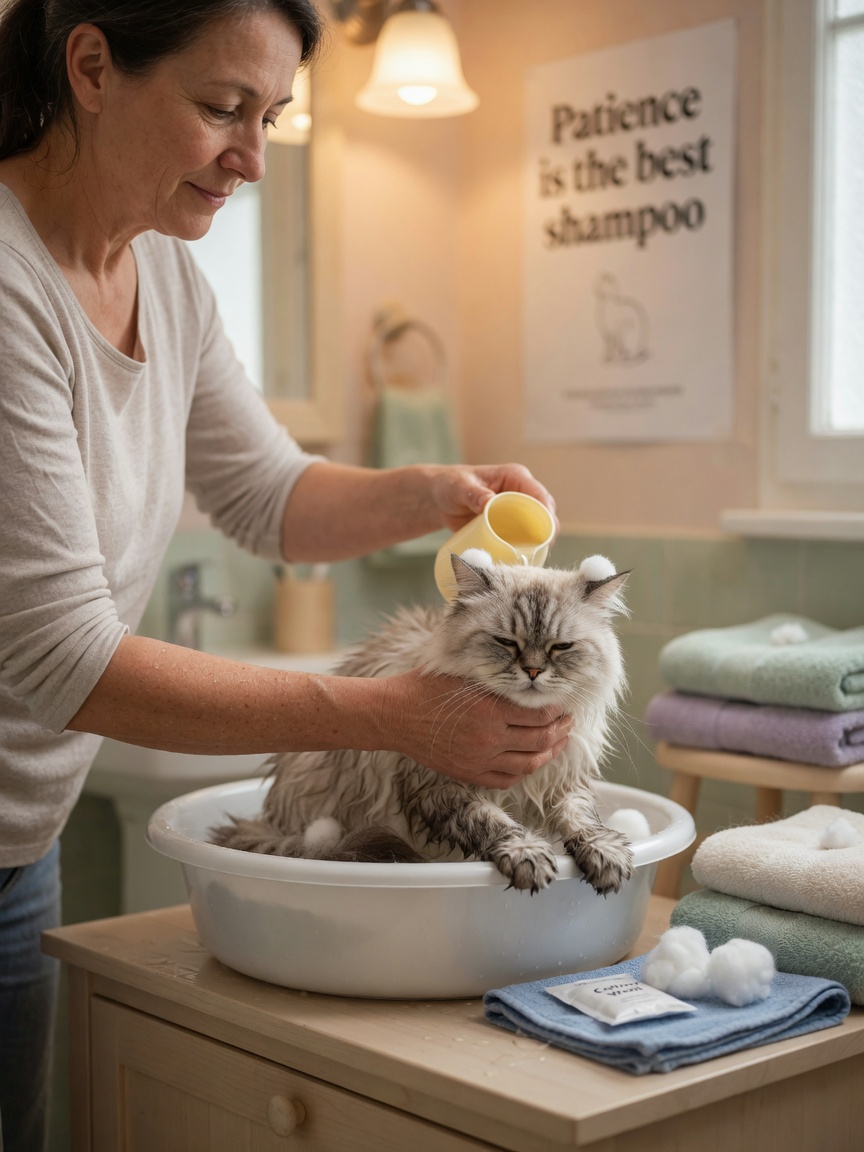
When bathing becomes necessary – such as after a particularly messy incident or before showing – consider these evidence-based strategies:
- Use lukewarm water: Test temperature on your inner wrist first. Water that's too hot or cold increases stress significantly
- Start small: Begin with paws only, gradually introducing water to the body over multiple sessions
- Protect sensitive areas: Use cotton wool gently in ears and avoid spraying the face. Use a damp cloth instead
- Have everything prepared: Gather towels, shampoo, and supplies beforehand to minimise time in water
- Use cat-specific products: Human shampoos can irritate their skin; always use formulations designed for cats
- Stay calm: Cats sense your anxiety. Maintaining a relaxed, gentle demeanour helps them stay calmer
- Keep sessions brief: Five minutes maximum is ideal for most cats
- Provide positive reinforcement: Treats and praise during and after bathing create positive associations
- Consider waterless alternatives: Dry shampoos and grooming wipes are gentler options for routine cleaning
When Professional Help Is Best
For particularly anxious cats or those requiring regular baths due to medical conditions, professional groomers experienced with feline behaviour are invaluable. They have specialised equipment and techniques to minimise stress whilst ensuring thorough cleaning.
Key Takeaways
Understanding your cat's water aversion as a natural response rather than obstinacy makes the situation more manageable. Most cats don't actually need regular baths – their self-grooming is remarkably effective. Reserve bathing for genuine necessity, prepare thoroughly, keep sessions brief and gentle, and remember that patience is far more effective than force. By respecting your cat's instinctive preferences whilst recognising when bathing is genuinely necessary, you'll maintain both your cat's physical health and your relationship.