
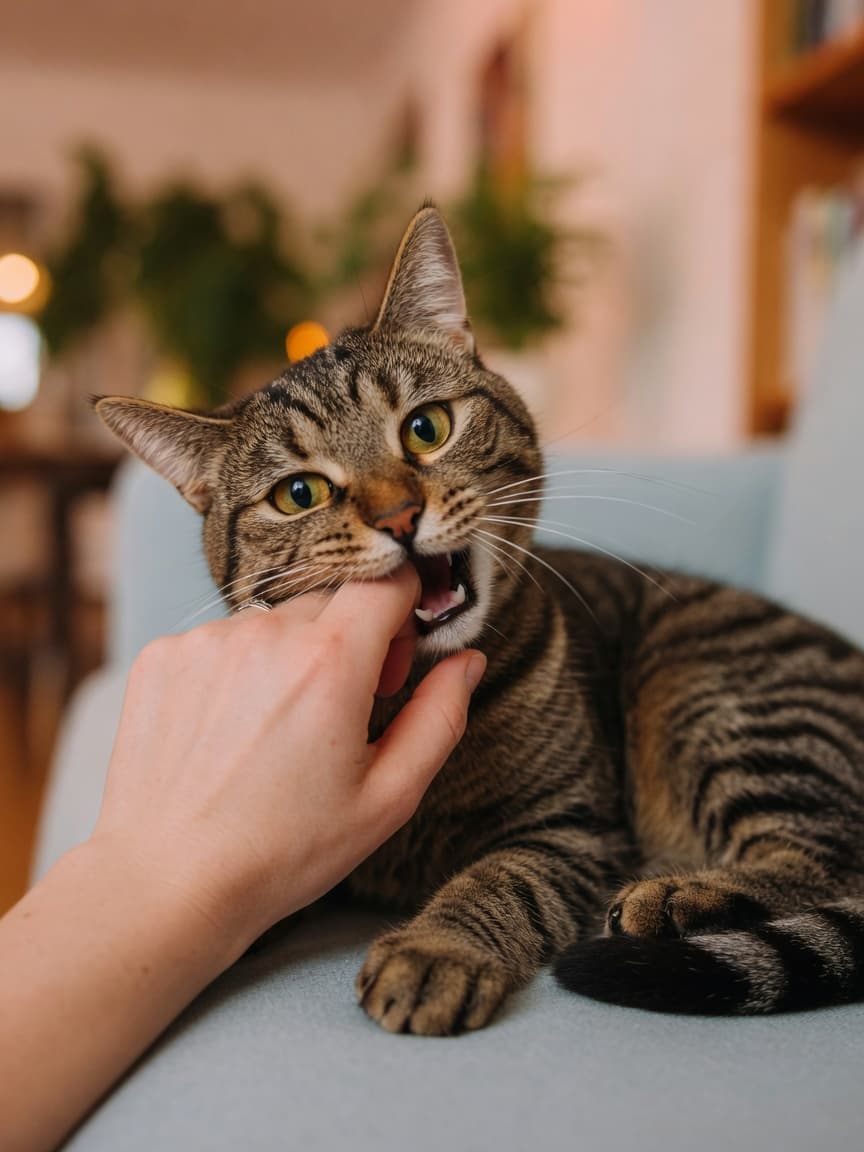
If you've ever been on the receiving end of a sharp bite from your beloved feline, you're not alone. Cat bites can be startling and sometimes painful, but they're rarely acts of pure aggression. Rather, biting is a natural form of communication for cats—a way they express everything from playfulness to discomfort. Understanding the reasons behind your cat's biting behaviour is the first step towards building a healthier, happier relationship with your pet. In this guide, we'll explore the most common causes of cat bites and provide practical strategies to reduce or eliminate this behaviour.
Natural Communication and Play Behaviour
Cats bite during play because it's how they've learned to interact since kittenhood. When kittens play with littermates, gentle biting and wrestling help them develop hunting skills and learn appropriate force control. However, when your cat directs this play-biting towards your hands and fingers, it can become uncomfortable.
- Kittens often bite harder than older cats during play sessions
- Indoor cats may rely more heavily on play-biting since they lack outdoor stimulation
- Play-related biting typically occurs during evening hours when cats are most active
If your cat bites during play, redirect their energy towards appropriate toys instead of your hands. Use wand toys, feather teasers, or balls that allow your cat to engage their hunting instincts safely.
Signs of Fear, Stress, or Overstimulation
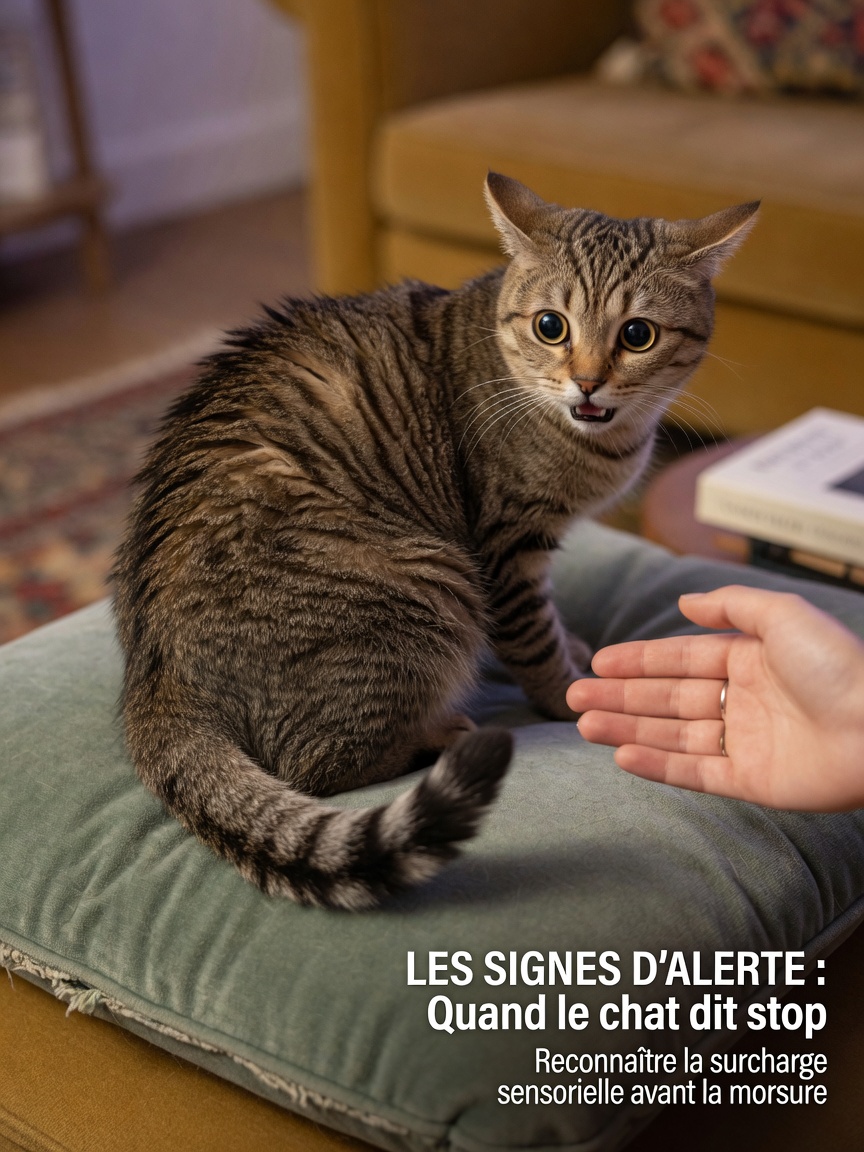
Not all cat bites stem from playfulness. Many bites occur when cats feel threatened, stressed, or overstimulated. Understanding your cat's warning signs can help you prevent bites before they happen.
Common stress signals include:
- Flattened ears against the head
- Dilated pupils
- Twitching or thrashing tail
- Growling or hissing
- Skin rippling along the back
If you notice these signs, give your cat space immediately. Overstimulation can occur during petting sessions—some cats reach their tolerance threshold quickly and will bite to communicate "that's enough." Always observe your cat's body language during interaction.
Medical Issues and Pain
A sudden change in biting behaviour, especially if your cat wasn't previously prone to biting, may indicate an underlying health problem. Cats in pain often become defensive and may bite when touched in sensitive areas.
Conditions that commonly cause defensive biting include:
- Dental disease or tooth pain
- Arthritis or joint pain
- Ear infections or skin irritation
- Urinary tract infections
- Neurological conditions
If your cat's biting behaviour changes suddenly or persists despite environmental adjustments, consult your veterinary surgeon. A thorough health check can rule out medical causes.
Territorial Behaviour and Aggression
Some cats are naturally more territorial and may bite to establish boundaries or assert dominance. This is particularly common in unneutered male cats and cats living in multi-cat households.
Environmental enrichment can help reduce territorial biting:
- Provide multiple resources (litter trays, water bowls, sleeping areas) to reduce competition
- Create vertical spaces using cat trees so cats can retreat and observe safely
- Ensure each cat has their own hiding spots away from other pets
- Use pheromone diffusers to create a calming environment
Practical Strategies to Reduce Biting
- Never use your hands as toys: Always use toys on wands or strings instead
- Establish boundaries: Stop playing immediately if your cat bites, removing attention as a consequence
- Provide regular play sessions: Aim for two to three 10-15 minute sessions daily to burn energy
- Avoid petting sensitive areas: Most cats dislike being touched on their belly, paws, or tail base
- Maintain a consistent routine: Predictability reduces stress and anxiety
- Consider interactive toys: Puzzle feeders and treat-dispensing toys provide mental stimulation
Key Takeaways
Cat biting is a normal behaviour, but it can be managed effectively through patience and understanding. Most biting stems from play, overstimulation, or communication rather than aggression. By recognising your cat's triggers, respecting their boundaries, and providing appropriate outlets for their natural instincts, you can significantly reduce biting incidents. Remember: if your cat's behaviour changes suddenly or seems excessive, always consult your veterinary surgeon to rule out health issues. With consistency and compassion, you and your feline friend can enjoy a bite-free relationship.