
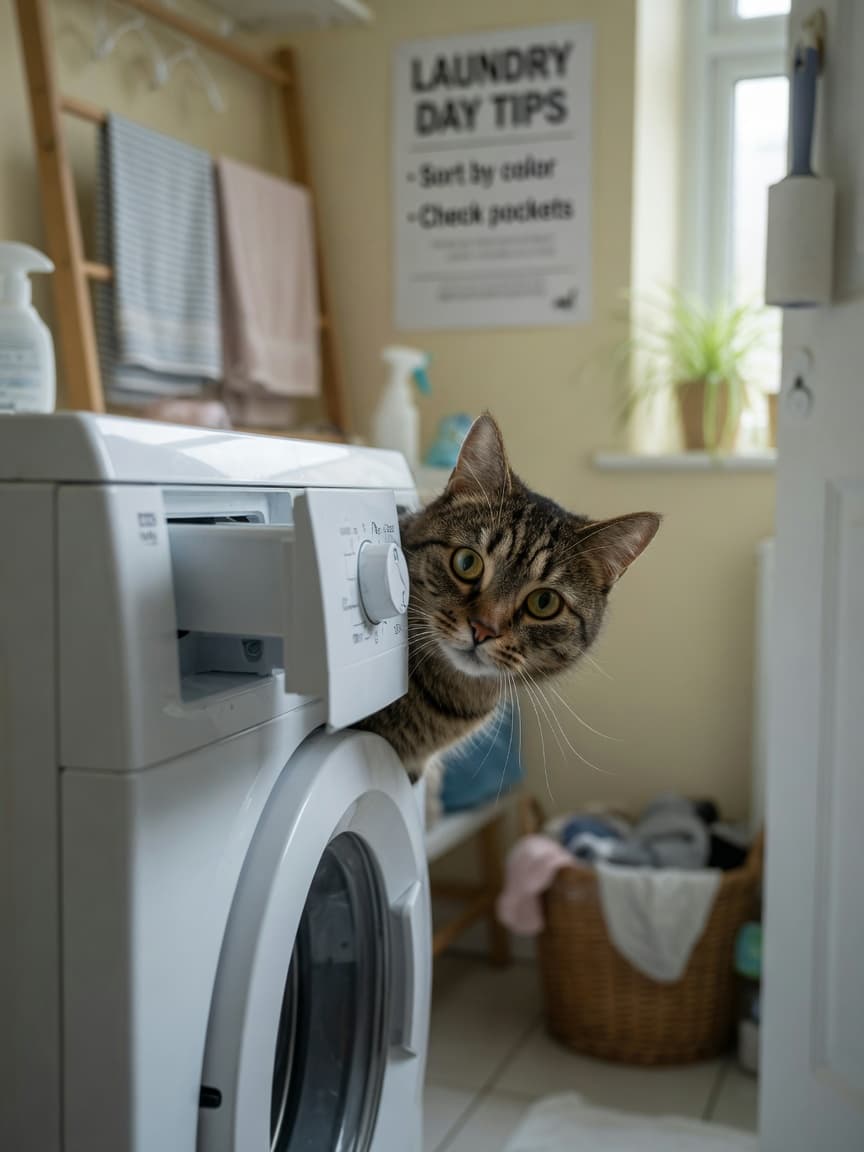
Why Cats Hide: Normal Behaviour, Stress Signals and When to Worry
Finding your cat wedged behind the washing machine, squeezed under the bed, or sitting motionless inside a wardrobe is a familiar experience for many cat owners. Sometimes it is entirely unremarkable. Other times, it is one of the most important warning signs your cat can give you. The challenge is knowing which is which — and understanding why cats hide in the first place is essential to making that distinction accurately.
Hiding as Normal Feline Behaviour
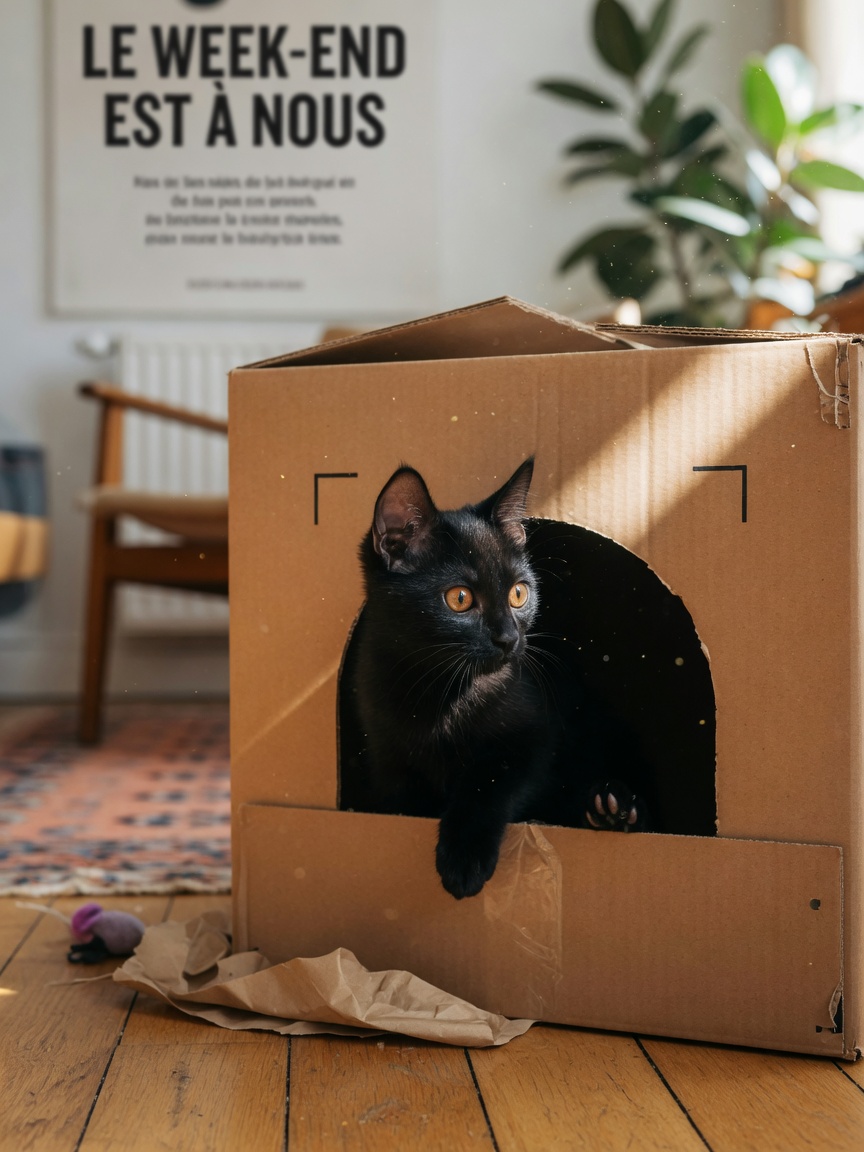
Cats are simultaneously predators and prey animals. In the wild, concealment serves two purposes: it allows them to stalk prey without being detected, and it protects them from larger predators. This dual evolutionary pressure means that hiding is deeply wired into feline behaviour — it is not a sign of a poorly adjusted cat, and it does not mean anything is wrong.
Most cats will hide when faced with novel or overwhelming stimuli. A cat encountering a new environment — after a house move, when visiting the vet, or on arriving in a new home — will almost certainly seek a concealed space immediately. This is a coping mechanism, not a personality flaw. Giving the cat time, space, and access to hiding spots without forcing interaction is the correct response. Attempting to coax or retrieve the cat typically prolongs the hiding rather than resolving it.
Common triggers for normal, temporary hiding include: visitors to the home, loud noises such as fireworks or building works, the arrival of a new baby or pet, changes in routine, rearranged furniture, or any significant alteration to the household environment. In these situations, hiding usually resolves within hours or a day or two once the cat has had time to reassess the situation.
Hiding as a Stress Indicator
When hiding is triggered by chronic stressors rather than acute events, it can persist for longer periods and indicate that the cat's overall welfare needs attention. The International Society of Feline Medicine (ISFM) cat-friendly home guidelines specifically recommend providing dedicated hiding spaces as a core component of feline environmental enrichment — not to encourage hiding, but to give cats a sense of control over their environment. A cat that has access to a safe retreat is less likely to remain hidden indefinitely, because they know the option is available to them.
Hiding spaces should be available at both ground level and at height. An enclosed igloo bed, a cardboard box with a cut-out entrance, the interior of a cat tree with covered platforms, or a shelf with sides are all appropriate. These should be distributed around the home rather than confined to one room.
Chronic stress triggers that can drive persistent hiding include: the ongoing presence of another cat the resident cat does not get along with, a new pet or person they have not yet accepted, persistent noise or disruption, or insufficient resources such as feeding stations, litter trays, and resting areas being shared in ways the cat finds threatening. Addressing the root cause, rather than simply providing more hiding spots, is the long-term solution.
When Hiding Signals Illness: A Critical Distinction
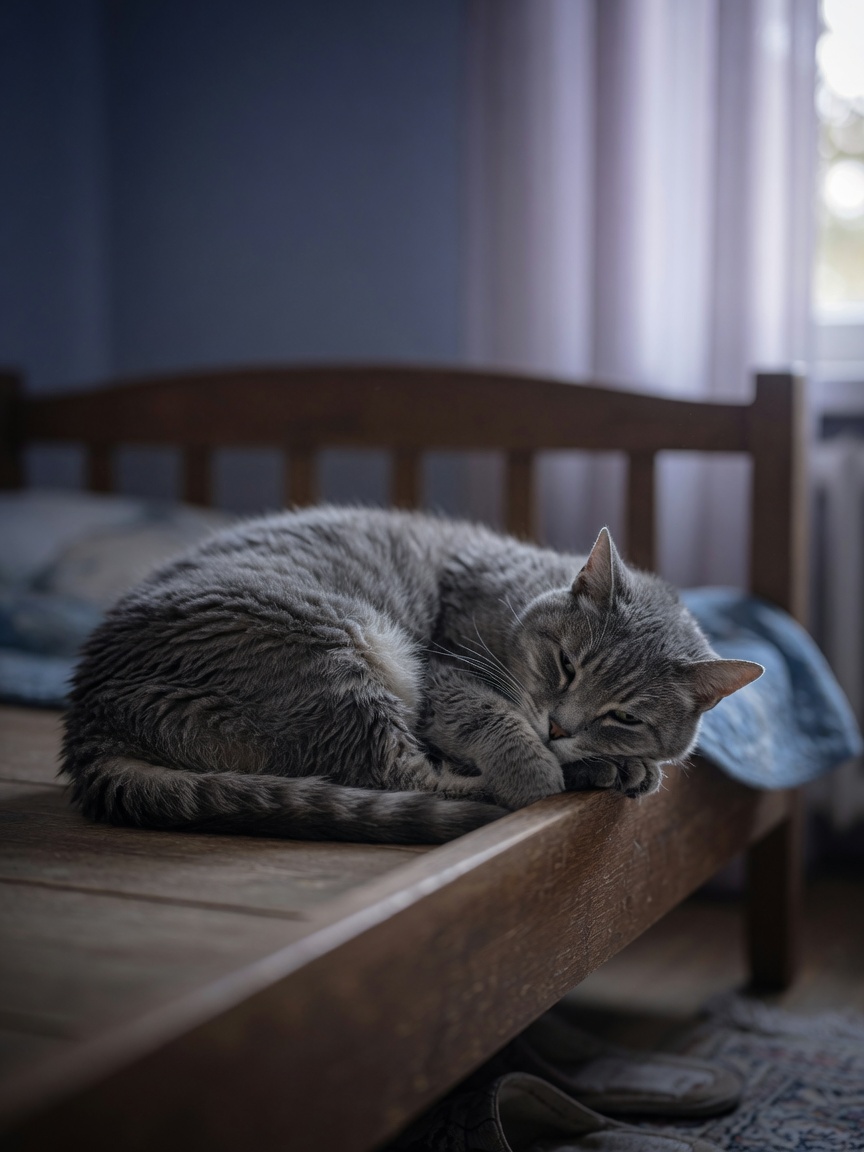
This is the most important section of this article. A cat that is hiding due to illness may initially look no different from a cat hiding due to stress — and that is the problem. Cats have a powerful instinct to conceal signs of weakness. This is a survival mechanism inherited from wild ancestors for whom appearing vulnerable could attract predators or rivals. As a result, by the time a sick cat's illness becomes visually obvious, it has often been going on for some time.
A cat that suddenly hides more than usual — particularly one that was previously sociable or present — should be regarded with concern. The hiding itself is not diagnostic, but in combination with any of the following signs, it should prompt a veterinary appointment without delay:
- Reduced appetite or complete refusal to eat for more than 24 hours
- Changes in litter tray use — going more or less frequently, straining, blood in urine or faeces
- Lethargy beyond the level typical for that individual cat
- Changes in grooming — either stopping or over-grooming
- Vomiting, especially repeatedly or with blood
- Visible signs of discomfort — hunched posture, reluctance to jump, flinching when touched
- Changes in breathing rate or open-mouth breathing
- Unusual vocalisation, or conversely, complete silence from a cat that normally communicates
Common Illness-Related Causes of Hiding
Several medical conditions are particularly associated with hiding behaviour. Dental pain is among the most commonly overlooked — cats rarely show obvious signs of toothache, but chronic oral pain can cause a cat to withdraw significantly. Musculoskeletal pain, whether from arthritis in older cats or from injury, similarly drives hiding behaviour, as does abdominal pain from conditions affecting the digestive system, liver, or kidneys.
Nausea from any cause will lead a cat to seek a quiet, dark space. Fever, regardless of origin, produces the same withdrawal response. Hyperthyroidism — common in cats over ten years of age — can paradoxically produce both hyperactivity and periods of hiding, and is frequently missed in its early stages. Chronic kidney disease, one of the most prevalent conditions in older cats, often presents with increased hiding as one of its early signs. Sadly, cancer can also present this way, which is why any sudden and unexplained change in hiding patterns warrants veterinary investigation.
What Not to Do
Do not attempt to drag a hiding cat from their refuge. This increases their stress significantly, damages trust, and makes examination more difficult for the vet if the cat subsequently needs one. Instead, observe. Note when the hiding started, whether it coincided with any event, and whether any of the additional warning signs listed above are present. If in doubt, telephone your vet and describe the behaviour — they can advise on whether an urgent appointment is needed.
When to Contact the Vet Immediately
There are specific combinations of signs that should prompt same-day veterinary contact rather than a wait-and-see approach. Contact your vet immediately if your cat is hiding and has not eaten for 24 hours, if they are hiding alongside repeated vomiting, if you notice any sign of obvious pain or distress, or if the cat is hiding and shows any change in breathing. In male cats especially, hiding combined with straining to urinate or producing no urine is an emergency requiring immediate veterinary attention.
The key principle is this: a short period of hiding after a clear trigger is usually nothing to worry about. Hiding that is out of character, persistent, or accompanied by any change in the cat's physical condition is always worth a call to your vet. Cats do not exaggerate — if something has changed noticeably, take it seriously.