
Did you know that your cat experiences the world of flavour quite differently than you do? Whilst we humans can savour five distinct tastes, our feline companions are missing out on one entirely. Understanding what cats can and cannot taste isn't just fascinating from a scientific perspective—it explains their eating behaviours, preferences, and even why they might turn their noses up at foods you'd expect them to enjoy. Let's explore the remarkable differences between feline and human taste perception.
The Five Basic Tastes: Where Cats Fall Short
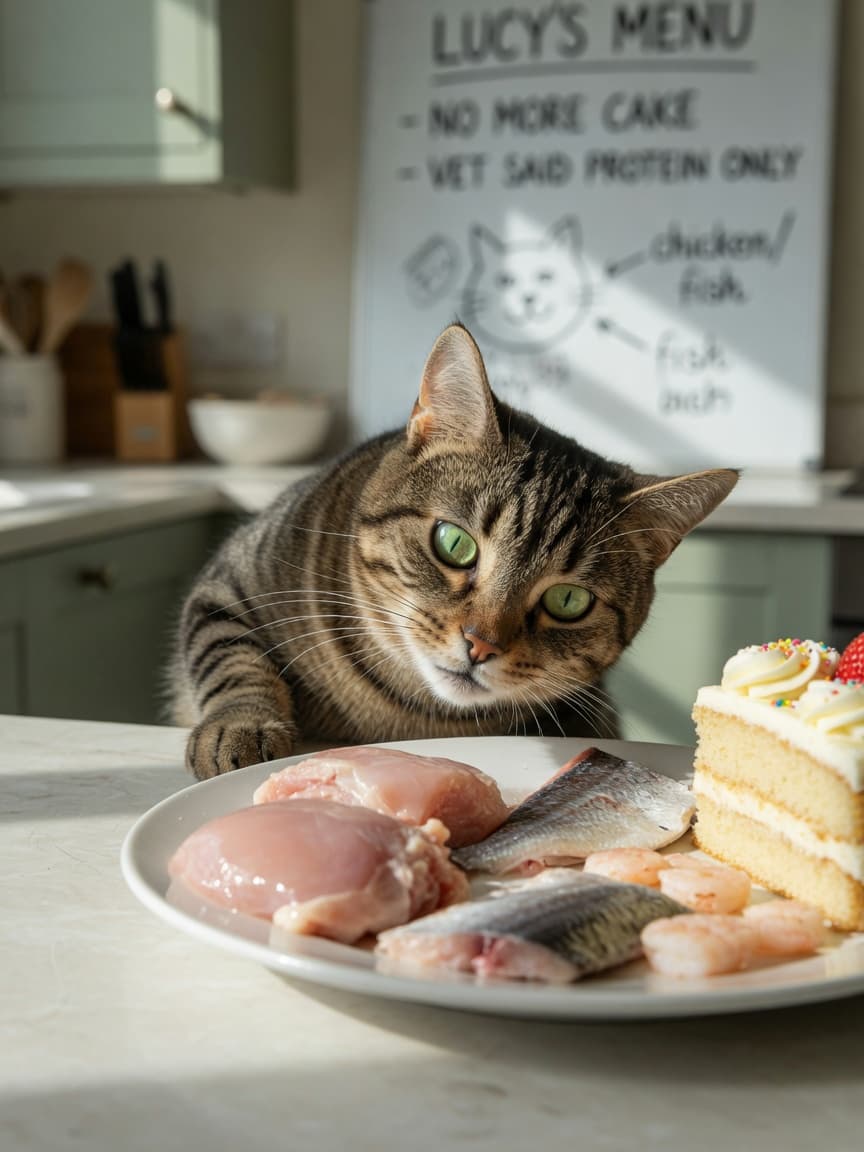
Humans recognise five fundamental tastes: sweet, salty, sour, bitter, and umami. Cats, however, are missing one crucial taste receptor entirely—the ability to taste sweetness. This isn't a defect; it's an evolutionary adaptation. Unlike humans, cats are obligate carnivores, meaning their bodies are designed exclusively for consuming meat. Since meat contains no natural sweetness, felines never developed the genetic coding for sweet taste receptors.
This explains why your cat shows absolutely no interest in desserts, sweets, or sugary treats that humans find irresistible. When a cat licks an ice cream cone, they're not tasting sweetness—they're likely responding to the fat content, texture, or temperature.
Tastes Cats Can Experience
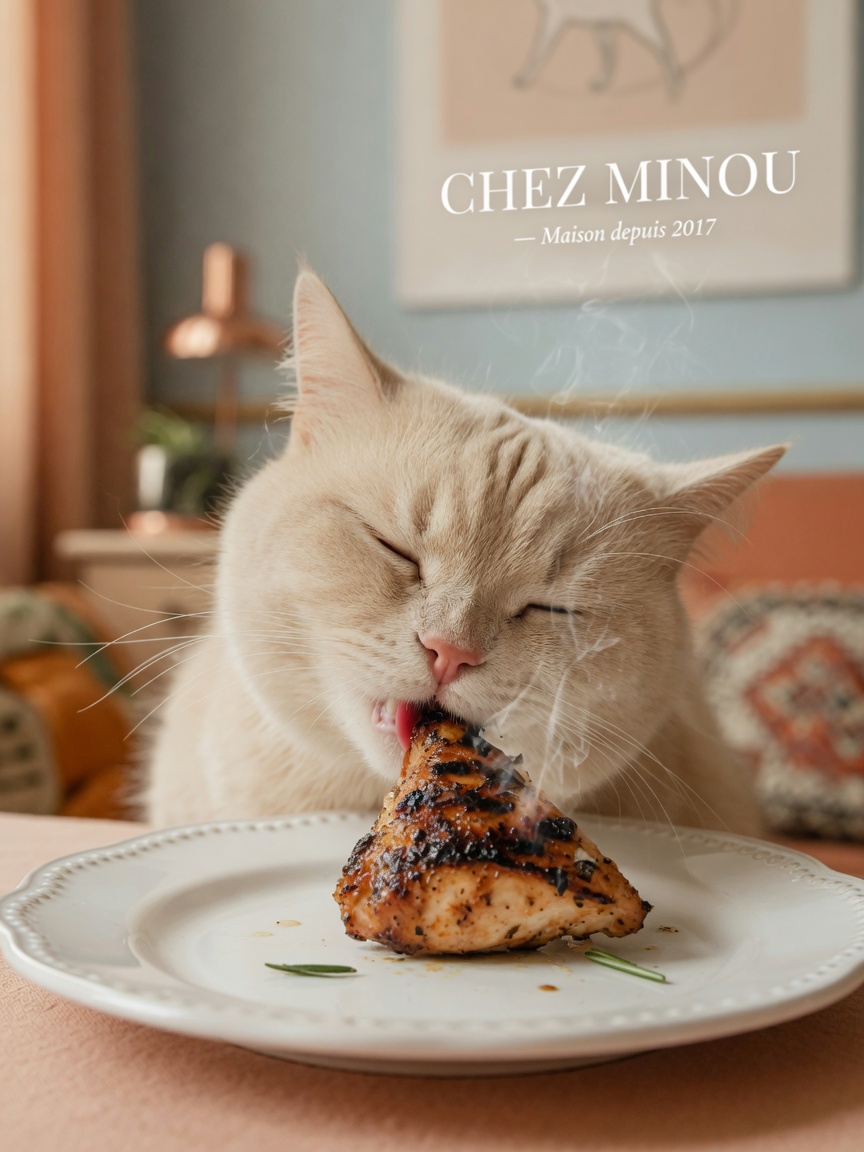
- Umami: Often called the "savoury" taste, umami is particularly important for cats. They have a heightened sensitivity to umami, which comes from amino acids like glutamate and nucleotides found in meat. This is why cats gravitate towards protein-rich foods.
- Salty: Cats can detect salt, though they don't require added sodium in their diet. Their natural prey contains sufficient minerals for their needs.
- Sour: Cats can taste acidity and typically avoid sour foods, likely a protective mechanism against spoiled prey.
- Bitter: Cats have taste receptors for bitterness, which may help them avoid toxic substances in nature.
Why Your Cat Rejects Sweet Foods
If you've ever offered your cat a bite of cake or tried to sneak medicine into a honey-based treat, you've probably witnessed their dramatic rejection. This isn't stubborn behaviour—it's genuine sensory confusion. Your cat doesn't taste sweetness, so sweet foods may simply taste bland or unpleasant to them. Some sweet foods can also be harmful to cats, containing ingredients like xylitol or chocolate that are toxic to felines.
Implications for Your Cat's Diet
Understanding feline taste perception helps you make better nutritional choices for your pet. Cats need diets rich in high-quality proteins and umami-rich ingredients. Rather than assuming your cat wants variety like humans do, recognise that cats prefer consistency and flavours that appeal to their natural carnivorous instincts.
When selecting commercial cat food, look for named meat sources and natural umami enhancers rather than artificial flavouring agents designed to appeal to human preferences. These ingredients will genuinely satisfy your cat's palate.
Practical Tips for Feeding Your Feline
- Avoid offering human foods, particularly sweet treats—they won't appeal to your cat anyway
- Focus on high-protein, meat-based cat foods that match their natural dietary needs
- If your cat shows little interest in food, consider the quality of umami flavours rather than adding sweeteners
- Remember that texture and temperature matter more to cats than sweetness
- Consult your veterinarian about appropriate treats that align with feline taste preferences
Key Takeaways
Cats cannot taste sweetness, and that's perfectly normal for their species. Rather than viewing this as a limitation, understand it as evidence of their specialised nature as obligate carnivores. By respecting your cat's unique taste preferences and nutritional needs, you'll provide better nutrition and potentially improve their dining enthusiasm. Accept that your cat's world of flavour is simply different from yours—and that's exactly how evolution intended it to be.