
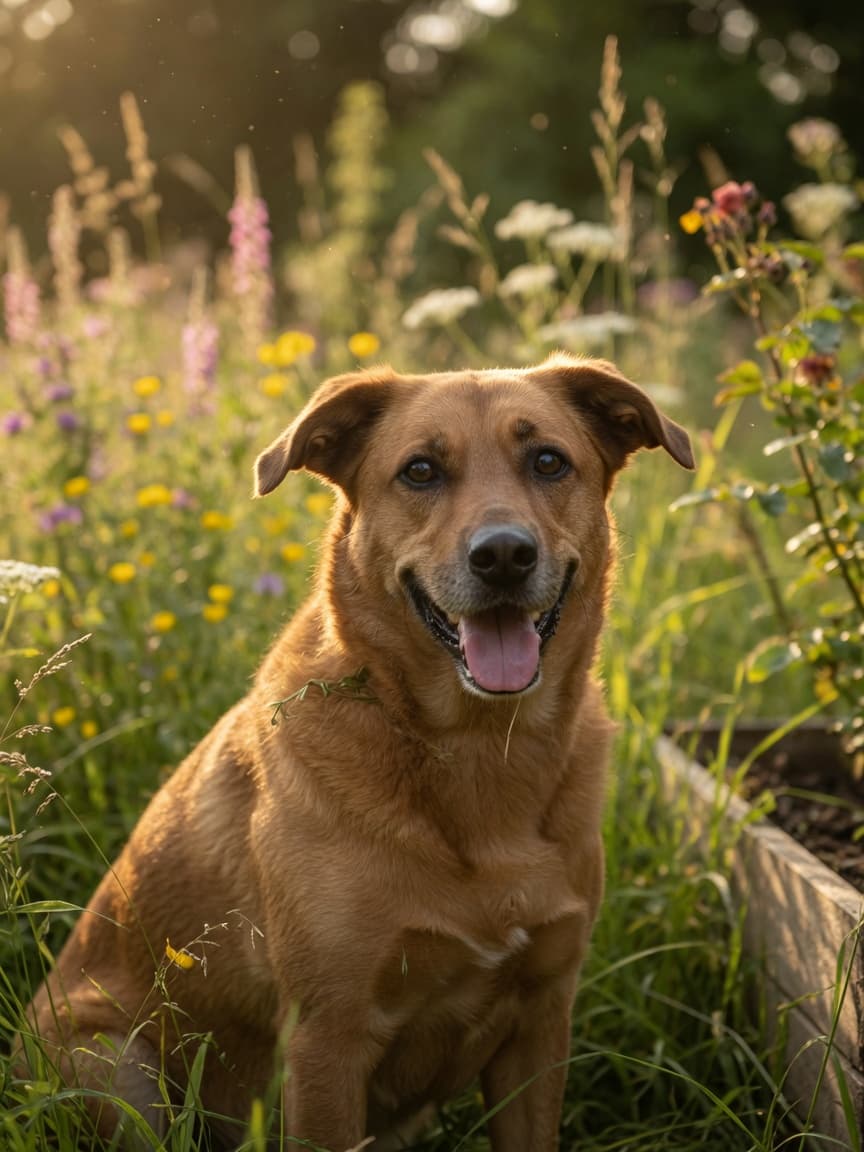
Panting is one of the most common behaviours you'll see in your dog, and in most cases, it's completely normal. Whether your dog has just finished a game of fetch or is cooling down on a warm day, panting is their body's way of regulating temperature. However, not all panting is created equal, and learning to distinguish between normal panting and a sign of trouble could save your dog's life. As a certified animal nutritionist, I've seen countless concerned pet owners who weren't sure whether their dog's panting warranted a vet visit. Let me help you understand when you should relax and when you should reach for the phone.
Normal Panting: What's Healthy?
Dogs don't sweat like humans do. Instead, they rely almost exclusively on panting to dissipate heat through evaporation in their mouth and airways. Normal panting occurs during or after exercise, in warm environments, or when your dog is excited or anxious.
Healthy panting typically involves:
- Regular, rhythmic breathing with open mouth
- Normal tongue colour (pink, not pale or blue)
- Ability to stop quickly once the trigger (heat or exercise) is removed
- No associated coughing, wheezing, or unusual sounds
- Your dog remaining alert and responsive
If your dog pants after a walk and settles down with water and rest, there's nothing to worry about. This is their cooling system working perfectly.
Abnormal Panting: Red Flags to Watch
Abnormal panting is excessive, persistent, or occurs without an obvious trigger like heat or exercise. This is when you should pay closer attention.
Warning signs include:
- Panting at rest in cool, comfortable conditions
- Rapid, shallow breathing that seems distressed
- Pale or blue-tinged tongue or gums
- Panting accompanied by coughing, gagging, or difficulty breathing
- Restlessness, inability to settle or find a comfortable position
- Changes in behaviour, such as withdrawal or anxiety
- Lethargy despite panting (unusual combination)
If you notice any of these signs, contact your vet promptly rather than waiting to see if it improves.
Common Medical Causes of Abnormal Panting
Several health conditions can trigger excessive panting, ranging from minor to serious:
- Heat exhaustion or heatstroke: A medical emergency requiring immediate cooling and veterinary care
- Respiratory infections: Kennel cough, pneumonia, or other infections cause rapid breathing
- Heart disease: Fluid build-up in lungs makes breathing laboured and triggers compensatory panting
- Pain: Dogs in discomfort often pant as a stress response
- Obesity: Excess weight makes normal breathing more difficult
- Hormonal imbalances: Conditions like Cushing's disease commonly cause excessive panting
- Anxiety or fear: Psychological stress triggers rapid breathing
When to Contact Your Vet Immediately
Seek emergency veterinary care if your dog is panting and also showing:
- Collapse or inability to stand
- Loss of consciousness
- Severe difficulty breathing or choking sounds
- Pale gums or blue-tinged lips
- Signs of pain or distress
- Suspected heatstroke (high body temperature, drooling excessively, vomiting)
What Your Vet Will Do
When you visit your vet about abnormal panting, they'll take a thorough history and perform a physical examination. They may recommend blood work, X-rays, or other diagnostic tests depending on what they find. Bring notes about when the panting started, how often it occurs, and what seems to trigger it—this information is invaluable for diagnosis.
Key Takeaways
Panting after exercise or in warm weather is normal and nothing to worry about. However, persistent panting without an obvious cause, especially when accompanied by other symptoms, warrants a vet visit. Trust your instincts as a pet owner—if something feels wrong, it probably warrants professional assessment. Early detection of underlying health issues often leads to better outcomes, so never hesitate to contact your vet if you're concerned about your dog's wellbeing.