
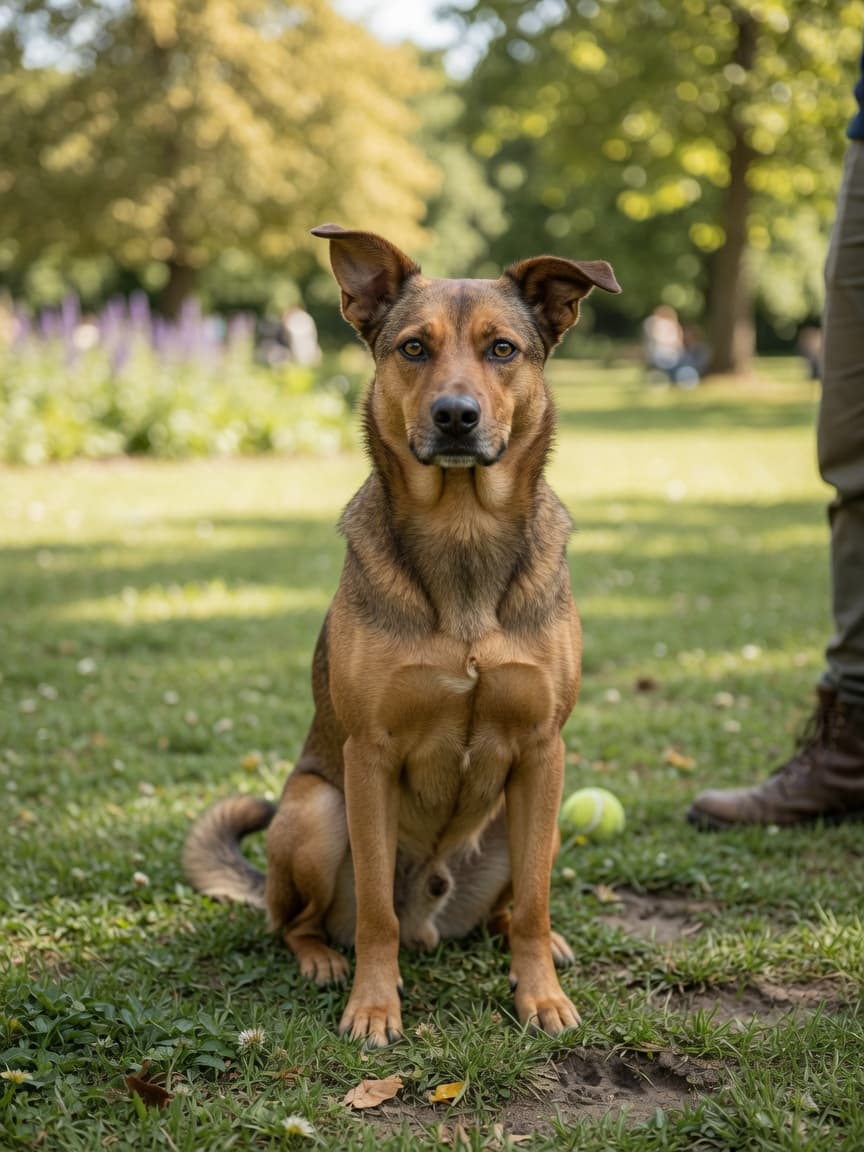
Every dog owner has encountered one—that seemingly untrainable canine who ignores commands, pulls relentlessly on the lead, or barks at every passing leaf. You might think some dogs are simply "impossible" to train, but the truth is far more encouraging. With the right approach, understanding, and patience, even the most challenging dogs can become well-behaved companions. The difference between success and frustration often comes down to recognising why your dog behaves the way it does and adapting your training strategy accordingly.
Understanding Your "Impossible" Dog
Before attempting any training programme, it's crucial to understand that difficult behaviour rarely stems from stubbornness or spite. Dogs operate on instinct, learned experience, and motivation. What appears as impossible behaviour is usually your dog communicating an unmet need—whether that's insufficient exercise, anxiety, unclear expectations, or simply a misalignment between your dog's natural drives and your training approach.
Consider your dog's breed characteristics, age, temperament, and history. A high-energy Border Collie mix may seem "impossible" when confined indoors without mental stimulation, whilst a rescue dog with unknown background might display fear-based reactivity that requires patient, specialised training rather than harsh corrections.
Identifying the Real Obstacles
The most common barriers to successful dog training include:
- Insufficient exercise: Many behavioural problems stem from pent-up energy. Dogs need daily physical and mental stimulation appropriate to their age and breed.
- Inconsistent training: If one family member uses different commands or rewards than another, confusion reigns. Everyone must follow the same protocol.
- Poor timing: Dogs live in the moment. Rewards or corrections must happen within 2-3 seconds of the behaviour to create meaningful association.
- Inadequate motivation: You're not using the right reward. High-value treats, toys, or praise matter far more than generic biscuits.
- Unaddressed anxiety: Reactivity, destructiveness, and stubborness often mask underlying anxiety requiring professional assessment.
- Unrealistic expectations: Some behaviours take weeks or months to reshape. Expecting instant results invites disappointment.
The Foundation: Positive Reinforcement
Modern, evidence-based dog training relies on positive reinforcement—rewarding desired behaviour rather than punishing unwanted behaviour. This approach creates enthusiasm and trust rather than fear or resentment. When your dog learns that sitting calmly results in a treat or praise, they're motivated to repeat that behaviour.
Begin with basic obedience commands in distraction-free environments. Once your dog reliably responds at home, gradually introduce mild distractions before attempting training in complex environments like parks or busy streets. This graduated approach builds confidence and reliability.
Breaking Training into Manageable Steps
The key to training "impossible" dogs lies in breaking complex behaviours into smaller, achievable steps—a process called shaping. Rather than expecting a dog to perform a flawless recall from across a field, start by rewarding attention in your kitchen. Gradually increase distance and distractions over weeks or months.
- Start in controlled environments with minimal distractions
- Use high-value rewards your dog genuinely loves
- Keep training sessions short (5-10 minutes) to maintain focus
- Always end on a positive note, celebrating success
- Progress slowly before introducing new challenges
- Track progress in writing to recognise subtle improvements
When Professional Help is Essential
Some behavioural challenges—particularly aggression, severe anxiety, or trauma responses—genuinely require professional guidance. A qualified dog trainer or clinical animal behaviourist can assess your individual dog and create a tailored programme. This investment often prevents dangerous situations and significantly accelerates progress.
Key Takeaways
No dog is truly "impossible"—they're simply expressing unmet needs or responding to training approaches that don't suit their temperament and learning style. By understanding root causes, maintaining consistency, using positive reinforcement, and adjusting expectations, you'll be amazed at the transformation. Yes, pigs may never fly, but your supposedly impossible dog can absolutely learn to be the well-behaved companion you've always wanted.