
Why Hiking Is Excellent Exercise — With Caveats
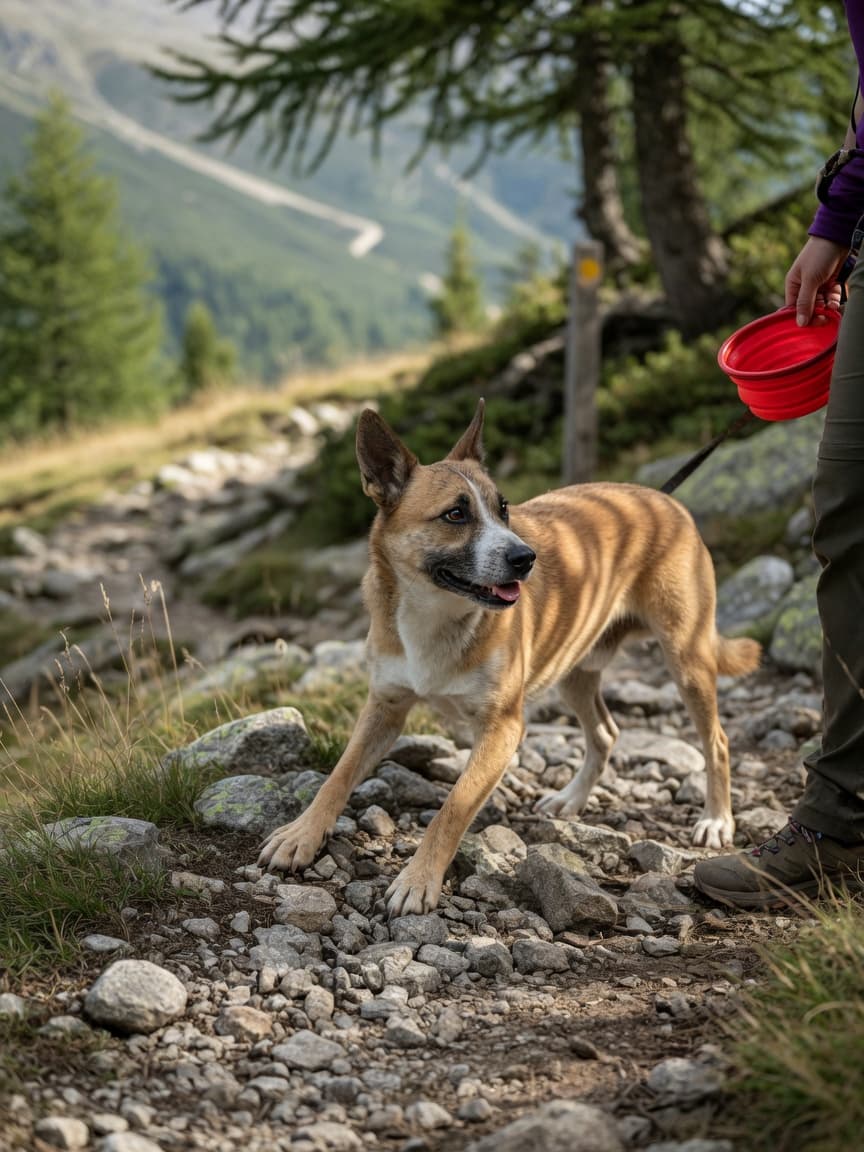
Hiking offers dogs something that most daily walks cannot: genuine physical and mental stimulation across varied terrain. The combination of new scents, unpredictable ground, and extended movement engages both body and mind in a way that a pavement circuit simply does not replicate. For high-energy breeds, a well-planned hike is one of the most effective outlets available. But the same features that make trails rewarding also introduce hazards that owners walking in familiar urban environments rarely consider.
Preparation makes the difference between a wonderful outing and a veterinary emergency. The three areas that account for the majority of hiking-related problems in dogs are paw damage, dehydration, and wildlife encounters.
Paw Protection on the Trail
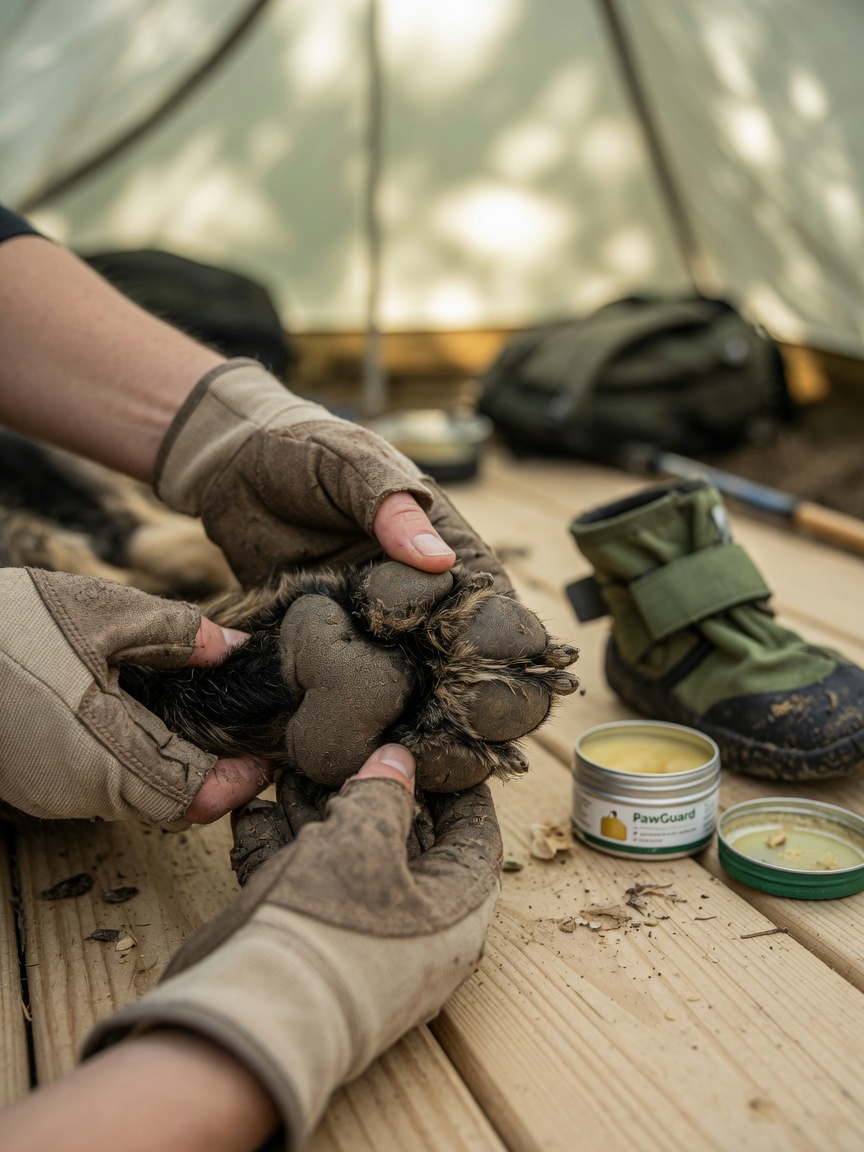
Dog paws are tougher than they look, but they are not indestructible. Rough mountain terrain, scree slopes, and sharp gravel can abrade and cut paw pads, particularly in dogs accustomed to softer urban surfaces. Heat is an additional factor — rocky trails and sandy paths retain heat, and surfaces that feel merely warm underfoot can cause burns to a dog walking on them for extended periods.
Build trail fitness gradually. A dog that walks primarily on pavements should not be taken on a ten-kilometre rocky ascent as a first hike. Start with shorter, gentler trails and increase distance and terrain difficulty progressively over several weeks. This conditions the pads to harden appropriately.
Dog boots are a practical solution for particularly rough or hot terrain, though persuading a dog to walk naturally in them requires patient conditioning. Introduce boots at home before the trail, rewarding the dog for wearing them, and expect a brief period of exaggerated stepping. Paw wax products offer some protection on moderate terrain and are easier to apply than boots for dogs that resist footwear. Inspect paws during and after every hike, looking for cuts, embedded debris, redness, or cracking between the toes.
Hydration in the Field
Dogs regulate body temperature primarily through panting, which expends water rapidly. On a long hike, particularly in warm weather or at altitude where the body works harder, dehydration can develop surprisingly quickly. Unlike humans, dogs cannot easily communicate thirst, and by the time obvious signs appear — excessive panting, tacky gums, sunken eyes, lethargy — the dog may already be significantly depleted.
Carry more water than you expect to need. A general guideline is approximately 60ml of water per kilogram of body weight for a day's activity, but this increases with heat, humidity, and exertion level. Collapsible silicone bowls are lightweight and take up negligible pack space. Offer water frequently, every twenty to thirty minutes during active hiking, rather than waiting for the dog to signal thirst.
Natural water sources on trails may appear clean but carry the same risks as any freshwater, including leptospirosis and giardia. Treat natural sources with the same caution you would apply in a lowland setting — convenience does not equal safety. If you are planning an overnight or multi-day hike, factor in water availability along the route when planning your load.
Recognising Heat Exhaustion on the Trail
Heat exhaustion progresses to heatstroke rapidly in dogs, and the environment of a hike — exertion, sun exposure, limited shade — accelerates that progression. Heavy, laboured panting, bright red gums, drooling, stumbling, and vomiting are warning signs. If any appear, stop immediately, move to shade, apply cool water to the groin, armpits, and neck, and seek veterinary assistance as quickly as possible. Do not pour ice water over the dog or apply ice, as this constricts surface blood vessels and impairs cooling.
Scheduling hikes for early morning or late afternoon in summer significantly reduces heat risk. Short-nosed breeds should largely be kept off demanding trails in warm weather altogether.
Wildlife Risks: Adders, Ticks, and More
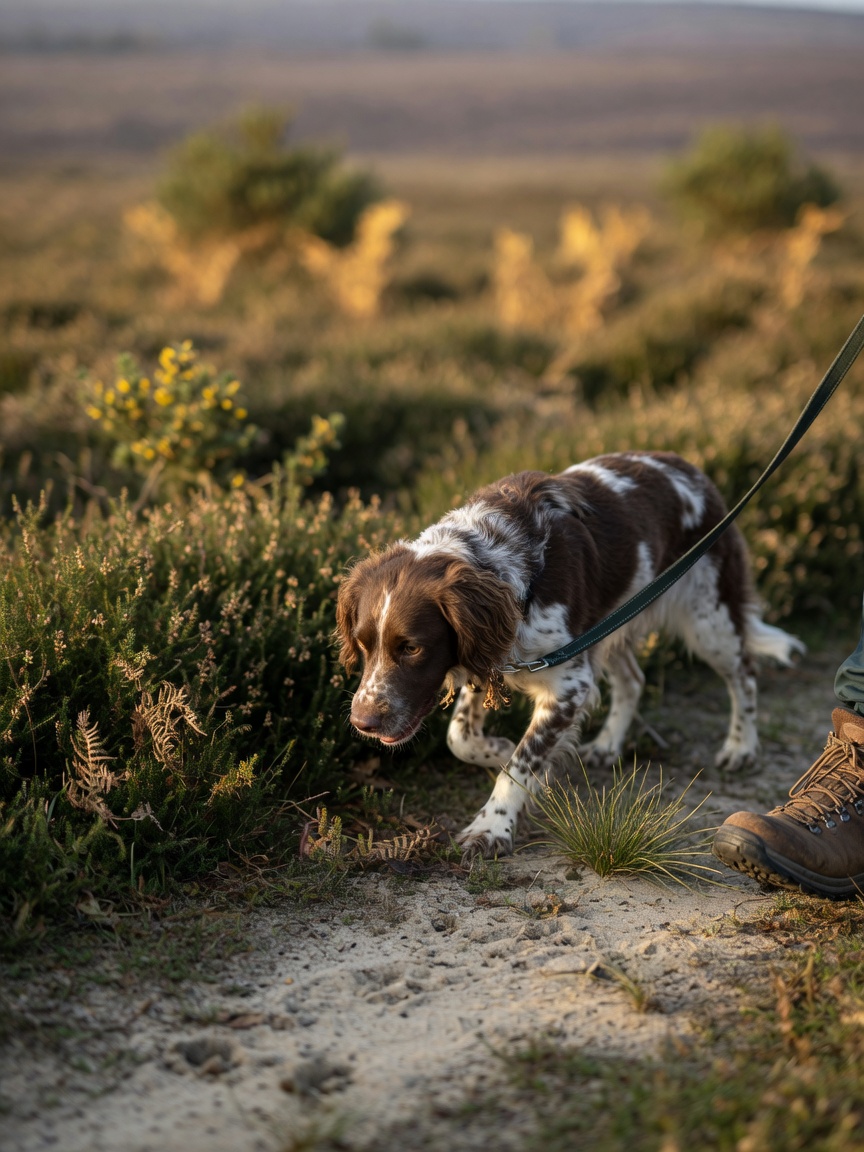
In the United Kingdom, the adder is the only venomous native snake, and bites occur most frequently during spring and summer when they are most active. Dogs are bitten most commonly on the nose or lower limbs after investigating or disturbing the snake. A bite causes rapid localised swelling, pain, and can progress to systemic effects including vomiting, collapse, and in severe cases, blood clotting disorders. Any suspected adder bite requires urgent veterinary attention — antivenom is available and most effective when administered promptly. Keep your dog on a lead in areas of known adder habitat, particularly heathland and south-facing slopes with dense undergrowth.
Ticks are a more universally common risk on hiking trails, particularly in woodland, moorland, and areas with deer populations. They transmit Lyme disease and other serious infections. Use a veterinary-approved tick preventative — spot-on treatments or tick collars — before hiking in tick habitat, and perform a thorough check of the entire coat after every outing, paying attention to the ears, neck, armpits, groin, and between the toes. Remove any attached ticks promptly with a tick removal tool, twisting rather than pulling to avoid leaving mouthparts embedded in the skin.
Other Trail Hazards to Keep in Mind
- Keep your dog on a lead near livestock — regardless of how well-trained the dog is, sheep worrying is a serious risk and a legal matter.
- Certain plants, including wild mushrooms, bracken, and foxgloves, are toxic if ingested. Prevent grazing behaviour on the trail.
- Cliffs and steep drops are a genuine hazard for dogs that do not perceive edge danger as humans do. Keep leads on near exposed drop-offs.
- Check the forecast — exposure and hypothermia are real risks in upland environments if conditions deteriorate suddenly.
- Carry a basic canine first aid kit including wound dressing, tick remover, foil blanket, and your vet's emergency number.
With sensible preparation, hiking is one of the finest things you can do for your dog's wellbeing. The key is respecting the environment, knowing your dog's conditioning level, and having the supplies and knowledge to respond if something goes wrong.