
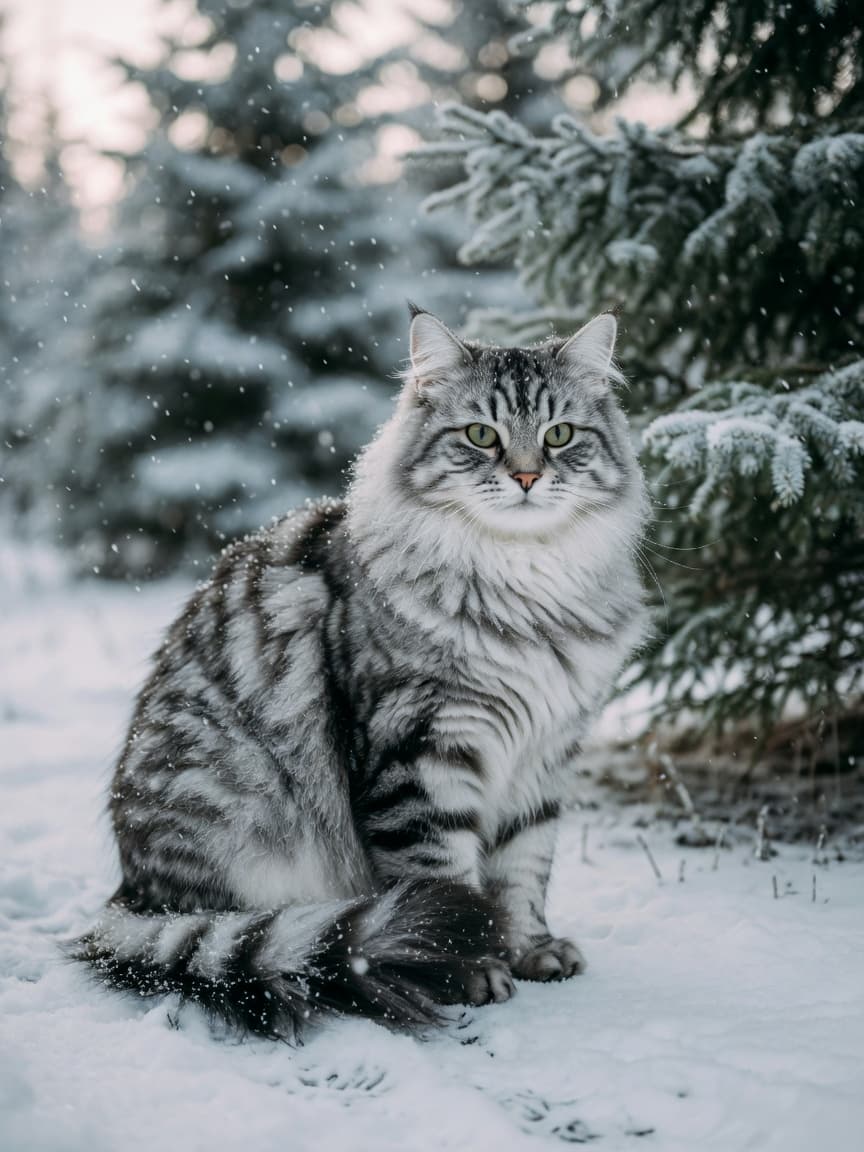
Siberian cats are one of the most striking and resilient feline breeds, originating from the frozen forests of Russia. With their impressive size, thick luxurious coats, and affectionate nature, these magnificent cats have become increasingly popular among European pet owners. If you're considering welcoming a Siberian into your home, understanding their unique characteristics, health needs, and temperament is essential for providing them with optimal care and ensuring a happy, long-lasting companionship.
Physical Characteristics and Size
Siberian cats are large, muscular felines that can weigh between 4-9 kg, with males typically being considerably larger than females. Their most distinctive feature is their thick, water-resistant double coat, which kept their ancestors warm in harsh Arctic conditions. This semi-long fur comes in various colours and patterns, though all Siberians have a dense undercoat that requires serious commitment to grooming.
Beyond their impressive physique, Siberians possess:
- Strong, sturdy bone structure built for endurance
- Tufted ears and paws providing extra insulation
- Bushy, feathered tails
- Large, expressive green or gold eyes
- An athletic build suited to climbing and jumping
Grooming and Coat Care
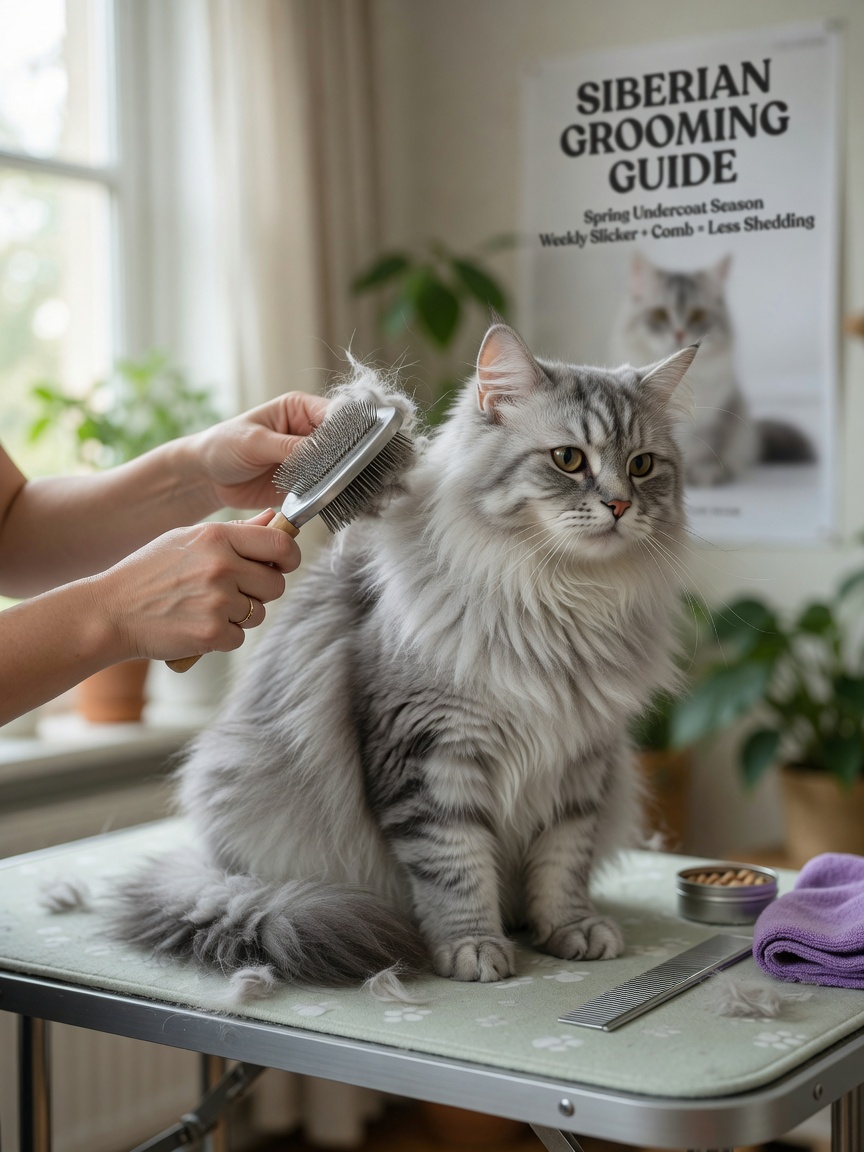
The Siberian's magnificent coat is beautiful but demanding. These cats shed extensively year-round, with particularly heavy shedding during spring and autumn seasons. Regular grooming isn't merely cosmetic—it's essential for their health and comfort.
Establish a grooming routine that includes:
- Brushing 3-4 times weekly with a high-quality slicker brush or metal comb
- Daily brushing during shedding seasons to prevent matting
- Regular nail trimming every 2-3 weeks
- Monthly ear cleaning to prevent infections
- Dental care through regular brushing and vet check-ups
Siberians generally enjoy water and may tolerate occasional baths, which can help manage shedding. Use lukewarm water and feline-specific shampoos to protect their coat's natural oils.
Temperament and Personality
Despite their intimidating size, Siberian cats are remarkably affectionate and social. They're known for their dog-like loyalty, often following their owners from room to room and greeting them at doors. These intelligent cats enjoy interactive play and form strong bonds with their families, including children and other pets when properly socialised.
Key personality traits include:
- High intelligence and curiosity
- Strong hunting instincts (typical of their heritage)
- Vocal nature—they communicate frequently through chirps and meows
- Playfulness that persists well into adulthood
- Adaptability to various living environments
Health Considerations
Siberian cats are generally robust and hardy, with fewer genetic health problems than many pedigree breeds. However, awareness of potential issues is important. Hip dysplasia can occur, though less commonly than in some breeds. Hypertrophic cardiomyopathy (HCM), a heart condition, has been documented in some bloodlines, making cardiac screening by reputable breeders essential.
Maintain health through:
- Annual veterinary check-ups, increasing to twice yearly after age seven
- Up-to-date vaccinations and parasite prevention
- Balanced, high-quality diet appropriate to their size and activity level
- Regular exercise and mental stimulation
- Responsible breeding practices when acquiring from breeders
Exercise and Environmental Needs
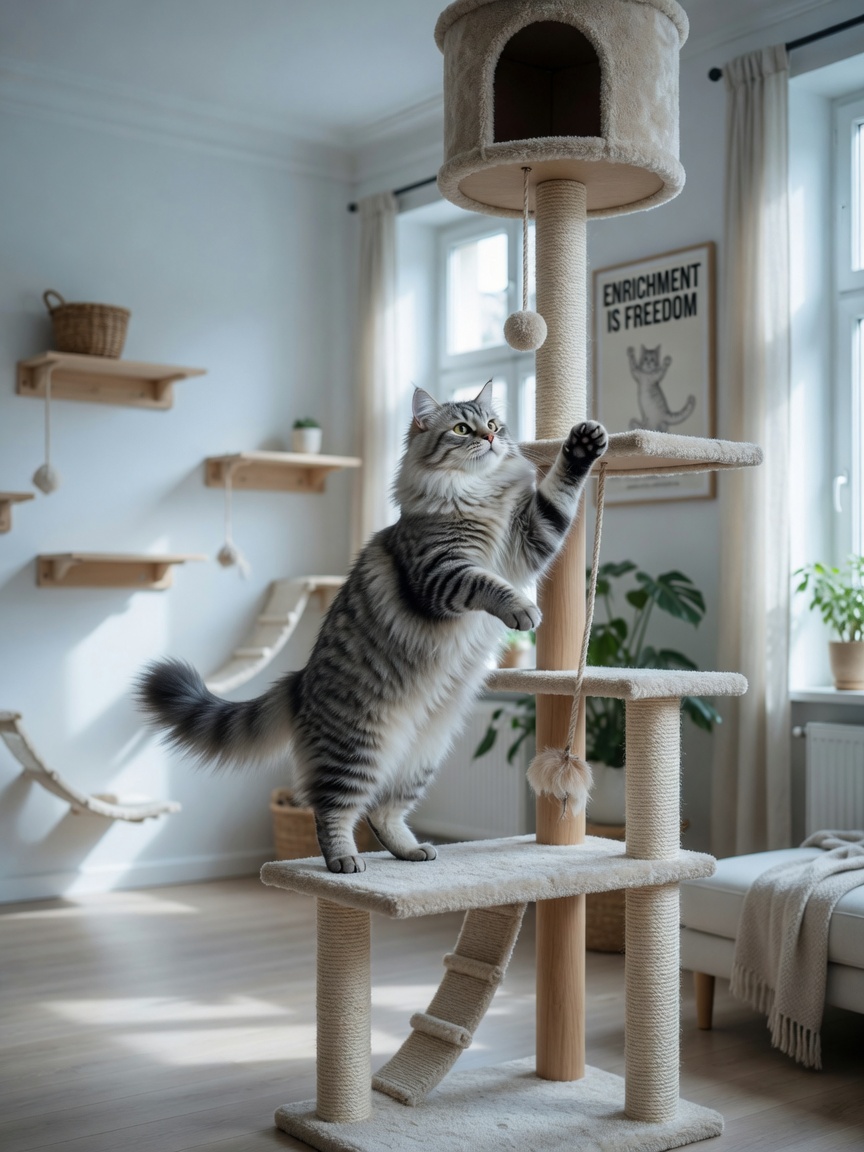
Siberians are active, athletic cats requiring substantial physical and mental stimulation. They excel at climbing, so tall cat trees and wall-mounted shelves are essential. Interactive toys, puzzle feeders, and regular play sessions keep them mentally engaged and prevent destructive behaviours.
These cats appreciate cooler environments and may struggle in excessively warm climates due to their heavy coats. Provide shaded areas and ensure adequate ventilation during summer months.
Key Takeaways
Siberian cats are magnificent companions offering loyalty, intelligence, and affection to dedicated owners. Their grooming needs are substantial, their health is generally excellent, and their personalities are wonderfully engaging. Before bringing a Siberian home, ensure you can commit to regular grooming, provide adequate space for their active lifestyle, and offer the social interaction these sociable cats crave. With proper care and attention, a Siberian cat can be a treasured family member for 12-18 years or longer.