
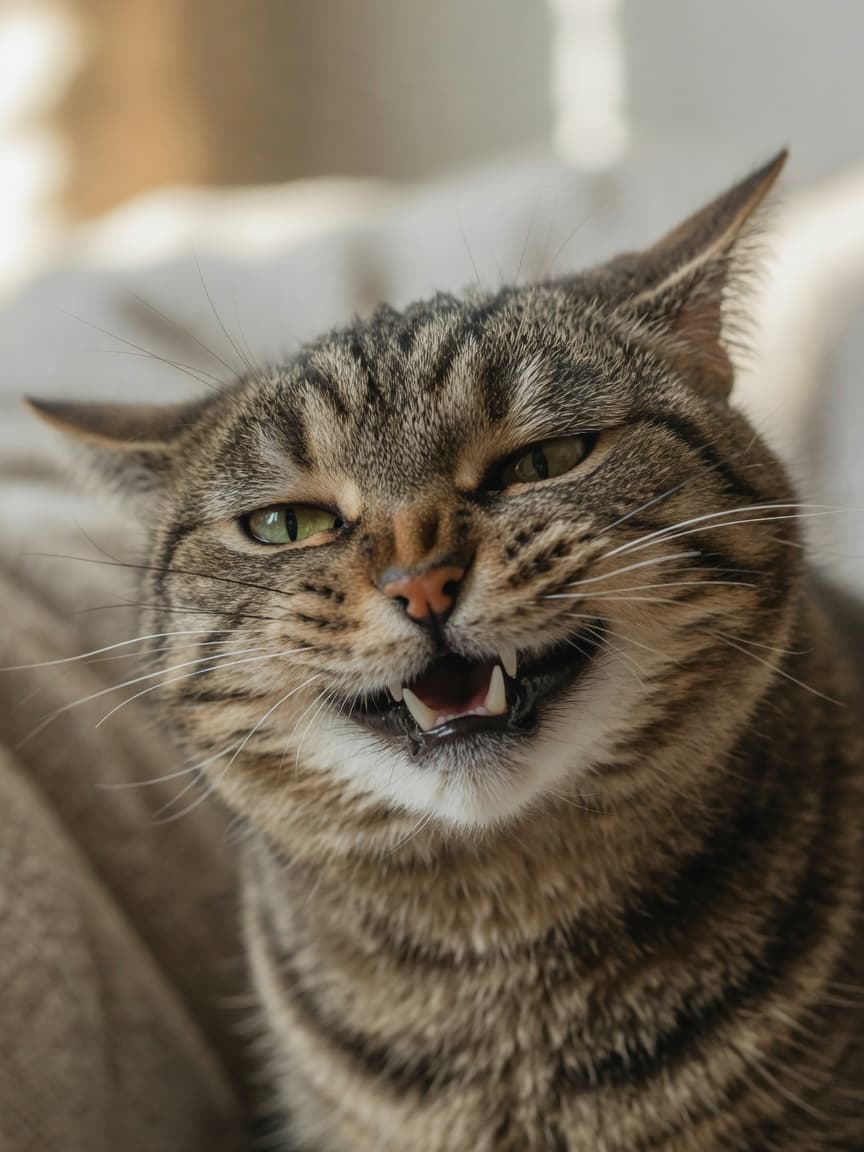
Have you ever noticed your cat making an odd facial expression—lips curled upward, mouth slightly open, sometimes accompanied by a gentle chattering sound? If so, you've witnessed one of feline behaviour's most fascinating phenomena: the flehmen response. Far from being a sign of distress or illness, this peculiar grimace is actually a sophisticated sensory mechanism that cats use to gather crucial information about their environment. Understanding this behaviour helps us appreciate just how complex our feline companions truly are.
The Science Behind the Flehmen Response
The flehmen response is a sensory behaviour that involves the activation of the vomeronasal organ, also called Jacobson's organ. Located in the roof of the mouth, this specialised sensory structure detects pheromones—chemical compounds that carry vital information between animals. When your cat exhibits the flehmen response, they're essentially "tasting" the air to collect these chemical signals.
The process works like this: when cats curl their upper lip and briefly hold their mouth open, they're drawing air and scent particles into the vomeronasal organ. This allows them to analyse pheromones far more sensitively than their regular olfactory system can manage. It's a remarkably efficient way of processing olfactory information that most other mammals, including humans, cannot replicate to the same degree.
Common Triggers for the Flehmen Response
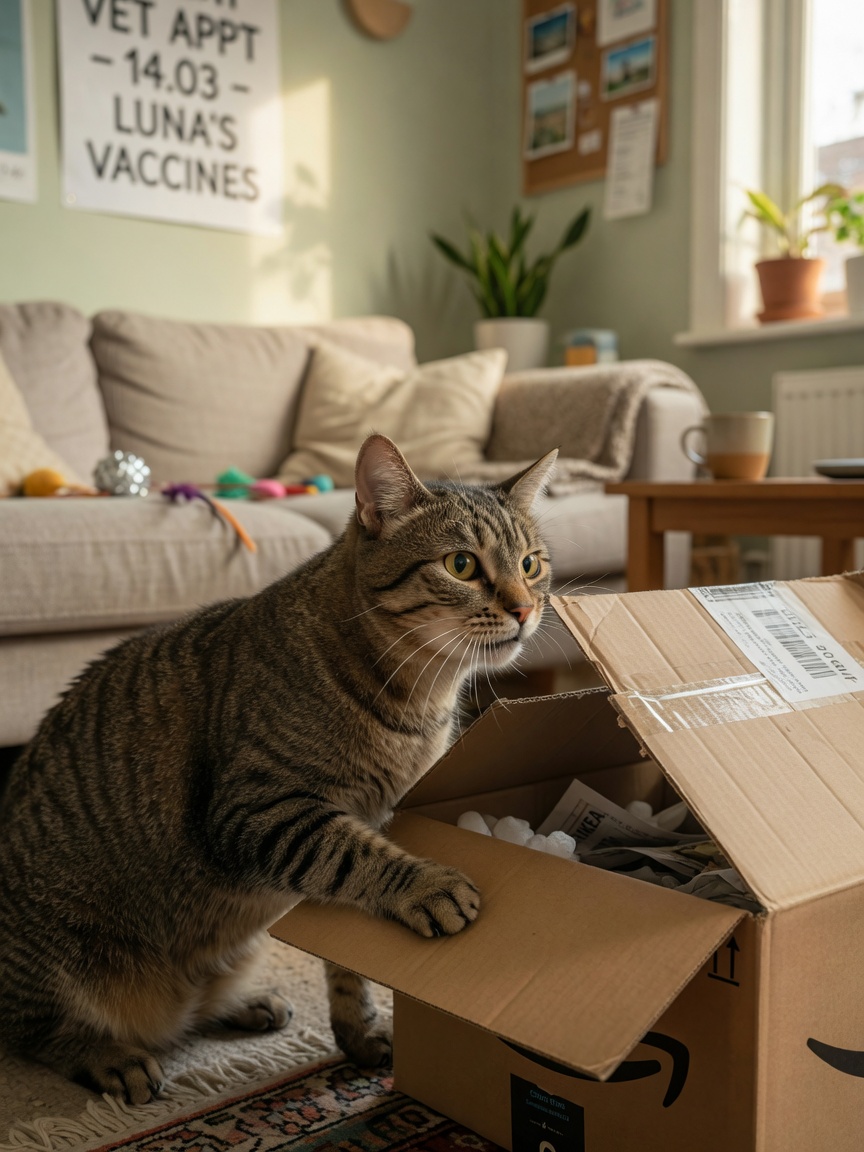
Several situations typically prompt your cat to display this amusing behaviour:
- Territorial marking: Detecting another cat's urine or scent marks
- Mating signals: Responding to pheromones from females in oestrus
- Unfamiliar smells: Investigating new items brought into the home
- Other animals: Assessing the presence of dogs, rodents, or wildlife
- Human-related scents: Reacting to unusual fragrances, cleaning products, or perfumes
You'll often notice your intact male cats displaying this behaviour more frequently than neutered cats or females, though all cats possess this capability.
Why This Behaviour Matters for Your Cat's Health
The flehmen response isn't merely an interesting quirk—it serves essential biological functions. By processing pheromonal information, cats can:
- Identify potential mates and assess reproductive status
- Establish territorial boundaries and navigate their social environment
- Recognise friends, family members, and potential threats
- Gather detailed information about food sources and prey
This sophisticated sensory ability is particularly crucial for outdoor and semi-outdoor cats, helping them survive and interact within their territory effectively.
Distinguishing the Flehmen Response from Other Behaviours
New cat owners sometimes worry that the flehmen response indicates a dental problem or respiratory issue. However, there are clear differences between this normal behaviour and genuine health concerns. The flehmen response:
- Lasts only a few seconds
- Occurs in response to specific smells or new items
- Is accompanied by normal eating and drinking
- Doesn't cause excessive drooling or difficulty swallowing
If your cat shows prolonged mouth opening, excessive drooling, difficulty eating, or persistent bad breath, these warrant a veterinary consultation as they may indicate dental disease or other health issues.
Supporting Your Cat's Sensory Needs
Understanding the flehmen response helps us create more enriching environments for our cats. Consider:
- Introducing new safe scents through toys, plants, or cardboard
- Allowing supervised outdoor time for cats to engage their sensory systems
- Using synthetic feline pheromone diffusers to support stress reduction
- Rotating toys and introducing novel items regularly
Key Takeaways
The flehmen response is a completely normal, healthy behaviour that demonstrates your cat's remarkable sensory sophistication. Rather than a cause for concern, it's evidence of your feline friend actively and intelligently processing their world. By recognising and appreciating this behaviour, you'll develop a deeper understanding of feline physiology and psychology, ultimately strengthening your bond with your beloved pet.