
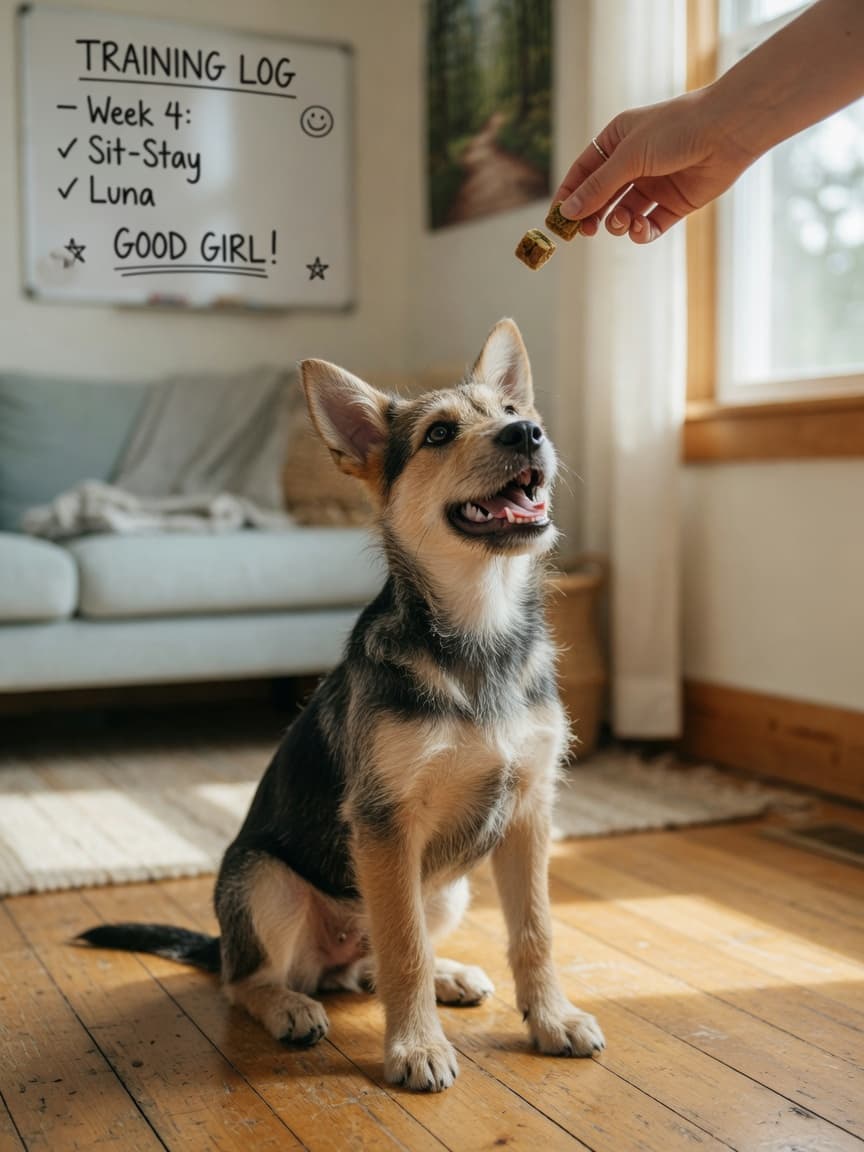
Positive reinforcement training represents one of the most effective and humane approaches to teaching your dog new behaviours and building a strong, trusting relationship. Rather than using punishment or corrections, this method rewards the behaviours you want to see more of, creating an environment where your dog actively wants to cooperate. Whether you're training a boisterous puppy or refining skills in an adult dog, understanding positive reinforcement can transform your training journey and strengthen your bond with your four-legged companion.
The Science Behind Positive Reinforcement
Positive reinforcement works by capitalising on your dog's natural learning abilities. When a behaviour is immediately followed by something pleasant—such as a treat, praise, or play—your dog's brain forms a positive association with that behaviour. This increases the likelihood that the behaviour will be repeated in the future.
Research in canine behaviour consistently demonstrates that dogs trained using positive reinforcement methods show fewer behavioural problems, lower stress levels, and greater confidence than those trained using aversive techniques. This evidence-based approach respects your dog's emotional wellbeing whilst achieving excellent training results.
How to Get Started with Positive Reinforcement
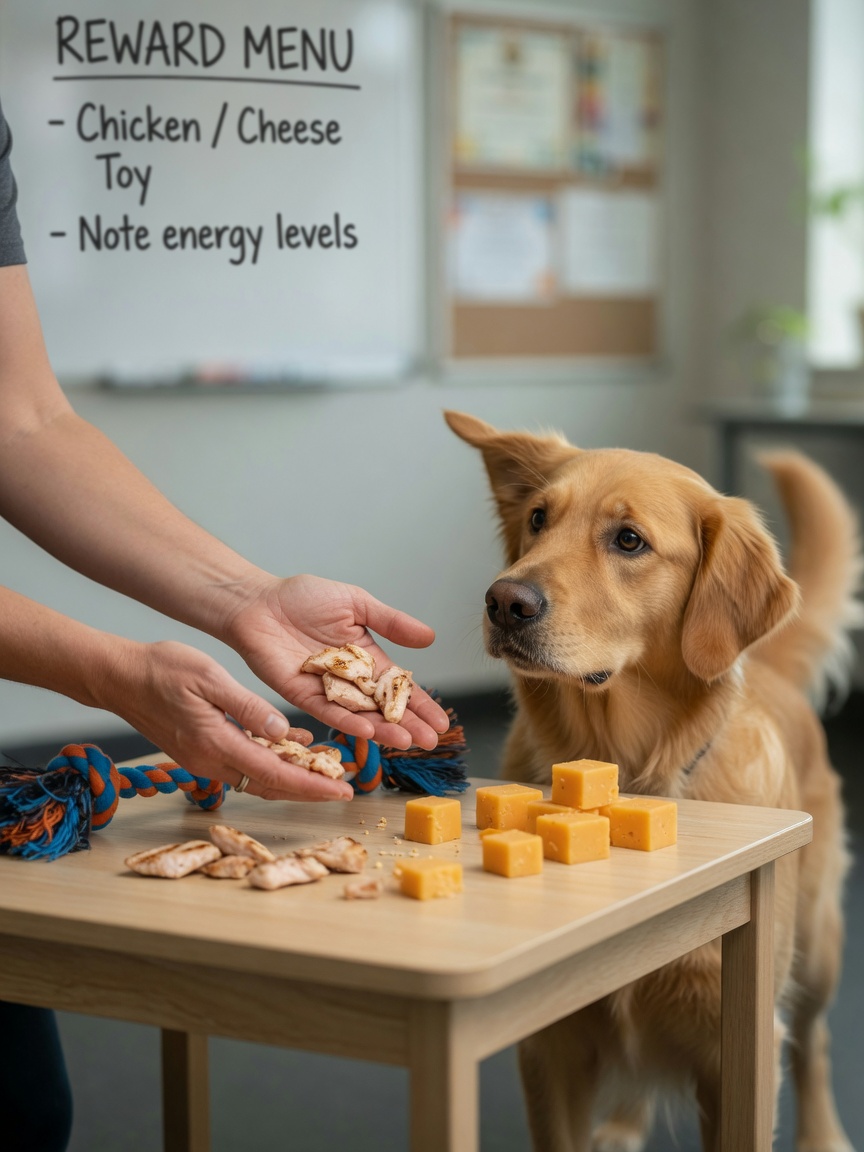
Beginning a positive reinforcement training programme is straightforward, but requires consistency and patience.
- Identify high-value rewards: Discover what genuinely motivates your individual dog. This might be small pieces of chicken, cheese, specific toys, or enthusiastic praise. Different dogs have different preferences.
- Catch good behaviour: Reward your dog the moment they exhibit the desired behaviour. Timing is crucial—ideally within one to two seconds.
- Be specific with praise: Use clear, upbeat language paired with physical affection. "Good sit!" is more effective than vague praise.
- Establish a training schedule: Short, frequent sessions (5-10 minutes) work better than lengthy ones, as dogs have limited attention spans.
- Stay patient: Every dog learns at their own pace. Celebrate small progress and avoid frustration.
Practical Applications for Common Behaviours
Positive reinforcement works exceptionally well for teaching:
- Basic obedience commands (sit, stay, come, down)
- Loose lead walking and not jumping on visitors
- House training and appropriate toilet habits
- Reducing anxiety and reactive behaviours
- Socialisation with other dogs and people
- Recall training for off-lead safety
The key is rewarding the exact moment your dog performs the desired behaviour, then gradually reducing treat frequency as the behaviour becomes established.
Common Mistakes to Avoid
Even well-intentioned owners can inadvertently undermine their training efforts. Avoid these pitfalls:
- Rewarding the wrong behaviour (such as giving attention to jumping even if saying "no")
- Delaying rewards—timing is everything
- Using rewards that aren't genuinely motivating to your individual dog
- Being inconsistent across family members
- Expecting too much progress too quickly
When to Seek Professional Help
Whilst many owners successfully implement positive reinforcement training independently, a qualified dog trainer or behaviourist can provide invaluable guidance, particularly for:
- Persistent behavioural issues or aggression
- Dogs with anxiety or fear-based problems
- First-time dog owners seeking confidence
- Advanced training goals
Key Takeaways
Positive reinforcement training is a science-backed, compassionate approach that produces reliable results whilst nurturing your dog's emotional wellbeing. By rewarding desired behaviours promptly and consistently, using motivating rewards, and maintaining patience, you'll create a dog that's eager to cooperate and genuinely enjoys training sessions. Remember that every dog is unique—what works brilliantly for one may need adjustment for another. Start small, stay consistent, and celebrate the progress your furry friend makes along the way. This investment in positive training not only teaches valuable skills but also deepens the bond between you and your beloved companion.