
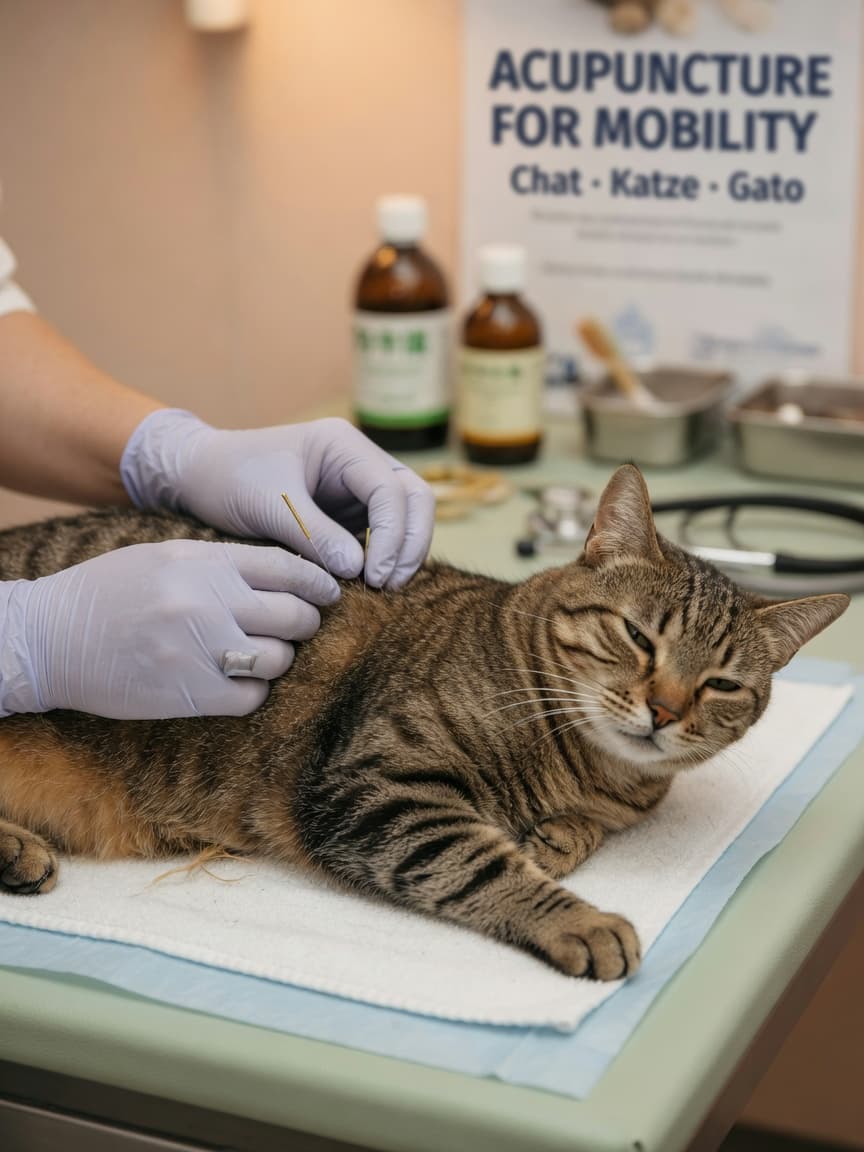
If you've noticed your cat moving a bit stiffly, seeming less interested in play, or struggling with chronic health issues, you might have come across acupuncture as a treatment option. This ancient Chinese healing practice is increasingly being integrated into modern veterinary medicine across Europe, offering a complementary approach to managing various feline health conditions. Whether your cat is dealing with arthritis, digestive issues, or pain management, understanding how feline acupuncture works could help you make informed decisions about your pet's wellbeing.
Understanding Feline Acupuncture: The Basics
Acupuncture for cats involves the insertion of very fine, sterile needles at specific points on your cat's body. These acupuncture points are believed to stimulate nerve endings and encourage the body's natural healing responses. The practice is based on traditional Chinese medicine principles, which view health as a balance of energy flow (called "qi") throughout the body.
Modern veterinary acupuncture combines this ancient wisdom with contemporary scientific understanding. Research suggests that needle insertion triggers the release of endorphins, improves blood circulation, and modulates inflammatory responses—all of which can alleviate pain and promote healing.
Conditions Acupuncture May Help Treat
Veterinary acupuncturists commonly recommend treatment for the following conditions:
- Arthritis and joint pain: Particularly beneficial for senior cats experiencing age-related stiffness
- Chronic pain management: An alternative or complement to pharmaceutical pain relief
- Digestive disorders: Including chronic vomiting, constipation, or inflammatory bowel issues
- Urinary problems: Some cats respond well to acupuncture for recurrent cystitis
- Anxiety and stress-related conditions: Can help calm nervous or behavioural issues
- Post-surgical recovery: May accelerate healing and reduce post-operative discomfort
What to Expect During Treatment
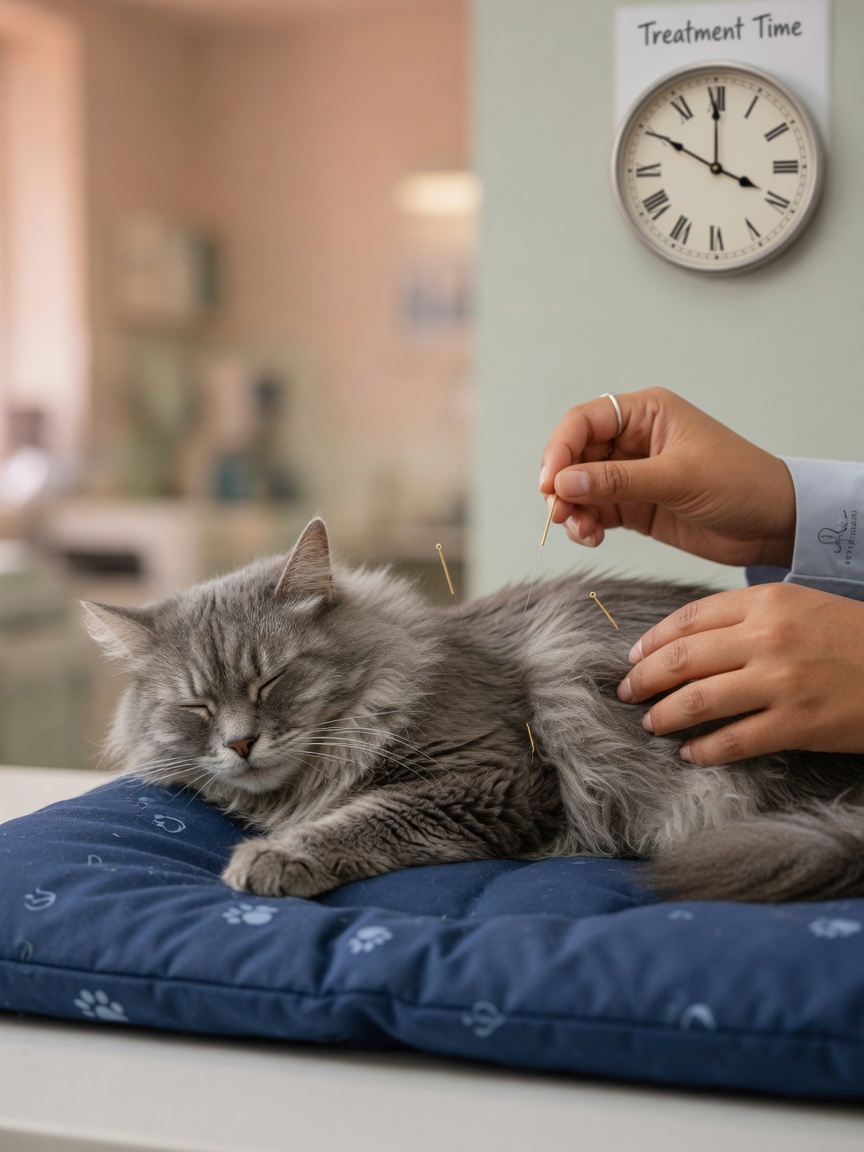
Most cats are surprisingly calm during acupuncture sessions. Your veterinarian will identify the appropriate acupuncture points for your cat's specific condition, then gently insert very fine needles. The needles typically remain in place for 15 to 30 minutes whilst your cat rests quietly. Many cats actually seem to find the experience quite relaxing.
Treatment plans vary depending on the condition being addressed. Acute issues might require just a few sessions, whilst chronic conditions often benefit from regular treatments—typically weekly or fortnightly for several weeks, followed by maintenance sessions as needed.
Finding a Qualified Veterinary Acupuncturist
This is crucial for your cat's safety and the effectiveness of treatment. Look for veterinarians who hold recognised qualifications in veterinary acupuncture from established organisations. In the UK, check whether your vet has completed accredited training through bodies like the International Veterinary Acupuncture Society (IVAS) or the British Veterinary Acupuncture Association (BVAA).
Your regular veterinarian can often refer you to a qualified acupuncturist, or you can search professional registers online. A proper consultation should include a thorough health assessment and a clear explanation of how acupuncture might benefit your individual cat.
Safety and Considerations
Acupuncture is generally very safe when performed by qualified practitioners. However, it's essential to ensure your cat receives a proper veterinary diagnosis before beginning treatment. Acupuncture works best as part of a comprehensive treatment plan rather than as a standalone solution.
Be transparent with your vet about any other medications or treatments your cat is receiving, and always inform your acupuncturist of your cat's complete medical history, including any previous health concerns.
Key Takeaways
Acupuncture offers a gentle, drug-free option for managing pain and various chronic conditions in cats. Whilst research continues to expand our understanding, many cat owners report positive results, particularly for arthritis and chronic pain. The most important steps are choosing a qualified veterinary practitioner, maintaining realistic expectations, and viewing acupuncture as part of a holistic approach to your cat's health rather than a miracle cure. If your cat is struggling with chronic health issues, it's worth discussing acupuncture with your veterinarian to determine whether it might be a suitable complementary treatment for your feline friend.