

Pet insurance has become increasingly popular amongst UK dog owners seeking financial protection against unexpected veterinary costs. Whether you're bringing home a puppy or adopting a senior dog, understanding what pet insurance actually covers—and what it doesn't—is essential for making an informed decision about your pet's healthcare. This comprehensive guide breaks down the fundamentals of pet insurance, helping you navigate policies with confidence.
How Pet Insurance Works
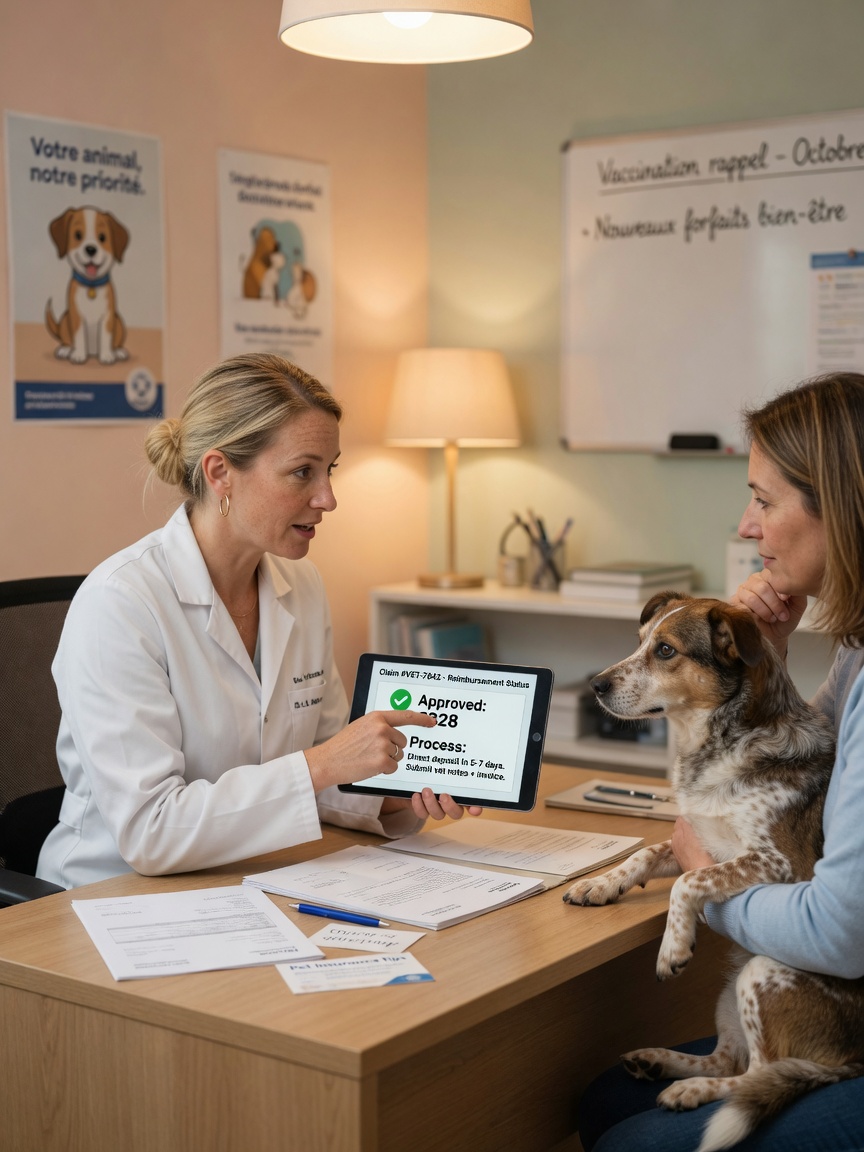
Pet insurance operates on a reimbursement basis. You pay a monthly or annual premium, and when your dog requires veterinary treatment, you pay the vet bill upfront. You then submit a claim to your insurer, who reimburses you for eligible costs, minus your excess and any policy limits.
Most policies work on one of three models:
- Accident and illness cover: The most comprehensive option, covering both unexpected injuries and medical conditions
- Accident-only cover: Limited to injuries from accidents, not illness
- Time-limited cover: Covers conditions for a set period (usually 12 months), after which that condition is excluded
What Pet Insurance Typically Covers
Comprehensive pet insurance policies generally cover:
- Emergency veterinary treatment and hospitalisation
- Diagnosis and treatment of illnesses
- Surgical procedures
- Prescription medications
- Physiotherapy and rehabilitation (in some policies)
- Dental treatment (though often with limitations)
- Behavioural treatment with certified trainers
- Alternative therapies such as acupuncture
Coverage amounts vary significantly. Most policies offer annual limits ranging from £2,000 to £10,000, though some premium policies provide unlimited cover for specific conditions.
Common Exclusions and Limitations
It's crucial to understand what your policy won't cover. Standard exclusions include:
- Pre-existing conditions (conditions diagnosed or showing symptoms before the policy start date)
- Routine preventative care (vaccinations, flea and tick treatments, microchipping)
- Breeding-related expenses and congenital conditions (hereditary issues)
- Behavioural issues or training costs (unless specifically included)
- Elective procedures (ear cropping, tail docking)
- Claims made after the policy excess is met but before your annual limit resets
Many insurers also impose waiting periods—typically 14 days for accidents and 30 days for illnesses—before coverage begins.
Key Factors Affecting Your Premiums
Several variables influence how much you'll pay for pet insurance:
- Age: Younger dogs have lower premiums; costs increase substantially from age seven onwards
- Breed: Large breeds and those predisposed to genetic conditions cost more to insure
- Location: Urban areas typically have higher veterinary costs, reflected in insurance premiums
- Excess amount: Choosing a higher excess reduces your monthly premium
- Coverage level: Comprehensive policies cost significantly more than accident-only cover
- Claims history: Your pet's medical history may affect renewal quotes
Frequently Asked Questions
Can I claim for hereditary conditions? This depends on your specific policy. Some insurers will cover hereditary conditions diagnosed after a certain point, whilst others exclude them entirely. Always check your policy wording.
What happens when my dog ages out? Unlike life insurance, pet insurance is renewable annually. However, older pets often face higher premiums and may be subject to reduced coverage limits.
Are wellness visits covered? Standard policies don't cover routine check-ups. Many insurers offer optional wellness add-ons for an additional premium.
Can I use any veterinary practice? Most insurers work with all RCVS-registered vets, giving you freedom of choice.
Key Takeaways
Pet insurance provides valuable financial protection against catastrophic veterinary bills, but it's not a catch-all solution. Before purchasing, compare multiple providers, carefully review what's included and excluded, and consider your dog's age, breed, and health status. Starting insurance whilst your pet is young and healthy offers the best value and broadest coverage. Remember: pet insurance covers unexpected treatment, but preventative healthcare remains your responsibility as a conscientious pet owner.