
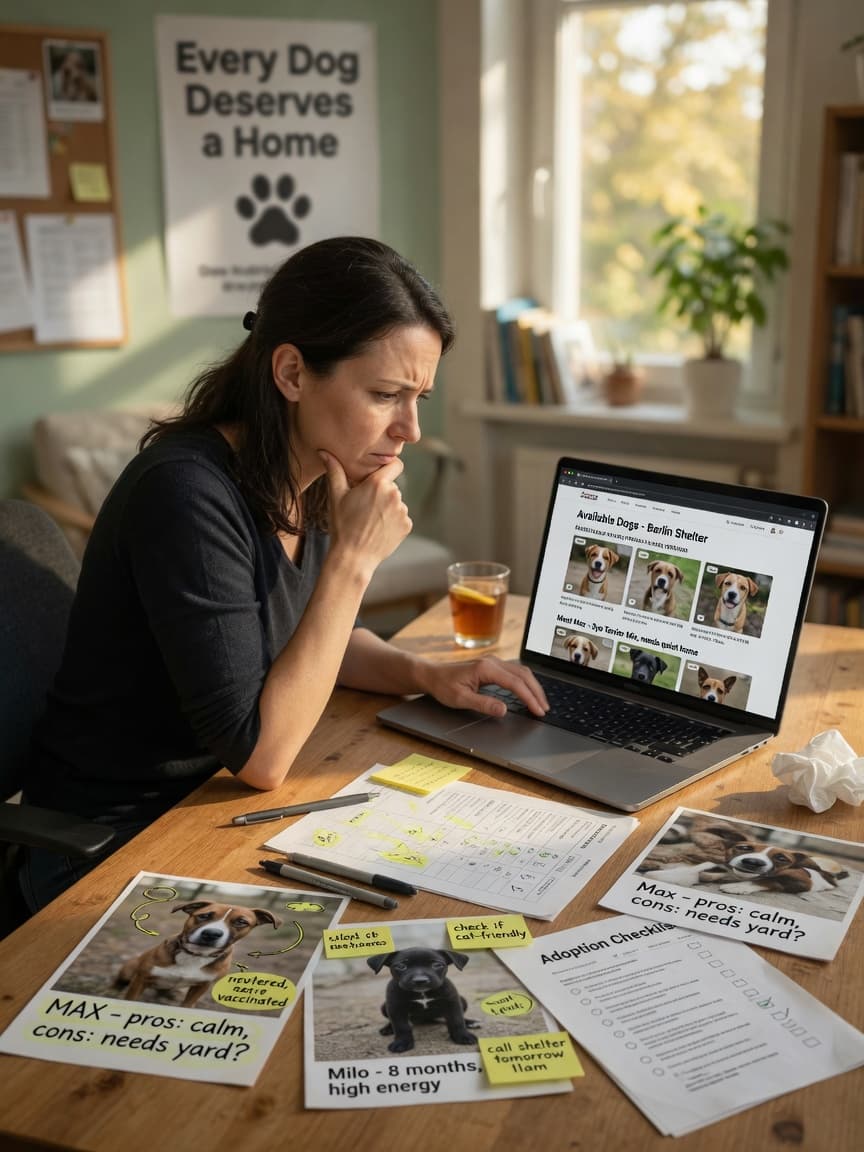
Scrolling through adoption websites and social media can feel overwhelming when you're searching for your perfect canine companion. Adoption posts often use language that can be confusing, vague, or unintentionally misleading. Understanding what shelter staff and rescue volunteers actually mean—and recognising what they're not saying—is crucial before bringing a dog into your home. This guide will help you read between the lines and make an informed decision.
Understanding Health Terminology
Health descriptions in adoption posts can be surprisingly cryptic. When a post says a dog is "generally healthy," it often means they've had a basic veterinary check-up but may have undiagnosed issues. Look for specific details instead:
- Fully health-checked: The dog has had blood work, heartworm testing, and internal parasite screening
- Up to date on vaccinations: They've received their core vaccines (DHPP and rabies), though booster schedules may vary
- Neutered/spayed: Confirms reproductive surgery has been completed
- No known health issues: Honest admission that conditions may emerge once in your home
Don't hesitate to contact the organisation for comprehensive medical records. You have every right to request details about any medications, supplements, or ongoing treatments.
Decoding Behavioural Descriptions
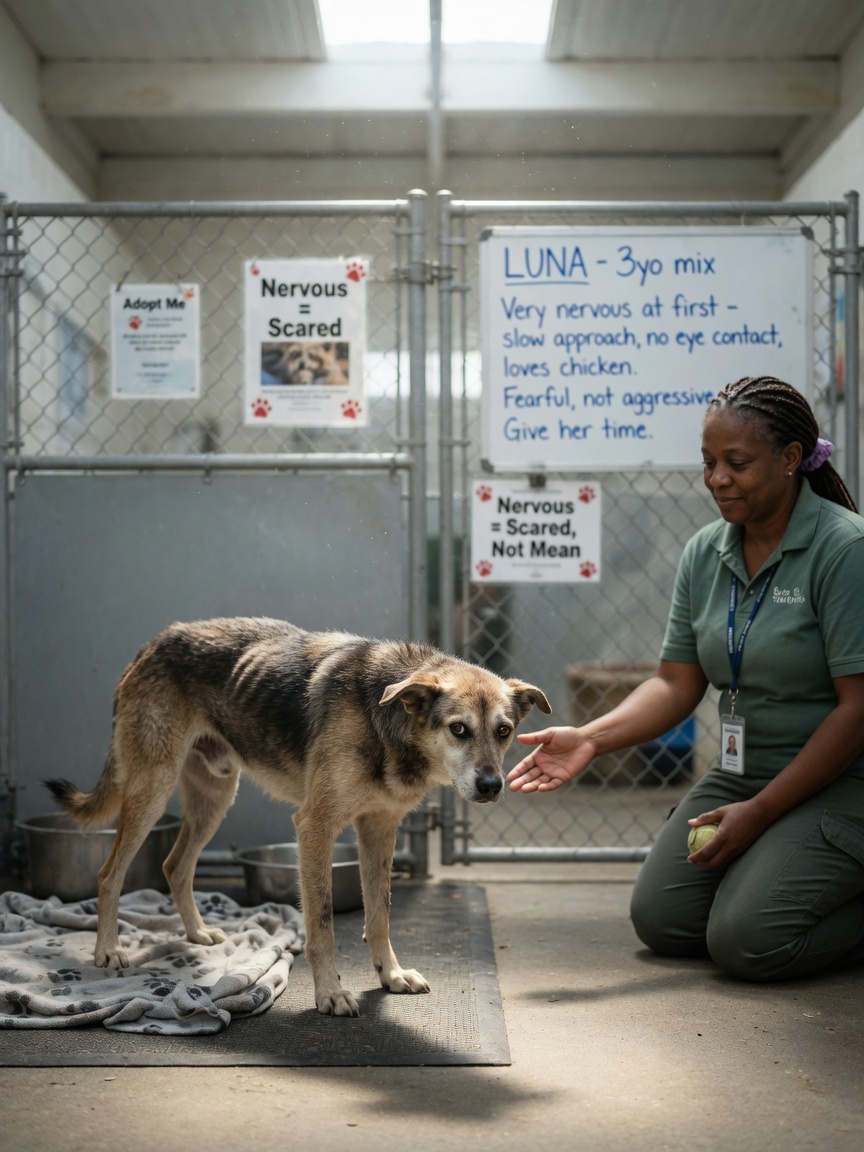
Shelter workers develop their own vocabulary to describe behaviour, and some terms are code for specific challenges:
- Nervous: The dog may need time to settle; could show fear-based behaviours
- Can be selective with other dogs: May show aggression towards some dogs; requires careful introductions
- High energy: Needs significant daily exercise and mental stimulation
- Still learning: Not housetrained or poorly socialised
- Stubborn: Independent-minded; training may require specialised techniques
- Best as only pet: Cannot safely live with other animals
When descriptions are vague about behaviour, this is your cue to ask direct questions. Reputable rescues will honestly discuss a dog's temperament, training history, and any known triggers.
Age and Size Estimates
Adoption posts often provide approximate ages and weights because many rescue dogs have unknown histories. Remember that:
- Age estimates can be off by several years, especially for older dogs
- Weight listed may not reflect the dog's ideal weight—some are overweight or malnourished upon arrival
- Mixed breeds may grow larger than initial estimates suggest
Ask for recent photos and clarification on how the age was determined. If adopting a puppy, confirm the estimated adult size to ensure your home is suitable.
Red Flags and Green Flags
Green flags in adoption posts:
- Detailed, honest descriptions of personality and quirks
- Specific information about how the dog arrived at the rescue
- Clear mention of any special needs or training requirements
- Photos showing the dog in various settings
- Willingness to provide references from previous adopters
Red flags to consider:
- Minimal information or overly generic descriptions
- Refusal to answer direct questions about behaviour or health
- No mention of a trial period or return policy
- Pressure to adopt quickly
- Unclear adoption fees or hidden costs
Questions To Ask Before Adopting
Never adopt based solely on a post. Contact the organisation and ask:
- What is this dog's background, and how did they come into your care?
- Are there any known medical or behavioural issues?
- Has the dog lived with children, other pets, or both?
- What training or socialisation have they received?
- What support do you offer after adoption?
- Can I meet the dog before committing?
Key Takeaways
Adopting a dog is a wonderful decision, but it requires careful consideration. Read adoption posts sceptically, ask thorough questions, and trust your instincts. Reputable rescues welcome inquiries and provide transparent information because they want successful, lasting placements. Take time to find the right match—your future furry friend will be worth the effort.
```