
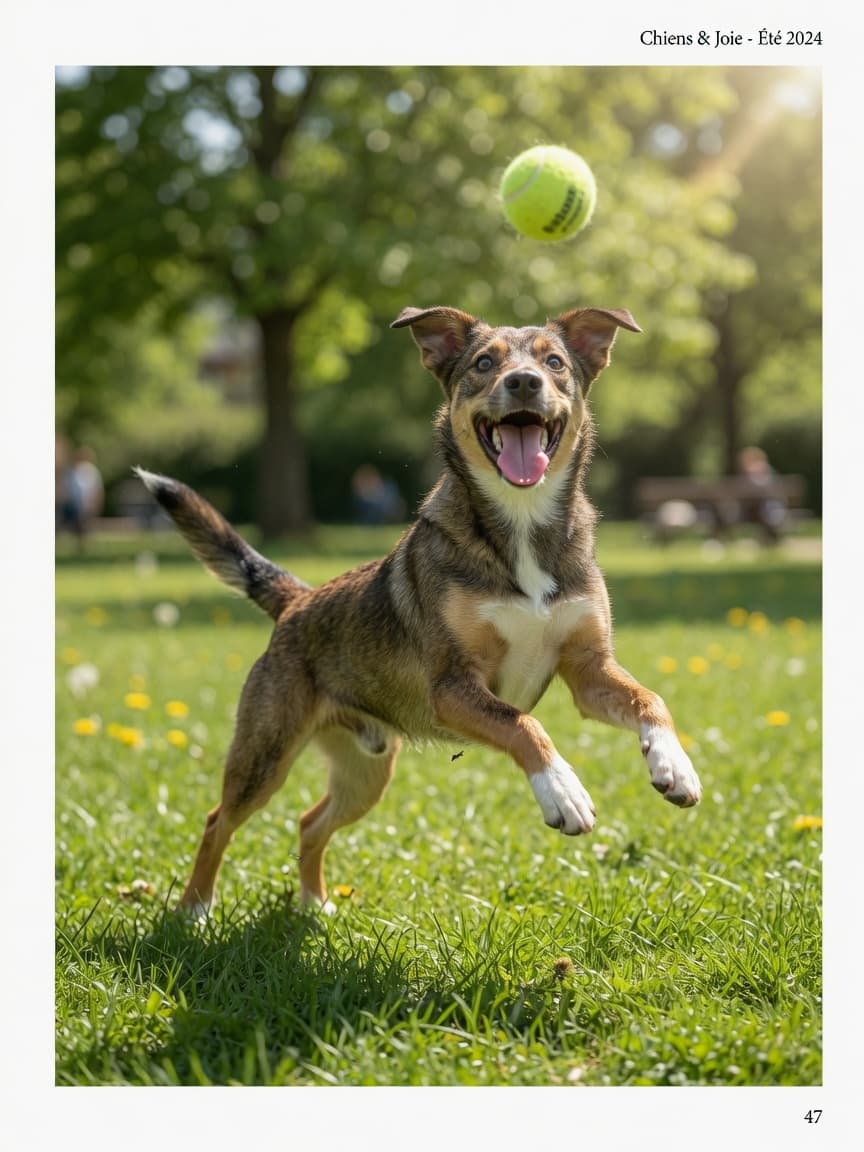
Every dog owner knows that energetic pup who bounds around the house, knocks over the lamp, and simply won't settle down. Meanwhile, your neighbour's elderly Basset Hound seems perfectly content snoozing by the fireplace all afternoon. The truth is, exercise requirements vary dramatically depending on age, breed, size, and individual temperament. Understanding your dog's specific needs is essential not only for their physical health but also for mental wellbeing, behavioural development, and your own sanity. Let's explore how to determine the right amount of activity for your canine companion.
Understanding Your Dog's Life Stage

Your dog's age is one of the most significant factors in determining exercise needs. Puppies require frequent, short bursts of activity rather than lengthy exercise sessions, as their bones and joints are still developing. Overdoing it can cause injury.
- Puppies (3-12 months): Five minutes of exercise per month of age, twice daily. A four-month-old puppy needs about 20 minutes per session.
- Young adults (1-7 years): Most dogs are at their peak energy levels and typically need 30 minutes to 2 hours daily.
- Senior dogs (7+ years): Activity should be reduced and tailored to mobility issues. Gentle walks and low-impact exercise remain beneficial for maintaining muscle tone.
Breed and Size Considerations
Breeding history shapes your dog's exercise expectations significantly. Working and sporting breeds—such as Border Collies, Labrador Retrievers, and Springer Spaniels—were developed for high-energy tasks and typically require 60-120 minutes of daily exercise. Without adequate stimulation, these breeds often develop destructive or anxious behaviours.
Conversely, toy breeds and brachycephalic (flat-faced) dogs like Pugs and French Bulldogs may overheat with excessive exertion and typically need just 20-30 minutes daily. Giant breeds, despite their size, often require moderate exercise to protect their joints from strain.
Individual Temperament and Health Status
Within breed guidelines, individual dogs vary considerably. Some dogs possess a naturally laid-back disposition, whilst others seem perpetually switched on. Pay attention to your dog's unique personality and energy levels rather than rigidly following breed standards.
Health conditions significantly impact exercise capacity. Dogs with arthritis, heart disease, or respiratory issues need modified activity levels. Overweight dogs require carefully managed exercise programmes to prevent strain. Always consult your veterinary surgeon before significantly changing your dog's exercise routine, particularly if health concerns exist.
Types of Exercise That Matter
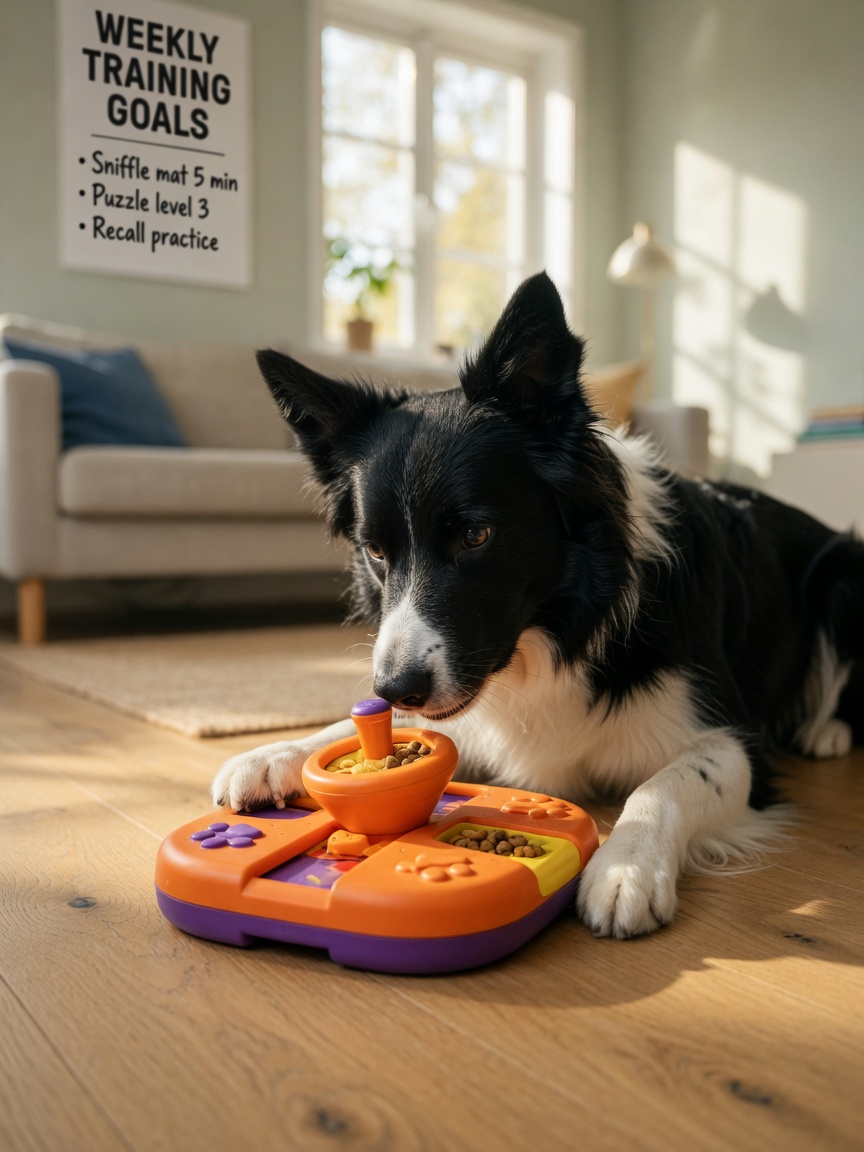
Not all exercise is created equal. A meaningful routine should include multiple types of activity:
- Aerobic exercise: Brisk walks, running, swimming, and fetch—activities that elevate heart rate.
- Mental stimulation: Training sessions, puzzle toys, scent games, and problem-solving activities tire the brain as effectively as physical activity.
- Socialisation: Playtime with other dogs at parks or training classes provides both physical and mental engagement.
- Low-impact movement: Gentle walking, particularly for senior or recovering dogs, maintains fitness without excessive strain.
Recognising Under and Over-Exercise
An under-exercised dog may display destructive behaviour, excessive barking, hyperactivity, or weight gain. Conversely, over-exercised dogs can suffer injury, heat exhaustion, or develop joint problems. Your dog should appear relaxed and settled after exercise, not manic or exhausted.
Creating Your Dog's Ideal Exercise Plan
Start by observing your dog's natural energy levels and consulting your vet about baseline recommendations for their age and breed. Gradually build up activity levels, mixing different exercise types to maintain interest. Remember that mental stimulation counts significantly towards overall needs.
Consistency matters more than occasional intensive sessions. Daily moderate activity beats sporadic intense exercise. Weather considerations are important too—adjust outdoor activity during extreme heat or cold, and provide safe indoor alternatives when necessary.
Key Takeaways
- Exercise needs depend on age, breed, size, temperament, and health status
- Mental stimulation is equally important as physical activity
- Puppies need limited, frequent sessions; adult dogs benefit from daily activity; senior dogs require gentler movement
- Watch for signs of under or over-exercise
- Consistency and variety create the best outcomes
- Always consult your vet about your individual dog's requirements
By understanding and meeting your dog's exercise needs, you're investing in their physical health, emotional wellbeing, and a harmonious household. Every dog deserves activity suited to their unique requirements—and you'll both benefit from the time spent together.
```