

Spring brings a renewed sense of vitality to our four-legged companions, yet it also ushers in a season of heightened health challenges for dog owners across Europe. As the weather warms and outdoor activities increase, our canine partners face fresh environmental risks—from parasites awakening after winter dormancy to seasonal allergies that can significantly impact their wellbeing. In this spring health spotlight, we'll explore the most pressing concerns for our dogs during this transitional season and provide you with evidence-based strategies to keep your furry friend thriving.
Parasites: The Hidden Spring Threat
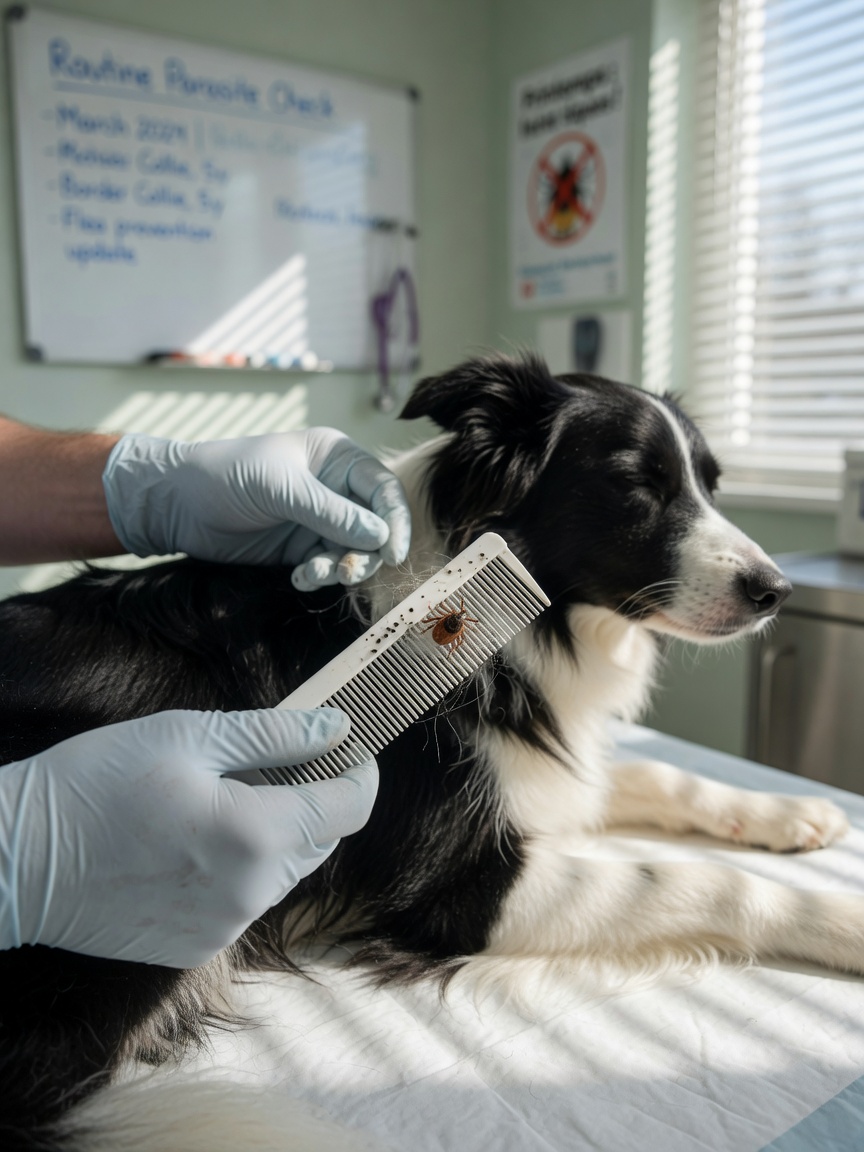
Spring marks the beginning of parasite season, when fleas, ticks, and worms become increasingly active. As temperatures rise above 5°C, flea development cycles accelerate dramatically, and tick activity peaks across most European regions.
- Fleas: A single flea can lay up to 50 eggs daily, establishing infestations rapidly. Watch for excessive scratching, hair loss, and tiny black specks on your dog's skin.
- Ticks: These blood-feeding parasites can transmit serious diseases including Lyme disease and ehrlichiosis. Check your dog thoroughly after walks, particularly in long grass and wooded areas.
- Intestinal worms: Spring moisture creates ideal conditions for worm transmission through contaminated soil and water.
Start or resume year-round parasite prevention now. Your veterinarian can recommend suitable treatments based on your dog's age, weight, and lifestyle. Monthly applications or regular spot-on treatments significantly reduce infestation risk.
Seasonal Allergies and Skin Health
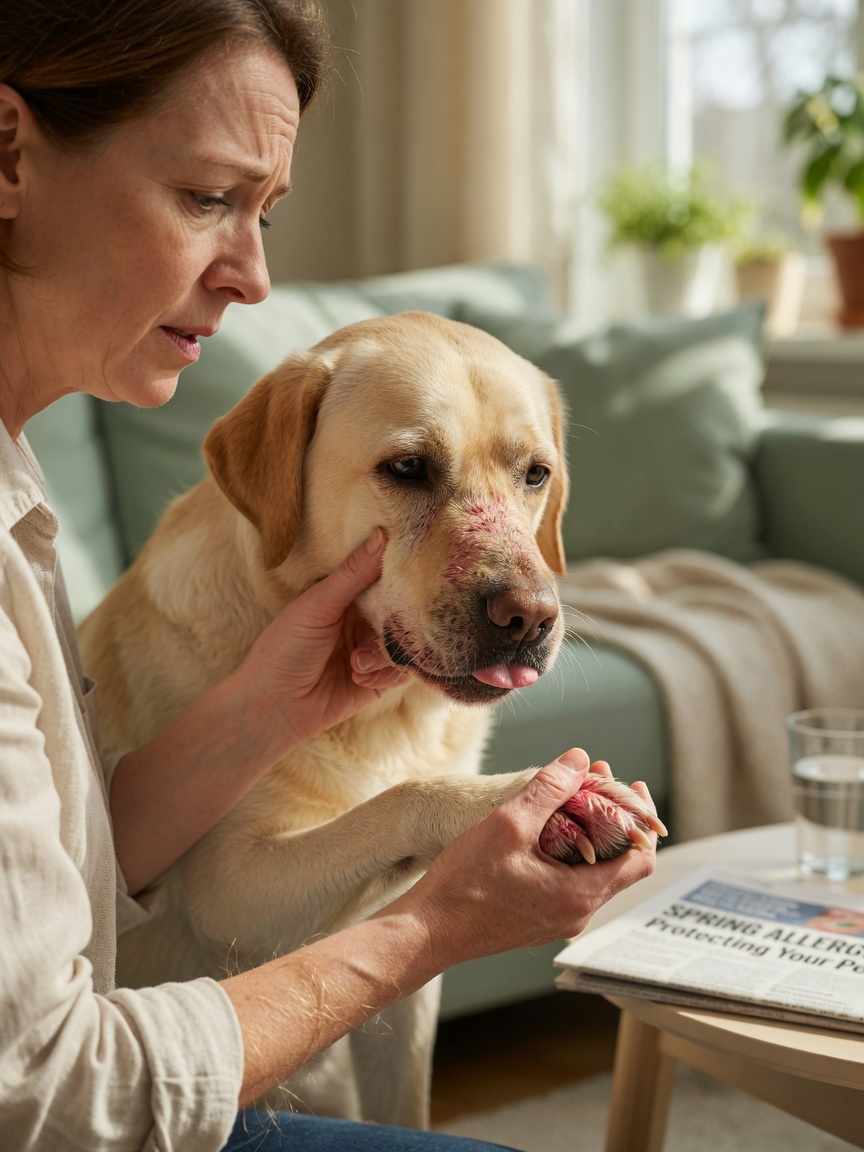
Many dogs experience heightened allergic reactions during spring, triggered by increased pollen, mould spores, and environmental allergens. Spring allergies typically manifest through itching, red inflamed skin, ear infections, and respiratory symptoms.
Common signs include:
- Excessive licking of paws and face
- Chronic ear scratching or head shaking
- Facial redness and skin irritation
- Recurrent ear infections
- Watery eyes and mild nasal discharge
If your dog displays these symptoms, consult your veterinarian. They may recommend antihistamines, omega-3 supplementation, or hypoallergenic diets to support skin barrier function. Regular bathing with gentle, medicated shampoos can help remove environmental allergens from your dog's coat.
Exercise and Weight Management
Spring weather encourages outdoor activities, offering excellent opportunities to increase your dog's exercise levels after winter's indoor confinement. However, sudden increases in activity can lead to injury, particularly in older dogs or those with joint conditions.
Gradually increase exercise intensity over two to three weeks, allowing your dog's muscles and cardiovascular system to adapt. Incorporate varied activities including walking, swimming, and gentle play to build overall fitness and prevent overuse injuries.
Nutritional Considerations for Spring
As activity levels increase, your dog's nutritional requirements may change. Ensure your canine partner receives a balanced diet with appropriate protein content to support muscle maintenance and repair. Spring vegetables and fruits can complement commercial diets, but always introduce new foods gradually to avoid digestive upset.
Hydration becomes increasingly important as temperatures rise. Provide fresh water throughout the day, particularly after exercise and outdoor activities.
Dental Health and Preventative Care
Spring is an ideal time to schedule dental check-ups with your veterinarian. Regular dental care prevents serious infections and systemic health issues. Ask about professional cleaning options and establish home brushing routines using dog-specific toothpaste.
Key Spring Health Takeaways
Spring presents both opportunities and challenges for canine health. By implementing year-round parasite prevention, monitoring for allergic reactions, gradually increasing exercise, maintaining proper nutrition, and prioritising preventative care, you'll help your dog enjoy this season safely. Contact your veterinarian if you notice behavioural changes, persistent scratching, or signs of discomfort. With proactive management, spring can be a wonderful season for strengthening your bond with your canine partner whilst maintaining their optimal health.