
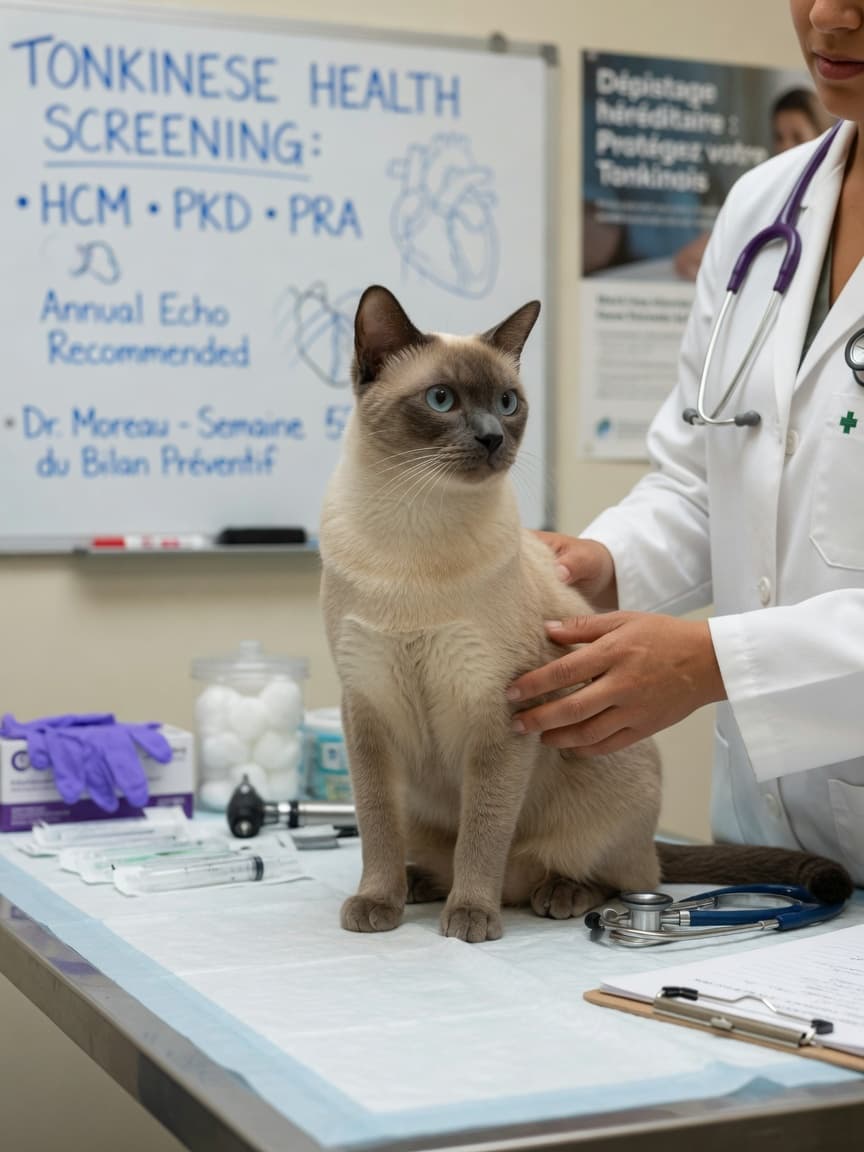
The Tonkinese: More Than a Siamese-Burmese Cross
Ask most cat enthusiasts about the Tonkinese and they will describe an outgoing, vocal, intensely social cat that bridges the elegance of the Siamese with the sturdiness of the Burmese. What fewer people know is that this genetic heritage brings not only appealing personality traits but also a set of inherited health risks that prospective owners and current carers need to understand. Two areas stand out: the risk of feline amyloidosis and a tendency toward upper respiratory vulnerability.
Feline Amyloidosis: Understanding the Inherited Risk
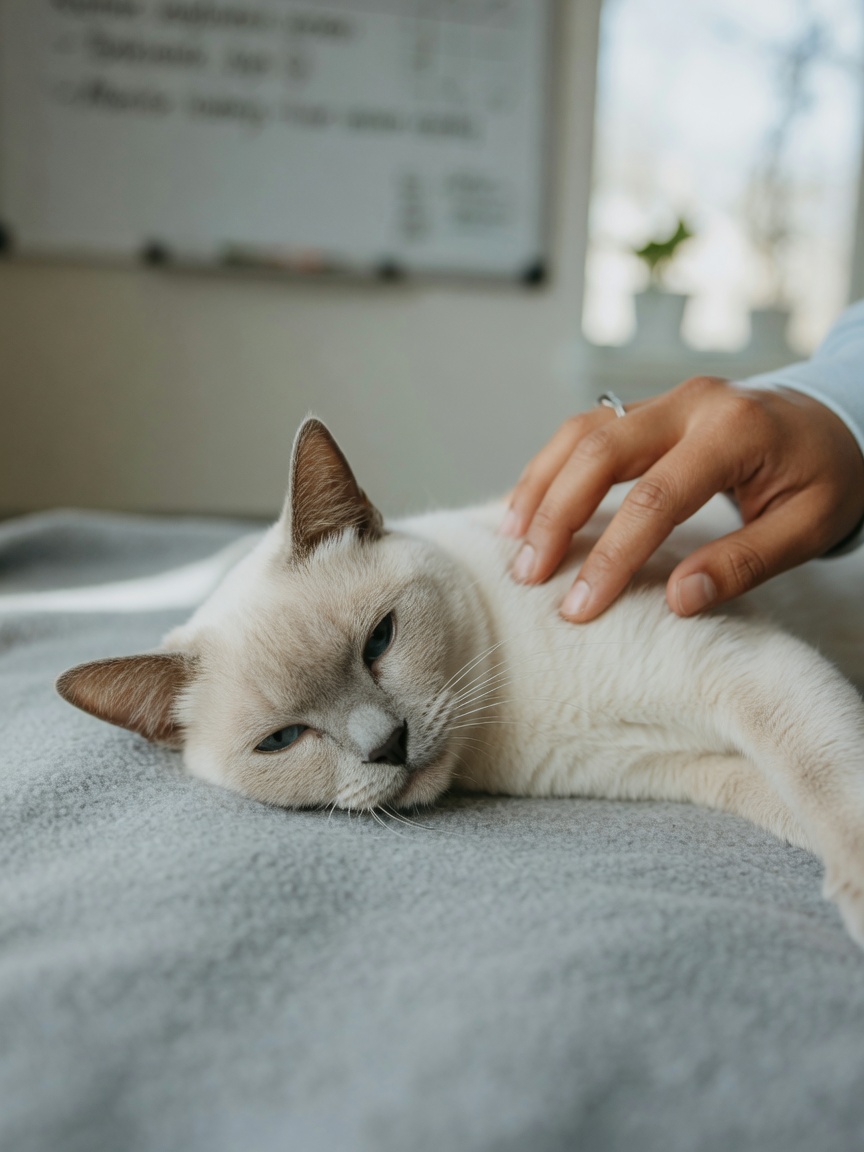
Amyloidosis is a disease in which abnormal protein deposits — called amyloid fibrils — accumulate in organs, progressively impairing their function. In cats, the liver and kidneys are the organs most commonly affected. Because the Tonkinese inherits genetic material from both the Siamese and Burmese — both of which have documented amyloidosis risk — the Tonkinese is considered a breed with elevated susceptibility to this condition.
How Amyloidosis Manifests
Feline amyloidosis often presents insidiously. In the hepatic (liver) form, which is more characteristic of the Siamese lineage, cats may present suddenly with abdominal haemorrhage caused by liver rupture — an acute, life-threatening emergency. In the renal (kidney) form, the presentation is more gradual: weight loss, increased thirst and urination, lethargy, vomiting, and poor coat condition as chronic kidney disease progresses.
There is no cure for amyloidosis, and the prognosis is guarded once significant organ involvement is confirmed. Management is supportive — addressing symptoms and slowing progression rather than reversing the underlying protein deposition.
What Owners Can Do
Early detection is the most meaningful tool available. Regular blood panels — including liver enzymes, kidney function markers, and urinalysis — give the best chance of catching organ involvement before the clinical signs become severe. Discuss a screening schedule with your vet, particularly as your Tonkinese reaches middle age. Feeding a diet that does not place unnecessary stress on the liver or kidneys — adequate protein but not excessive, with good moisture content — is a reasonable preventive measure, though it will not prevent amyloidosis from occurring in genetically predisposed cats.
Respiratory Vulnerabilities in the Tonkinese
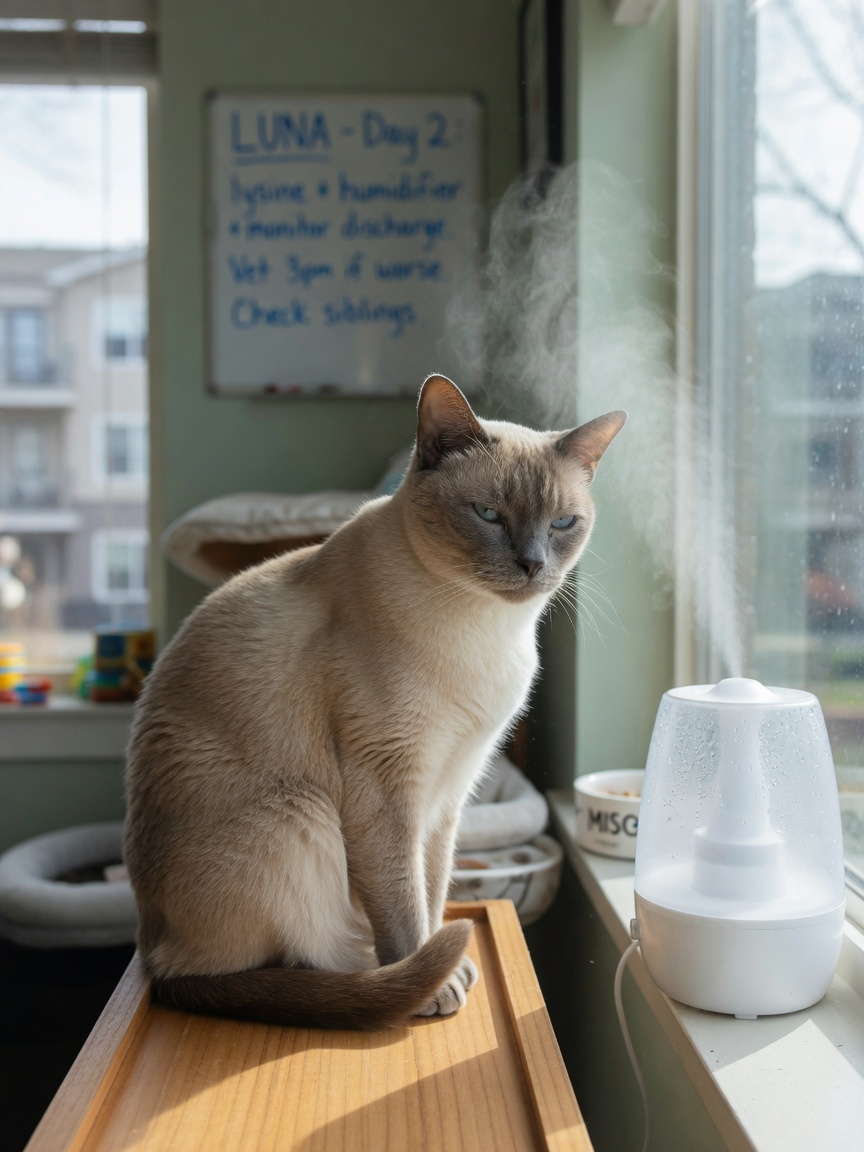
The Tonkinese does not carry the extreme brachycephalic features of a Persian or British Shorthair, but its moderate facial structure and inherited susceptibility from Siamese lines place it at greater risk of upper respiratory tract infections than the average domestic shorthair. Feline herpesvirus (FHV-1) and feline calicivirus (FCV) are the primary infectious culprits, and Tonkinese cats can experience more pronounced or prolonged episodes than some other breeds.
Herpesvirus: A Lifelong Passenger
Once a cat is infected with FHV-1, the virus establishes latency in nerve ganglia and remains for life. Stress — from rehoming, travel, multi-cat household tension, or illness — can trigger reactivation, leading to sneezing, nasal discharge, conjunctivitis, and occasionally corneal ulcers. Tonkinese cats in multi-cat households or those with a history of early respiratory illness are particularly prone to recurrent episodes.
Managing herpesvirus in the Tonkinese involves reducing stressors where possible, ensuring excellent vaccination status (vaccination reduces severity rather than preventing infection in already-exposed cats), and discussing lysine supplementation with your vet — though evidence for lysine's efficacy in cats remains mixed and your vet's guidance is essential.
Calicivirus and Secondary Bacterial Infections
Feline calicivirus can cause oral ulceration in addition to respiratory signs, and the Tonkinese's sociable nature — often living in multi-cat environments where transmission is easier — increases exposure risk. Secondary bacterial infections frequently complicate viral upper respiratory infections, requiring antibiotic treatment. A cat that develops persistent nasal discharge, mouth ulcers, or laboured breathing warrants prompt veterinary assessment.
Eye Health and the Siamese Connection
Inheriting from Siamese lineage also brings some predisposition to ocular issues. Squinting, strabismus (crossed eyes), and nystagmus (involuntary eye movement) have been observed at low rates in Tonkinese cats due to the same genetic pathways that influence coat colour pigmentation and optic nerve development. While these are generally not painful conditions, they should be assessed by a vet to rule out treatable causes.
Supporting a Tonkinese Through Life
The Tonkinese thrives with enrichment, social interaction, and a stable home environment — all of which also reduce stress-related herpesvirus flare-ups. Nutritionally, a moisture-rich, high-protein diet supports kidney and liver health over the long term. Avoid unnecessary dietary stress by not switching foods frequently or experimenting with fad diets without veterinary input.
Key Recommendations for Tonkinese Owners
- Schedule annual blood panels including liver enzymes, kidney markers, and urinalysis from five years of age.
- Report any acute abdominal symptoms — swelling, pain, collapse — to a vet immediately, as liver haemorrhage is a possibility in this breed.
- Keep vaccinations current; FHV-1 and FCV vaccination reduces severity of respiratory illness.
- Minimise household stressors to reduce herpesvirus reactivation risk.
- Monitor for persistent sneezing, nasal discharge, or mouth ulcers and seek veterinary assessment promptly.
- Feed a high-quality, moisture-rich diet and discuss organ-supportive nutrition with your vet.
- Discuss any supplement use — including lysine — with a vet before starting.