
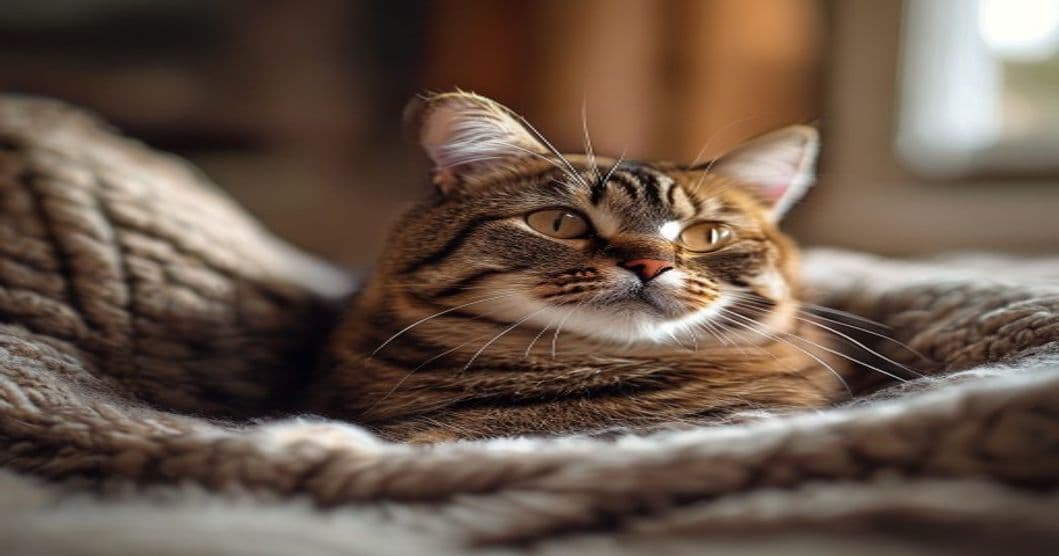
No Fur Does Not Mean No Complications
The Sphynx cat draws attention everywhere it goes — that wrinkled, velvety skin and enormous ears make it unmistakable. Many people assume that an absence of fur means an absence of grooming work and health complexity. In practice, the opposite is closer to the truth. Sphynx cats require more attentive day-to-day care than many coated breeds, and they carry a significant predisposition to a serious heart condition that demands structured veterinary monitoring throughout their lives.
Hypertrophic Cardiomyopathy: The Primary Threat
Hypertrophic cardiomyopathy (HCM) is disproportionately common in Sphynx cats. Research suggests prevalence rates significantly higher than in the general domestic cat population, with some studies identifying echocardiographic abnormalities in over a third of screened animals. The condition causes progressive thickening of the left ventricular wall, impairing the heart's filling capacity and increasing the risk of congestive heart failure and thromboembolic events.
Recognising the warning signs
HCM can remain clinically silent for years. When symptoms emerge, they may include faster-than-normal resting respiratory rate, open-mouth breathing, exercise intolerance, or sudden collapse. Aortic thromboembolism — where a clot occludes blood supply to the hind limbs — presents as acute paralysis and intense pain, and constitutes a veterinary emergency. Any Sphynx owner should know their cat's normal resting respiratory rate (typically 16–30 breaths per minute at rest) and contact a vet if it rises significantly.
Screening and genetics
A variant of the MYBPC3 gene has been identified in some Sphynx populations, but as with many breeds, genetic testing does not capture all disease-causing variants. Echocardiographic screening by a veterinary cardiologist is essential. Breeding cats should be screened annually from twelve to eighteen months of age. Pet owners should discuss baseline cardiac assessment with their vet and consider repeat echocardiograms every one to two years. Early diagnosis allows for medical management that may delay progression and improve quality of life.
Skin Care: More Demanding Than It Looks
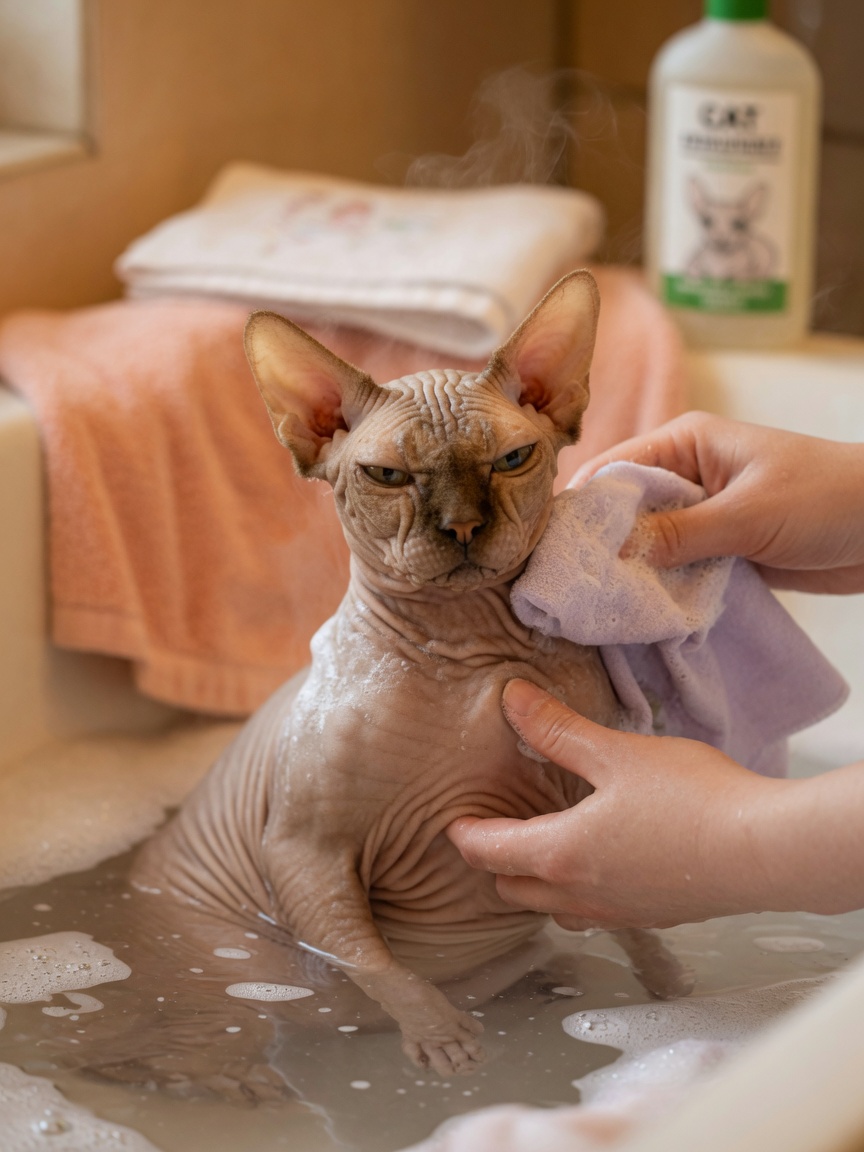
Without fur to absorb the skin's natural oils and shed particles, Sphynx cats accumulate a waxy, brownish sebaceous residue — particularly in skin folds, around the ears, and at the base of the nails. This is normal, but if left unmanaged it can cause skin irritation, bacterial or yeast overgrowth, and discomfort.
Bathing routine
Most Sphynx cats benefit from a bath every one to two weeks using a gentle, cat-appropriate shampoo. Introduce bathing early in kittenhood to habituate the cat to the process. Use lukewarm water, avoid getting water into the ears, and dry the cat thoroughly afterwards — which leads directly to the temperature issue discussed below. Between baths, use damp cotton pads to wipe skin folds and the ear canal opening, being careful not to insert anything deep into the ear.
Nail and ear care
Nails accumulate dark waxy debris at the base and should be cleaned during grooming sessions. Ears require weekly inspection and gentle cleaning with a veterinarian-recommended solution. Sphynx cats are prone to ear mite infestation and bacterial ear infections, particularly if ear cleaning is neglected.
Temperature Regulation and Environmental Needs
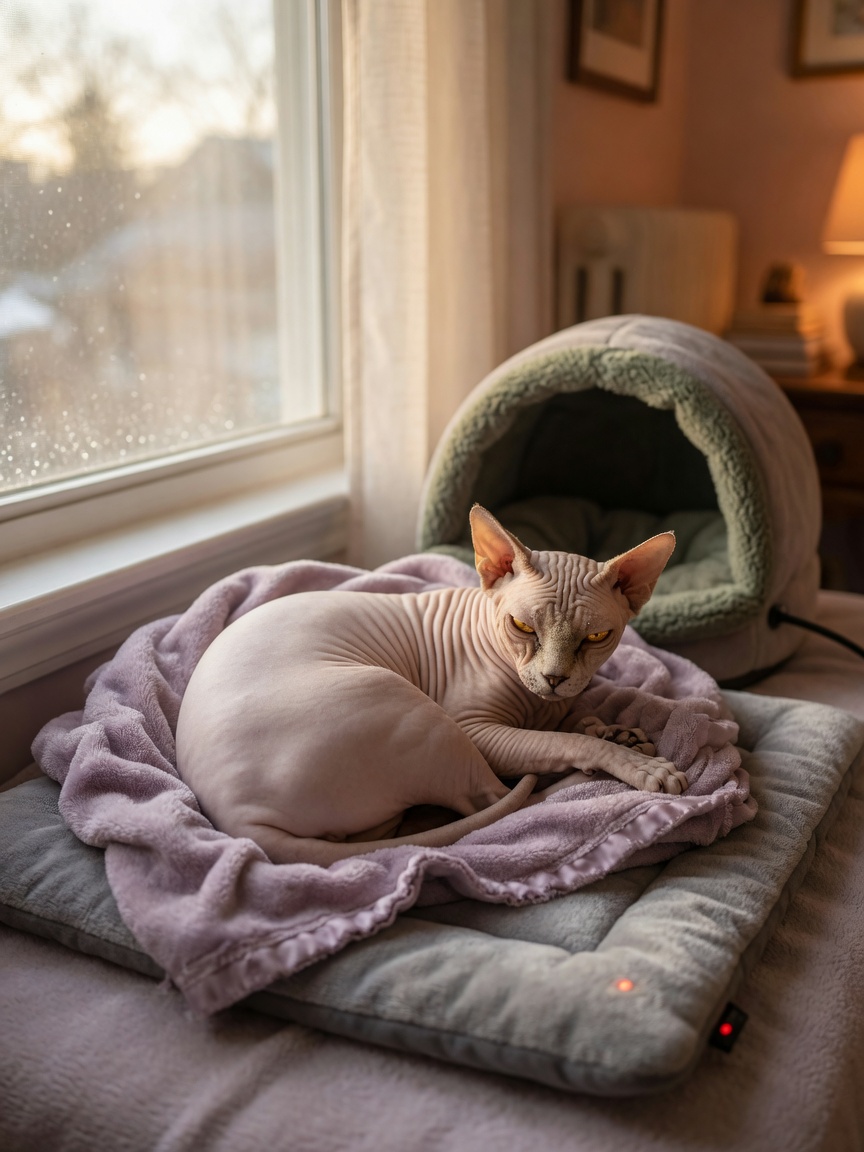
The Sphynx lacks the insulating layer provided by a fur coat, making it highly sensitive to environmental temperature. These cats lose body heat rapidly and will seek warmth compulsively — burrowing under blankets, pressing against warm bodies, and gravitating toward radiators. In cool climates or air-conditioned homes, owners must actively ensure the cat has access to warm resting spots.
Practical measures
Provide thermal blankets, heated beds, or covered sleeping pods to allow the cat to thermoregulate independently. Keep indoor temperatures above 18–20°C in cooler months. Sphynx cats should not be left outside unsupervised in cold or wet conditions; many owners keep them as exclusively indoor cats for this reason as well as for their vulnerability to sunburn — yes, Sphynx skin can burn in direct sunlight, and prolonged exposure should be avoided. If your cat has access to a sunny window, monitor for skin redness.
Digestive Sensitivity
Sphynx cats have notably fast metabolisms and tend to eat more than their coated counterparts relative to body size. They are also prone to digestive upset, including loose stools, bloating, and sensitivity to dietary changes. Feed a high-quality, digestible diet appropriate to the cat's life stage. Introduce any dietary change gradually over seven to ten days. Persistent gastrointestinal issues warrant veterinary investigation to rule out inflammatory bowel disease or food intolerance.
Essential Care Summary for Sphynx Owners
- Arrange echocardiographic HCM screening annually from twelve to eighteen months of age.
- Learn your cat's normal resting respiratory rate and monitor it monthly.
- Bathe your cat every one to two weeks with a gentle, feline-appropriate shampoo.
- Clean skin folds, ears, and nail bases weekly to prevent bacterial and yeast build-up.
- Maintain indoor temperatures at a comfortable level and provide thermal bedding year-round.
- Avoid prolonged sun exposure to prevent sunburn on exposed skin.
- Feed a high-quality, digestible diet and introduce changes slowly.
- Consult your vet at the first sign of respiratory changes, skin infection, or gastrointestinal upset.
The Sphynx is a rewarding, affectionate cat that forms exceptionally close bonds with its owners. Meeting its specific health and care needs requires commitment, but for those prepared to provide it, the Sphynx gives back in personality what it lacks in fur.