
Siamese Cat Diseases: A Breed Health Guide
The Siamese is one of the oldest and most recognisable cat breeds in the world, known for its striking blue eyes, colour-point coat, and vocal personality. While Siamese are generally a healthy and long-lived breed — many reaching 15 years or more — they are predisposed to certain conditions that owners should be aware of. Knowledge of these breed-specific risks enables earlier recognition and better outcomes.
Progressive Retinal Atrophy (PRA)

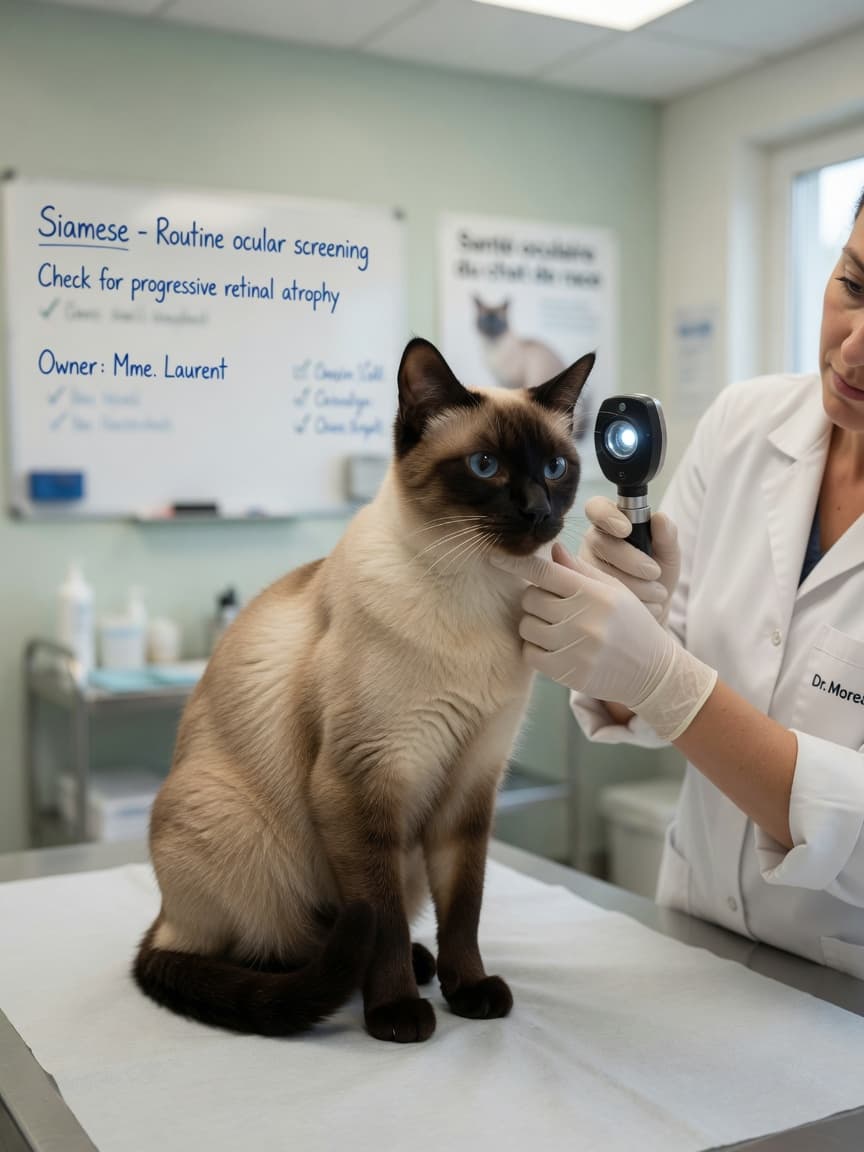
Progressive retinal atrophy is a group of hereditary diseases that cause the gradual degeneration of the retina, leading to progressive vision loss and eventual blindness. In Siamese cats, rdAc-PRA (rdy-associated cone degeneration) has been identified and a DNA test is available. Affected cats show night blindness first, followed by deteriorating day vision.
Responsible Siamese breeders across Europe should DNA test all breeding animals and provide test certificates to buyers. A clear result confirms the cat does not carry the mutation and cannot develop or transmit rdAc-PRA. While there is no cure for PRA, blind cats typically adapt well to familiar environments and can live comfortably with appropriate management.
Amyloidosis
Hepatic amyloidosis is a serious and life-threatening condition with an elevated prevalence in Siamese cats compared to the general cat population. It involves the abnormal deposition of amyloid protein — an insoluble fibrous material — in the liver. Over time, the accumulated amyloid displaces normal liver tissue, causing progressive liver failure. In Siamese cats, liver rupture causing sudden, severe internal haemorrhage is a recognised and devastating complication.
Clinical signs are often non-specific and may develop gradually: weight loss, reduced appetite, lethargy, and abdominal distension due to fluid accumulation (ascites). Jaundice (yellowing of the eyes and gums) may develop in advanced cases. There is no specific treatment for amyloidosis; management is supportive, focused on maintaining quality of life for as long as possible.
The genetic basis of amyloidosis in Siamese cats is not fully characterised, and there is currently no DNA test available. Breeders should select away from breeding lines with a history of the condition.
Feline Asthma and Lower Airway Disease
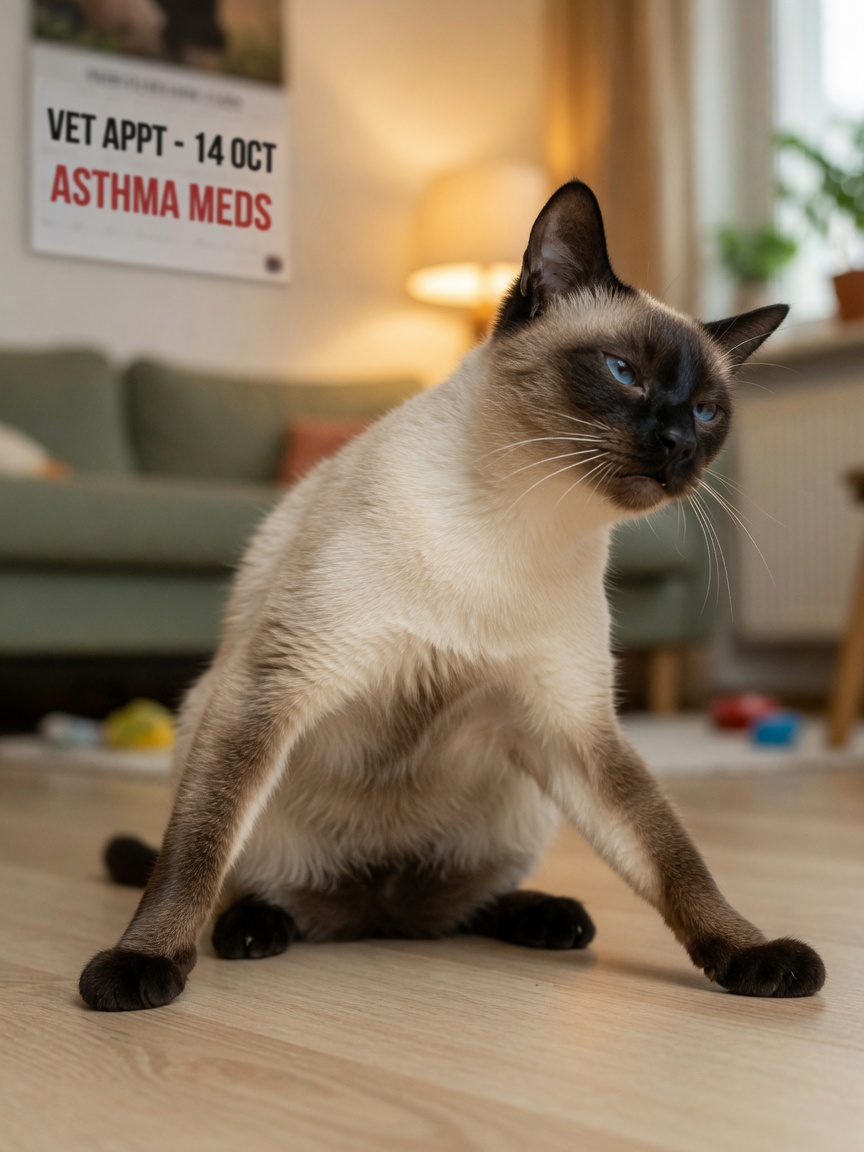
Siamese cats have a higher-than-average incidence of feline asthma and chronic bronchitis (collectively referred to as feline lower airway disease). These conditions cause intermittent or chronic airway inflammation and bronchoconstriction, resulting in coughing, wheezing, and episodes of respiratory distress.
During an acute asthma attack, a Siamese cat may adopt a characteristic crouched position with neck extended and elbows out, breathing rapidly and with obvious effort. This is an emergency requiring immediate veterinary attention. Diagnosis involves chest radiography and bronchoscopy or bronchoalveolar lavage (BAL) to assess airway inflammation.
Management includes identifying and eliminating triggers (cigarette smoke, scented candles, aerosol sprays, dusty cat litter), bronchodilators, and corticosteroids. Metered dose inhalers delivered via a feline spacer device (such as the AeroKat) are the preferred long-term treatment, avoiding the systemic side effects of oral steroids.
Mediastinal Lymphoma
Siamese cats have a markedly elevated risk of mediastinal (thymic) lymphoma compared to other breeds — a form of cancer affecting the lymphoid tissue in the chest. This form of lymphoma is associated with feline leukaemia virus (FeLV) infection in some cases, making FeLV vaccination particularly important in this breed.
Mediastinal lymphoma typically causes respiratory signs due to a mass in the chest compressing the lungs and trachea: laboured breathing, coughing, and reduced exercise tolerance. Fluid accumulation around the lungs (pleural effusion) is common. Diagnosis involves radiography, ultrasound, and cytological analysis of fluid or tissue samples. With chemotherapy, some cats achieve meaningful remission, though the prognosis varies considerably.
Dental Disease
Siamese cats are prone to periodontal disease and tooth resorption — a painful condition in which the tooth structure is progressively destroyed by cellular activity. Regular dental check-ups, ideally with radiographs, allow early identification of tooth resorption lesions. Daily tooth brushing from kittenhood is the most effective preventive measure. Dental diets and treats can complement brushing but do not replace it.
Gastrointestinal Issues
Siamese cats appear to be more prone to inflammatory bowel disease (IBD) than the general cat population. IBD causes chronic gastrointestinal signs including vomiting, diarrhoea, weight loss, and reduced appetite. Diagnosis requires endoscopy and biopsy to classify the type and severity of intestinal inflammation. Treatment typically involves immunosuppressive therapy and dietary modification with hydrolysed or novel protein diets. Premium therapeutic gastrointestinal diets are available at Zooplus.
Convergent Strabismus and Nystagmus
A mild degree of convergent strabismus (crossed eyes) and nystagmus (involuntary eye movement) is seen in some Siamese cats due to the abnormal routing of visual nerve fibres linked to their colour genetics. This is a breed characteristic rather than a disease — it does not cause pain or significant visual impairment and requires no treatment.
Preventive Care for Siamese Cats
Siamese cats benefit from the following preventive measures:
- Annual veterinary health checks from adulthood, increasing to twice yearly from ten years of age
- FeLV vaccination, particularly for cats with outdoor access or exposure to other cats
- DNA testing of breeding animals for rdAc-PRA
- Annual dental examination and professional cleaning as needed
- Elimination of indoor air pollutants to reduce asthma risk
- Regular weight monitoring — weight loss is often the earliest sign of systemic disease
With attentive ownership and good veterinary care, Siamese cats are a rewarding and long-lived companion animal that can thrive well into their late teens.