

Preventive Healthcare Costs vs Emergency Costs: A Realistic Comparison
The cost of keeping a pet healthy tends to feel optional until the moment it becomes unavoidable. Preventive care sits in the budget as a discretionary line item right up until an emergency removes all discretion from the situation. Understanding the actual financial arithmetic behind prevention versus crisis intervention changes how most pet owners approach routine care.
What Preventive Care Actually Costs Per Year
Preventive care costs vary by species, size, age, and location, but a reasonable baseline for an adult dog in the UK includes an annual health examination, core vaccinations where due, monthly parasite prevention, and dental maintenance. Annual examination fees typically run between £50 and £90 at most practices. Parasite prevention for a medium-sized dog runs approximately £100 to £180 per year depending on the products used. Dental descaling under anaesthetic, recommended every one to three years, costs between £200 and £400.
For cats, the figures are somewhat lower. Annual exams fall in a similar range, parasite products cost less, and dental procedures are generally comparable. Blood panels for senior animals add £80 to £150 per year when indicated.
A reasonable total annual preventive spend for a healthy adult dog might be £350 to £600. For a cat, £250 to £450. These are not trivial sums, but they are predictable, spreadable across the year, and within reach of a planned budget.
What Emergencies Actually Cost
Emergency and specialist veterinary care operates in an entirely different financial register. Out-of-hours emergency consultations alone typically start at £150 to £200 before any treatment begins. Hospitalisation for observation costs £300 to £600 per night at most specialist centres.
Common emergency presentations give a clearer picture of the scale involved:
- Gastric dilatation and volvulus (bloat) in dogs — surgical intervention typically costs £3,000 to £7,000 and has no guaranteed outcome
- Urinary blockage in male cats — treatment and hospitalisation usually runs £800 to £2,000
- Foreign body ingestion requiring surgery — commonly £1,500 to £3,500 depending on complexity
- Diabetic ketoacidosis — intensive care and stabilisation typically costs £1,500 to £4,000
- Pyometra (uterine infection) in unspayed females — emergency surgery runs £1,000 to £2,500
- Intervertebral disc disease requiring spinal surgery — £3,000 to £8,000 at specialist centres
These are not rare events. They represent some of the most common reasons dogs and cats are presented as emergencies in UK veterinary practices every day.
Where Prevention Directly Reduces Emergency Risk
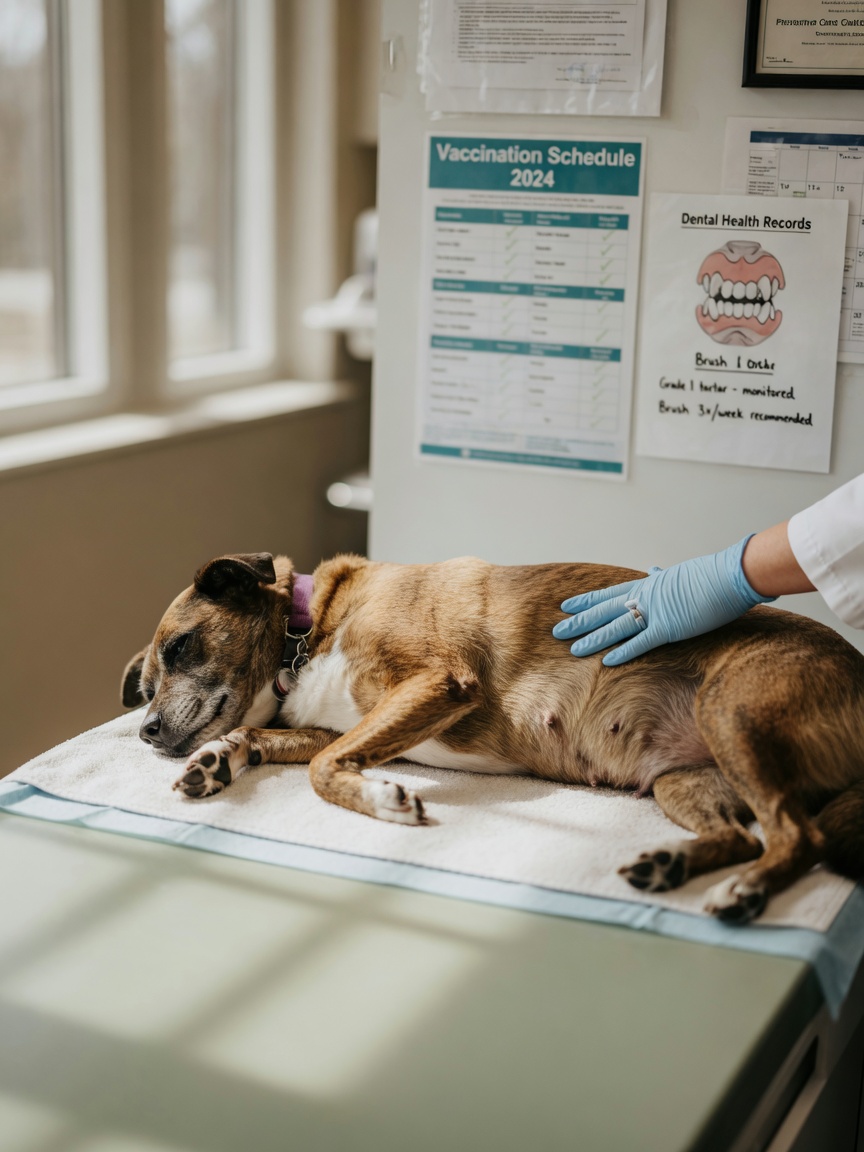
Some of the clearest preventive return on investment comes from specific interventions with well-documented outcomes.
Spaying females eliminates pyometra entirely. It also dramatically reduces the risk of mammary tumours when performed before the second season. Neutering male cats removes the primary motivation for territorial roaming, which in turn reduces road traffic injuries and fighting wounds — two of the most common reasons male cats arrive in emergency.
Dental disease, if untreated, does not stay in the mouth. Chronic oral bacteria shed into the bloodstream and are associated with cardiac valve disease, kidney inflammation, and liver damage. The cost of treating any of these conditions dwarfs the cost of annual dental care. Studies in veterinary cardiology have found correlations between periodontal disease severity and mitral valve disease progression in dogs — a condition that eventually requires expensive cardiac medication and monitoring.
Weight management reduces the incidence of type 2 diabetes in cats, cruciform ligament rupture in dogs, and degenerative joint disease in both species. Surgical repair of a ruptured cruciate ligament costs between £2,500 and £5,000 per leg. Diabetic management, once established, costs £50 to £150 per month for insulin and monitoring for the remainder of the animal's life.
The Insurance Calculation
Pet insurance does not change the underlying arithmetic of prevention versus emergency, but it significantly changes who bears the financial risk. Lifetime comprehensive policies for dogs typically cost £40 to £100 per month depending on breed and age at enrolment. Cats are generally less expensive to insure, running £15 to £50 per month.
The critical point most pet owners discover too late is that insurance covers unexpected illness and injury, not pre-existing conditions, and not routine preventive care. Insuring a pet that already has a condition on record means that condition is excluded. Starting coverage before problems develop is substantially more valuable than starting it after.
Breed matters significantly here. Brachycephalic breeds — French bulldogs, pugs, British shorthair cats — have high baseline probabilities of respiratory, orthopaedic, and skin problems. Their insurance premiums reflect this, but so does their expected emergency expenditure without insurance.
The Hidden Costs of Delayed Prevention
There is a category of cost that rarely appears in straightforward comparisons: the cost of treating a condition that could have been prevented, not as an emergency, but as a chronic managed disease. Hypothyroidism managed with daily medication. Arthritis managed with ongoing anti-inflammatory drugs and physiotherapy. Dental disease managed with repeated procedures because early treatment was declined.
Chronic disease management costs are insidious because they accumulate invisibly. Monthly medications at £30 per month are £360 per year for the rest of the animal's life. Quarterly monitoring visits for a pet on long-term medication add another £200 to £400 annually. These costs are not included in emergency comparisons but are very much part of the total financial picture of deferred preventive care.
Making Preventive Care Financially Manageable
Many practices now offer health plan subscriptions that spread preventive care costs across monthly payments. These typically cover the annual examination, vaccinations, and parasite prevention for a fixed monthly fee and represent reasonable value compared with paying for each element individually.
The honest financial case for preventive care does not rely on preventing every emergency — some emergencies happen regardless. It rests on reducing the probability of the most expensive and most avoidable ones, managing chronic disease earlier when it is cheaper and more responsive to treatment, and approaching pet ownership with a financial plan rather than a hope that nothing goes wrong.