
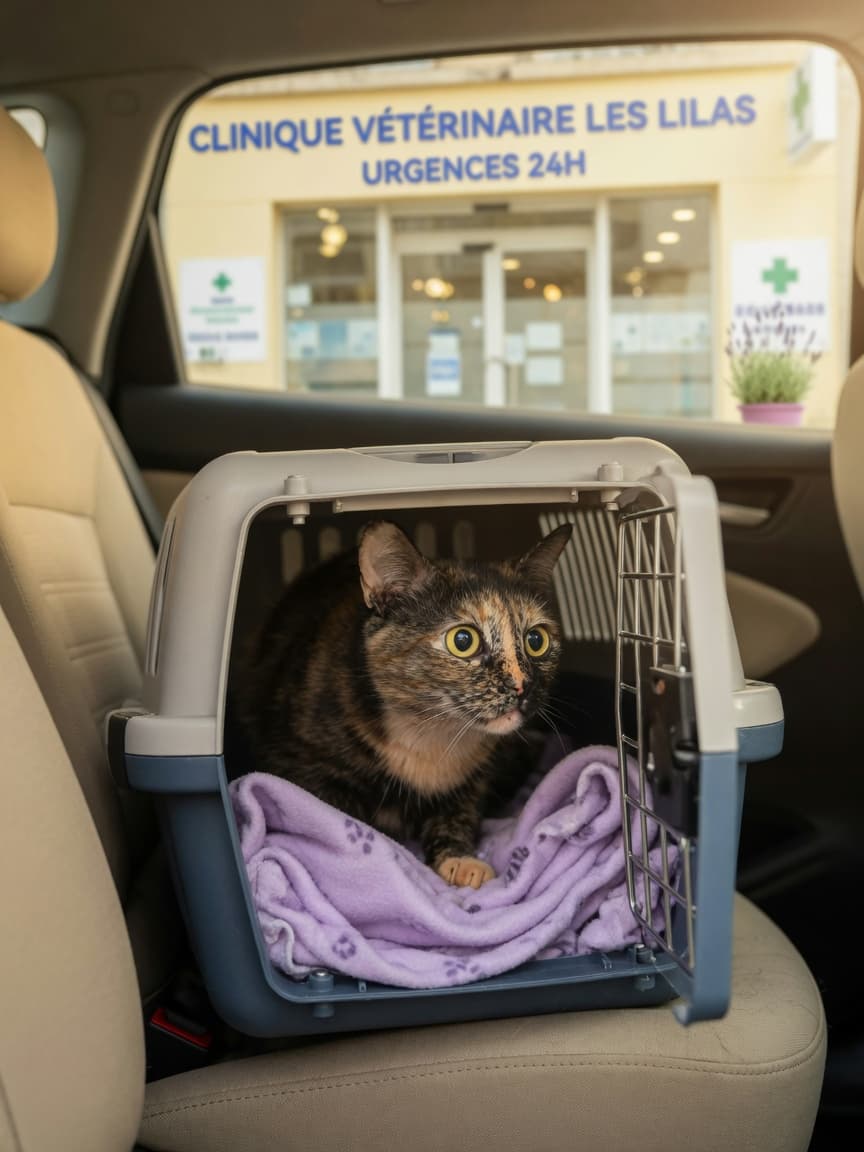
The Vet Visit Does Not Have to Be Traumatic
For many dogs and cats, a trip to the vet ranks among the most stressful experiences of their lives. This is not inevitable. Stress during veterinary visits is not merely a comfort issue — it affects the reliability of clinical findings, reduces compliance with treatment, and can cause lasting negative associations that make future care progressively harder. Addressing it is a clinical priority, not an optional extra.
Why Pets Find Vet Visits Stressful
Understanding the source of stress helps target the solution. The veterinary environment exposes animals to unfamiliar smells — including pheromones from stressed animals who visited before them — unusual sounds, handling by strangers, and procedures that may cause discomfort. For cats in particular, the journey itself is a major stressor: confinement in a carrier, car motion, and the unfamiliar environment all compound before the clinic is even reached.
Dogs often cope better with novel environments due to their socialisation history, but dogs who have had unpleasant vet experiences can develop significant anticipatory anxiety that manifests from the moment the lead is picked up.
Preparing Cats: Starting Well Before the Day
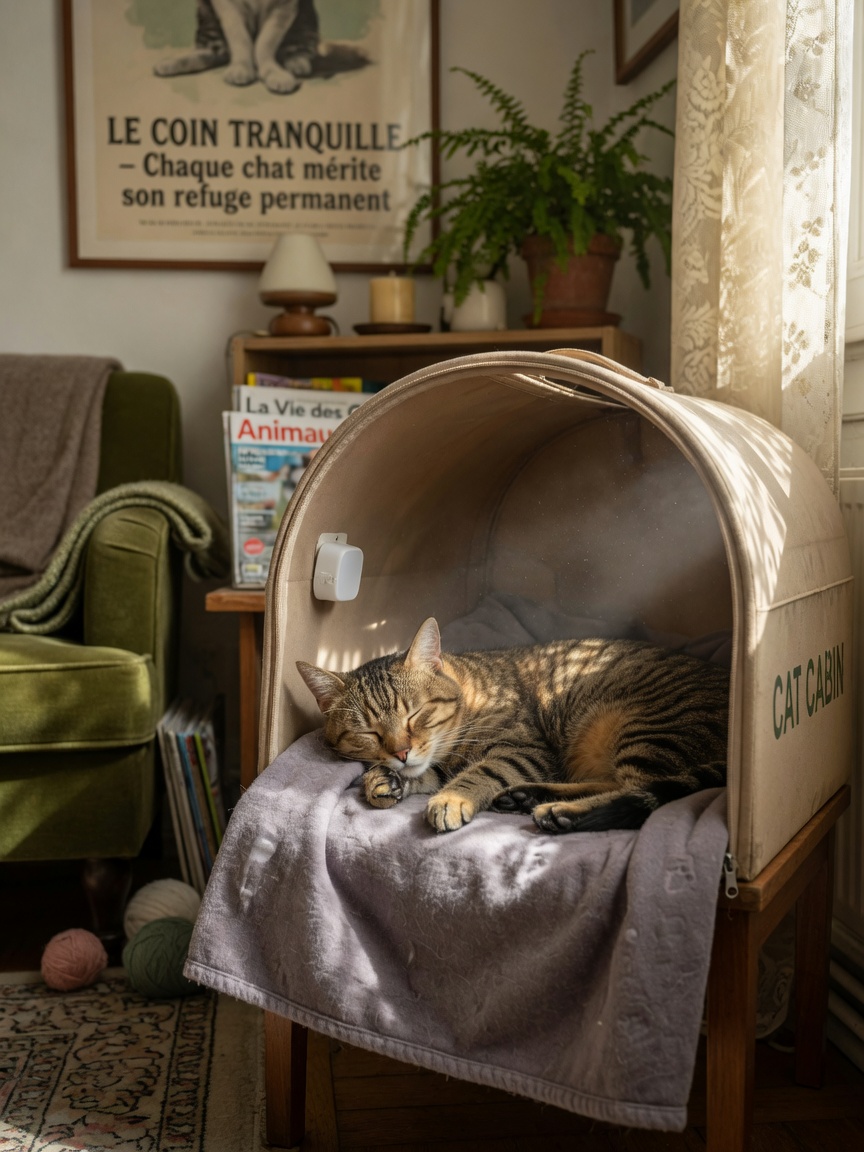
The carrier is the foundation
The single most impactful change cat owners can make is to leave the carrier out permanently as a piece of ordinary furniture. A carrier that only appears before vet visits becomes a conditioned cue for stress. A carrier that contains a familiar blanket, that the cat voluntarily enters and sleeps in, is a neutral — or even positive — object.
Line the carrier with bedding that carries the cat's own scent. Synthetic feline facial pheromone sprays, applied to the interior 30 minutes before travel, have reasonable evidence behind them for reducing transport-related anxiety.
The journey
Cover the carrier with a light cloth during travel to reduce visual stimulation. Secure it on the car seat to minimise movement. Keep the car quiet. For cats with significant travel anxiety, speak to your vet about options — there are both behavioural and pharmaceutical approaches that can make a meaningful difference.
Preparing Dogs: Building Positive Associations
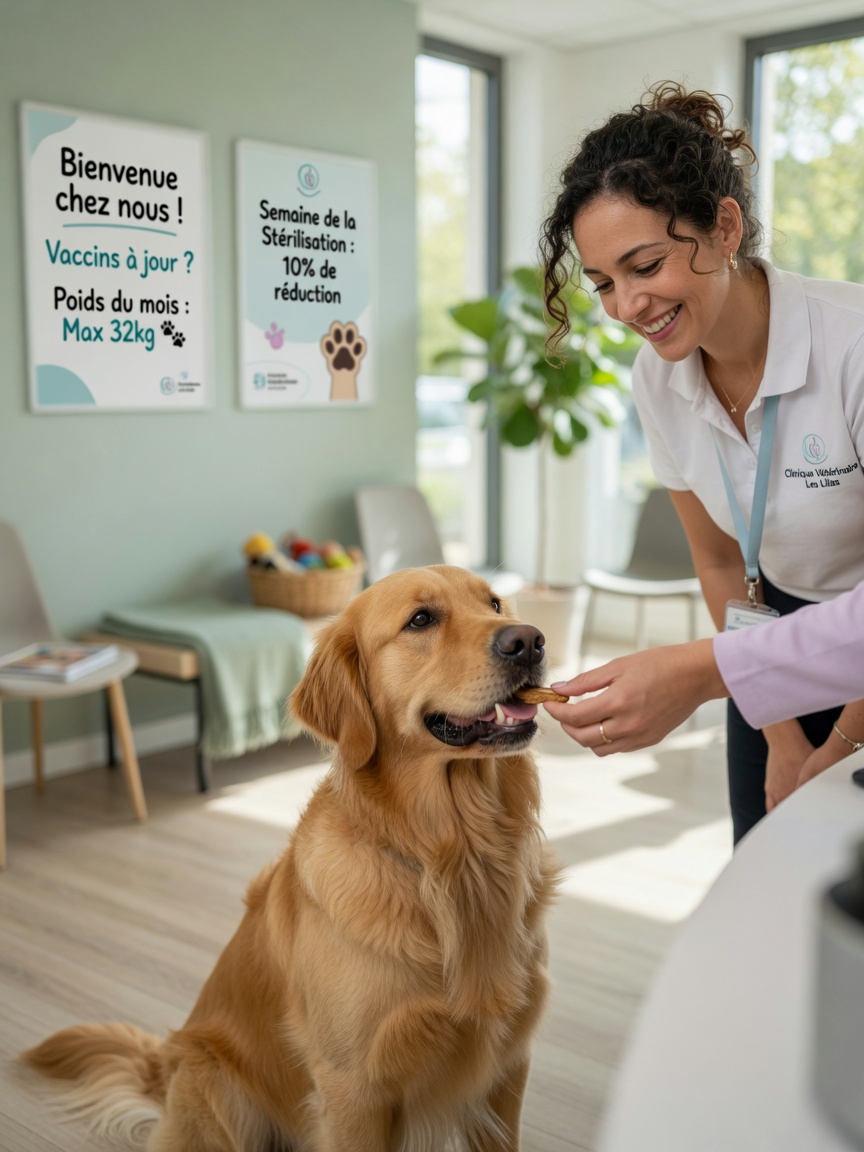
If your dog is anxious about the vet, proactive desensitisation is more effective than reactive management. This means making the vet surgery a place where good things happen — not only when your dog is unwell.
Many veterinary practices welcome dogs for brief social visits outside of appointments: a walk-in to be weighed, a brief hello with a receptionist, a treat and a departure. These low-stakes exposures, repeated regularly, reshape the dog's emotional response to the environment over time.
On the day of an appointment, exercise your dog before attending — a tired dog is a calmer dog. Bring high-value treats that are not available at other times and use them liberally throughout the visit.
Practical Steps for Both Species
- Withhold food for two to three hours before the visit — a slightly empty stomach increases motivation for treats used during the appointment.
- Arrive a few minutes early but avoid a long wait in the waiting room if your pet is becoming distressed. Ask to wait outside or in your car and request a text when the vet is ready.
- Bring a familiar blanket or toy that carries home scent.
- Stay calm yourself. Animals read human anxiety accurately — if you are tense, your pet will register that as a signal that there is genuine cause for concern.
- Request a quieter time of day if your pet is particularly reactive. Many practices can advise on their less busy appointment slots.
When Anxiety Is Severe
For pets with established veterinary phobia, behavioural modification takes time and consistency. In the interim, your vet can discuss appropriate pre-visit medication — anxiolytics prescribed for short-term use can substantially reduce distress and improve the clinical experience for both pet and clinician. This is not a weakness or a last resort; it is sound welfare practice. Discuss it openly with your vet rather than allowing a pattern of traumatic visits to continue unchallenged.
Fear-free certified practices and those trained in low-stress handling techniques approach veterinary care with animal emotional wellbeing as an explicit clinical goal. If veterinary anxiety is a significant issue for your pet, seeking out a practice with this training is worth the additional effort.
A Practical Checklist
- Leave the carrier out permanently between visits for cats.
- Use pheromone sprays in the carrier 30 minutes before travel.
- Schedule social visits to the practice for dogs outside of medical appointments.
- Exercise dogs before attending.
- Bring high-value treats and familiar bedding.
- Wait outside the practice if the waiting room is causing distress.
- Discuss pre-visit medication with your vet if anxiety is severe.