
The Dogs Behind the Badge
Police dogs — or K9 units, as they're often called — are among the most highly trained working animals in the world. They perform roles that human officers simply can't, whether that's tracking a suspect through woodland, detecting drugs concealed inside a vehicle, or locating a missing child. But not every dog is cut out for this work. The selection process is rigorous, the training is demanding, and only a handful of breeds consistently make the grade.
If you've ever wondered which dogs work in law enforcement and why, this guide covers everything from the most common police dog breeds to training standards across the UK and EU, health care requirements, and what happens when these remarkable animals retire.
The Most Common Police Dog Breeds
German Shepherd
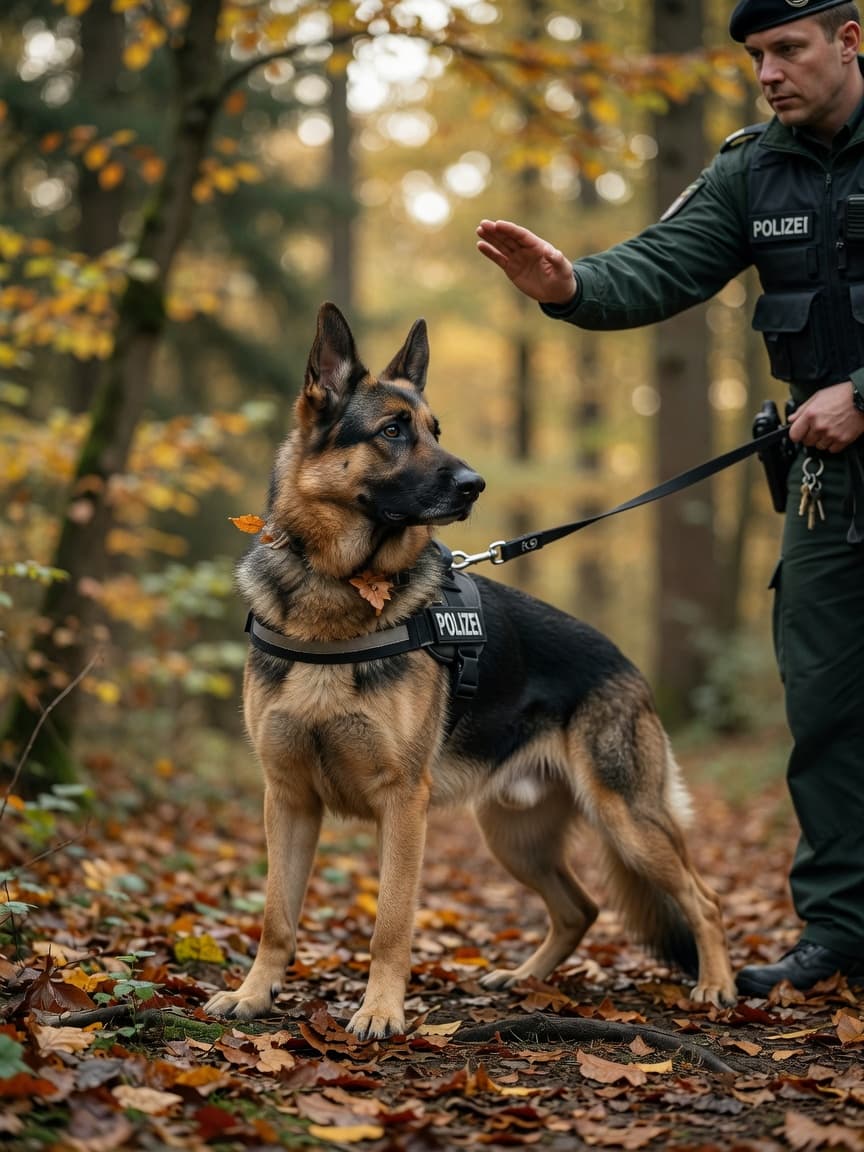
The German Shepherd is arguably the most iconic police dog breed in the world, and for good reason. They combine intelligence, physical strength, loyalty, and a strong protective drive in a package that handles stress well. GSDs are versatile enough to work in patrol and protection roles as well as search and rescue. They're also robust enough to cope with long shifts in varied weather conditions, which matters enormously for a working dog in the UK or northern Europe.
Belgian Malinois
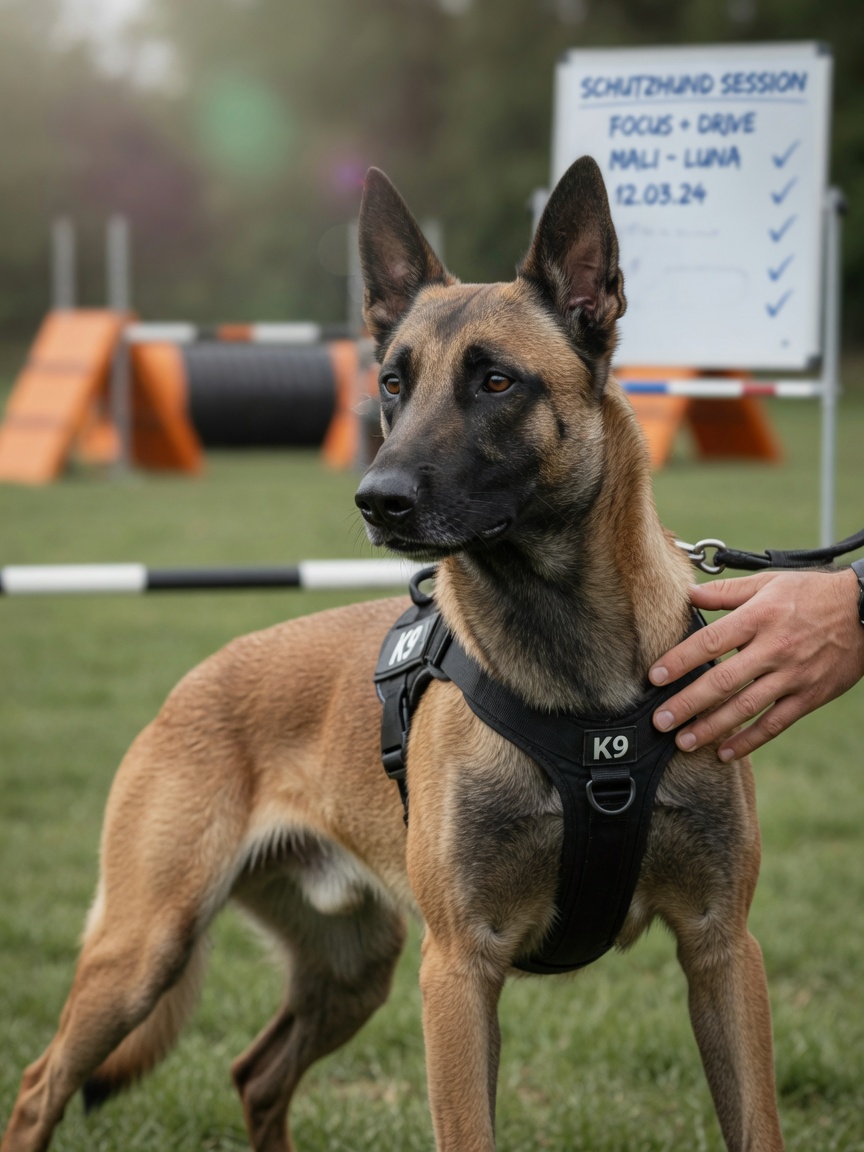
Over the past two decades, the Belgian Malinois has become the breed of choice for many elite police and military units across Europe and beyond. They're lighter and faster than the GSD, with an almost relentless work drive. The Malinois is particularly popular with units that need a dog capable of apprehension work — they bite hard, release cleanly on command, and recover quickly between tasks. The flip side is that they can be too much dog for inexperienced handlers.
Labrador Retriever
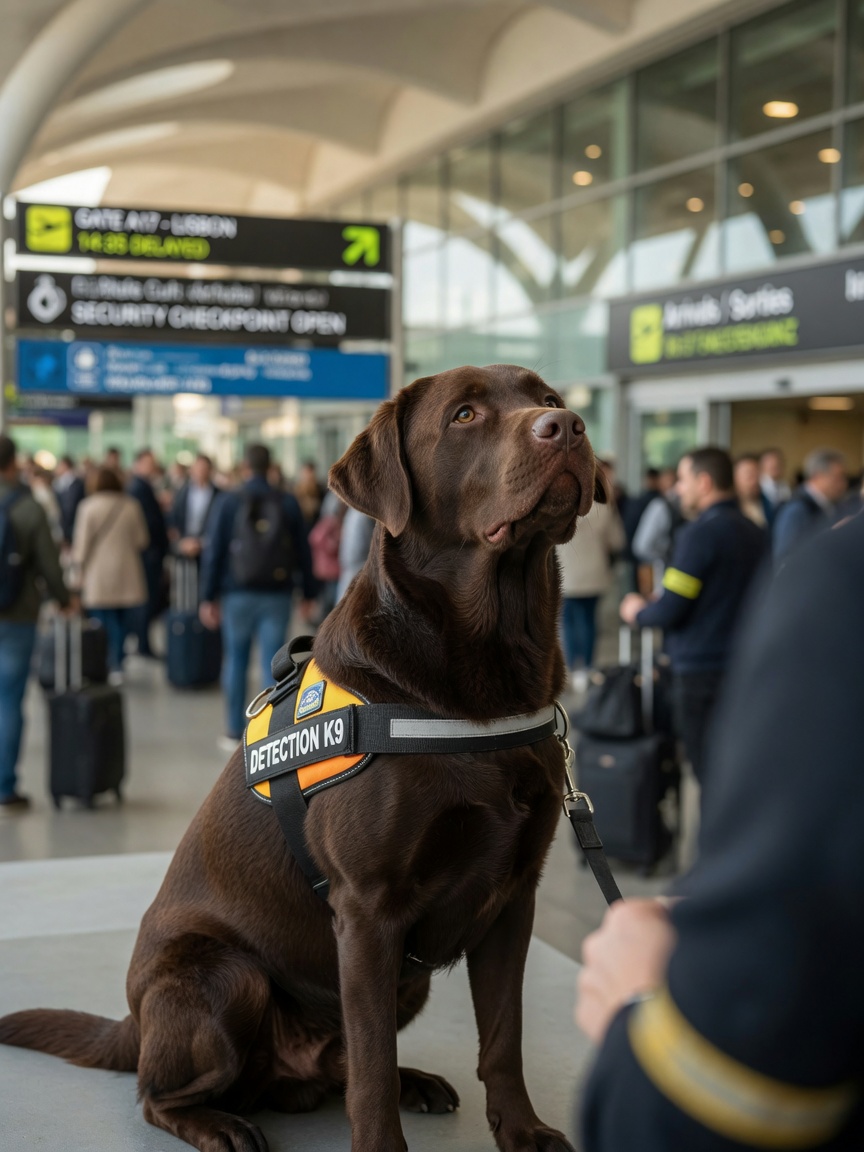
Labradors are the dominant breed in detection roles. Their exceptional nose, coupled with a calmer, more sociable temperament, makes them ideal for working in public spaces like airports, schools, and shopping centres. They're particularly common in drug detection and explosives detection roles, and their friendly appearance helps avoid unnecessary alarm when they're working in crowds.
Springer Spaniel
The English Springer Spaniel is another detection specialist. With one of the most sensitive noses of any breed, Springers are heavily used for narcotics and explosives detection in both the UK and across EU member states. They're compact enough to work in tight spaces — inside vehicle cabins, under seats, through luggage — and their high energy suits the fast-paced nature of searches at transport hubs.
Dutch Shepherd
Somewhat lesser known to the general public, the Dutch Shepherd shares many traits with the Malinois and is increasingly popular in police units across the Netherlands and Germany. They tend to be slightly more tractable than the Malinois while still offering high drive and physical capability. Dutch Shepherds are well-suited to patrol, tracking, and protection roles.
Roles Within Law Enforcement
Patrol and Protection
Patrol dogs work alongside officers in public order situations, suspect apprehension, and as a visible deterrent. These dogs need confidence, control, and a reliable off-switch — they must engage on command and disengage just as cleanly. German Shepherds, Belgian Malinois, and Dutch Shepherds dominate this area.
Narcotics and Explosives Detection
Detection dogs are trained to identify specific odour profiles linked to controlled substances or explosive compounds. Labradors and Springer Spaniels are most commonly used here. Detection dogs don't need the same confrontational drive as patrol dogs — what matters is an obsessive desire to find the target odour and indicate its location, usually by sitting or staring at the source.
Search and Rescue
Search dogs locate missing or trapped people using both tracking (following a ground scent trail) and air scenting (detecting human odour carried on the wind). These dogs often work in wilderness, disaster, or water environments. They must be physically fit, environmentally confident, and able to work independently of their handler over long distances.
Training Standards Across the UK and EU
In the UK, police dog training is governed by the National Police Chiefs' Council (NPCC) standards. Dogs and handlers must pass licensing assessments before they're operational, and annual re-licensing ensures standards are maintained throughout a dog's working life.
Across EU member states, the IPO (now rebranded as IGP — Internationale Gebrauchshund Prüfung) titling system is widely used as a benchmark for working dog capability. Many continental European police services require dogs to hold an IGP qualification before they can enter service. The three-phase test covers tracking, obedience, and protection work, and is a reliable indicator of whether a dog has the temperament and training to perform under pressure.
Selection Criteria: What Makes a Police Dog?
Not every dog with good genetics makes it through selection. Handlers and trainers look for several specific traits:
- Drive: A high prey drive or retrieve drive that can be channelled into training motivation.
- Nerve: Stable nerves that allow the dog to function under pressure, noise, and stress without shutting down or becoming unpredictable.
- Social confidence: The ability to work in busy, unpredictable environments without excessive reactivity.
- Physical soundness: Good hip and elbow scores, correct structure, and no hereditary health issues that would shorten a working career.
Many police services source dogs from specialist working dog breeders in Belgium, the Netherlands, Germany, and the Czech Republic, where performance breeding programmes have been refined over generations.
Health Care for Working Police Dogs
Working dogs face physical demands that pet dogs never encounter. Joint health is a primary concern — patrol dogs cover significant distances on hard surfaces, and detection dogs spend hours with their heads low, sniffing. Regular veterinary checks, including periodic joint assessments, are essential throughout a dog's career.
Parasite prevention is equally important, particularly for dogs working outdoors in fields, woodland, and waterside environments. ESCCAP (European Scientific Counsel Companion Animal Parasites) guidelines recommend consistent, year-round ectoparasite and endoparasite control for working dogs given their elevated exposure risk. Tick-borne diseases such as Lyme disease and Babesiosis are a genuine concern for dogs working in rural areas across the UK and EU.
Retirement and Rehoming
Most police dogs retire between the ages of eight and ten, depending on their role and physical condition. After years of service, these dogs deserve a peaceful transition into family life — and fortunately, public awareness of ex-police dog rehoming has grown significantly in recent years.
In the UK, organisations such as the Thin Blue Paw Foundation support the welfare of serving and retired police dogs, and many forces now have formal rehoming programmes, often giving handlers first refusal to adopt their dog. Retired dogs generally adapt well to home life, though new owners should be prepared for a dog with strong drives and established habits.
Ex-police dogs often remain fit and active well into retirement, so ongoing joint monitoring and an appropriate exercise routine remain important even after the badge has been handed in.