
How Often Should You Worm Your Dog in Europe?
If you live in Europe and own a dog, you have probably wondered whether you are worming often enough — or perhaps too often. The answer is not one-size-fits-all. The European Scientific Counsel Companion Animal Parasites (ESCCAP) publishes evidence-based guidelines that most European veterinarians follow, and understanding them will help you make informed decisions for your dog's health.
The ESCCAP Baseline: A Minimum of Four Times Per Year
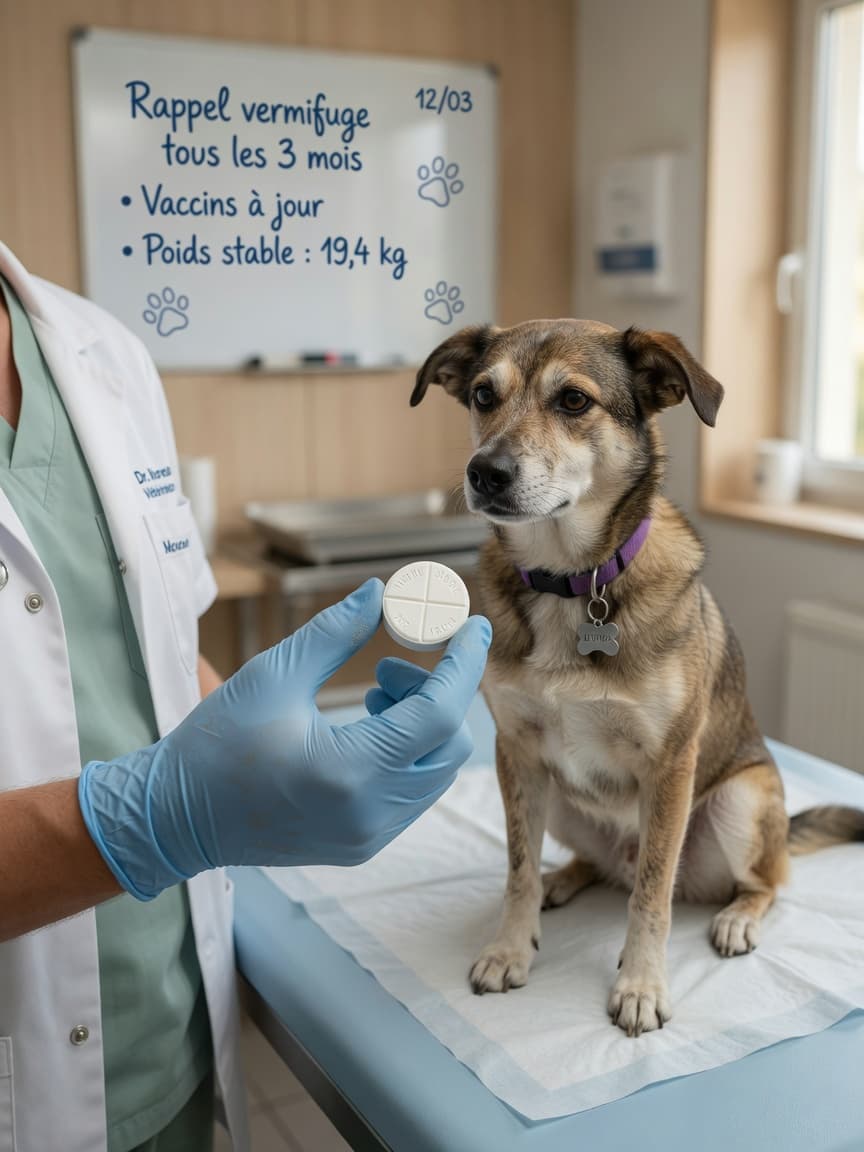
ESCCAP Guideline 1 (GL1), which covers the control of intestinal worms in dogs and cats, recommends treating adult dogs against roundworms (Toxocara canis) at least four times per year — roughly every three months. This applies to the average companion dog with moderate outdoor access. The rationale is straightforward: even a dog that appears healthy can shed worm eggs into the environment, posing a zoonotic risk to humans, particularly young children.
Four treatments per year represents the floor, not the ideal. Many dogs require more frequent worming based on their individual risk profile.
Risk Factors That Increase Worming Frequency

ESCCAP identifies several circumstances in which monthly worming is more appropriate:
- Children under five in the household: Young children are particularly vulnerable to Toxocara infection (toxocariasis), which can cause ocular larva migrans and visceral larva migrans. Monthly treatment significantly reduces environmental egg contamination.
- Raw meat diet: Dogs fed raw meat, especially raw offal, are at elevated risk of ingesting tapeworm larvae, including Echinococcus multilocularis and Taenia species. Monthly or more frequent treatment is advised.
- Hunting dogs or dogs with access to wildlife: Dogs that hunt or scavenge carcasses are at high risk for tapeworm infection, including the dangerous fox tapeworm (Echinococcus multilocularis).
- Dogs in endemic Echinococcus areas: Switzerland, Austria, southern Germany, and the Balkan countries have established fox tapeworm populations. Dogs in these regions should be treated every four weeks if they have outdoor access.
- Immunocompromised owners: Where a family member has a compromised immune system, minimising environmental contamination becomes a priority.
Puppy Worming Protocol

Puppies require much more frequent treatment than adult dogs. Toxocara canis is transmitted in utero and through the mother's milk, meaning virtually all puppies are born infected or become infected very shortly after birth.
- Worm every two weeks from two weeks of age until twelve weeks of age.
- Then worm monthly from twelve weeks to six months of age.
- After six months, transition to the adult protocol based on individual risk assessment.
The nursing dam should also be treated alongside the puppies to reduce milk-borne transmission.
Country-Specific Echinococcus Risk in Europe
Echinococcus multilocularis, the fox tapeworm, is a particular concern in central and eastern Europe. Countries with high wildlife reservoir populations include Switzerland, Austria, southern and central Germany, France (particularly the Alsace region), and the Balkans. The parasite is expanding its range northward and westward.
Dogs in these areas should be treated with a praziquantel-containing product every four weeks if they have any access to the outdoors or could ingest infected rodents. Standard roundworm treatments that rely solely on fenbendazole or pyrantel do not cover tapeworms — always check that your product contains praziquantel.
Recommended Products Available in Europe
Several licensed anthelmintics are widely available across Europe:
- Milbemax (milbemycin oxime + praziquantel): Covers roundworms, hookworms, whipworms, and tapeworms. Available in tablet form from your vet.
- Drontal Plus (febantel + pyrantel + praziquantel): A broad-spectrum tablet covering the major worm species found in European dogs.
- Panacur / fenbendazole: Effective against roundworms, hookworms, whipworms, and Giardia, but does not cover tapeworms. Often used as a first-line treatment for puppies or during pregnancy.
These products are available from your veterinarian and from online retailers such as Zooplus, where prescription-free versions can sometimes be purchased depending on your country's regulations. Always confirm with your vet which product is most appropriate for your dog's risk profile.
Coprology Testing as an Alternative to Blanket Treatment
Some veterinarians now recommend faecal egg count (FEC) testing — also called coprology — as a way to target treatment rather than applying it routinely. A fresh stool sample is examined microscopically to detect worm eggs, allowing treatment only when infection is confirmed.
This approach has real advantages: it reduces unnecessary drug use, helps monitor treatment efficacy, and is a more evidence-based strategy in low-risk dogs. However, it has limitations. A single negative test does not guarantee freedom from infection, particularly for tapeworms whose eggs are shed intermittently. For most European pet owners with moderate-to-high-risk dogs, a routine protocol remains the most practical and reliable option.
Discuss coprology testing with your vet if your dog is genuinely low risk — for example, an indoor dog with no children in the household, no raw diet, and no contact with wildlife.
Keeping Records and Staying Consistent
Whatever schedule you follow, consistency matters. Missing treatments — even occasionally — creates windows during which your dog can accumulate worm burdens and shed eggs into your home and garden. Use your vet's reminder service, a smartphone calendar alert, or the tracking features available through online pet health platforms to stay on schedule.
If you are unsure whether your current worming product covers all relevant parasites in your region, ask your vet for a review. The parasite landscape in Europe is changing due to climate change and increased pet travel, and what was sufficient five years ago may not be adequate today.
Summary: ESCCAP-Based Worming Frequency for Dogs
- All dogs: minimum four times per year (every three months)
- High-risk dogs (children present, raw diet, hunting, endemic Echinococcus area): monthly
- Puppies: every two weeks to twelve weeks, then monthly to six months
- Always use a product containing praziquantel if tapeworm risk exists
- Consider coprology testing for genuinely low-risk adult dogs
Working with your vet to tailor a worming programme to your dog's specific lifestyle is always the best approach. The ESCCAP guidelines provide an excellent foundation, but individual risk factors make personalised advice invaluable.
Written by Julia Wrenfield, animal health writer at ForPetsHealthcare.