ForPetsHealthcare
Dogs

Pet Passport and Travelling with Pets in Europe

By Julia WrenfieldUpdated August 4, 20262 min read
Evidence-based · Sources checked
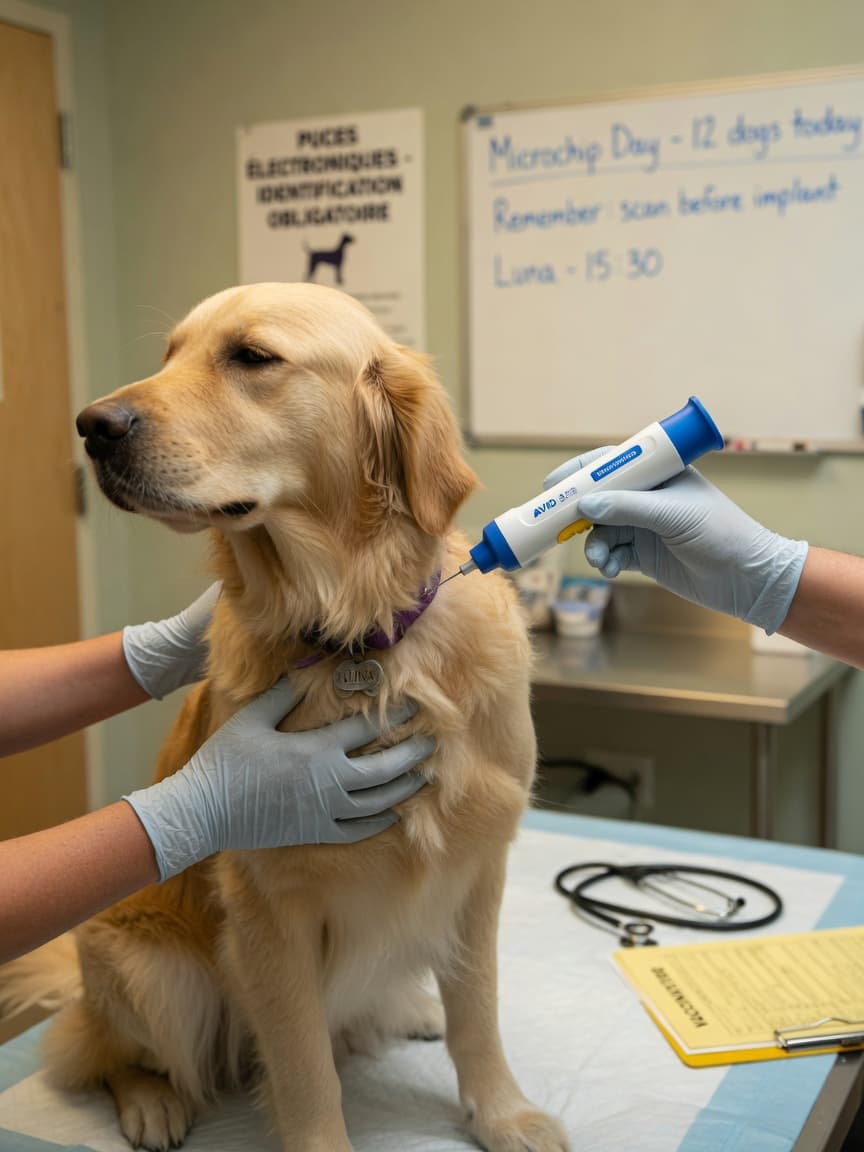
{"en": "Dog with pet passport and travel documents ready for European travel adventure", "es": "Perro con pasaporte para mascotas y documentos de viaje listos para viajar por Europa", "fr": "Chien avec passeport animal et documents de voyage pr\u00eats pour voyager en Europe", "de": "Hund mit Heimtierpass und Reisedokumenten bereit f\u00fcr europ\u00e4ische Reisen", "nl": "Hond met dierenpaspoort en reisdocumenten klaar voor reizen in Europa", "pt": "C\u00e3o com passaporte de animal de estima\u00e7\u00e3o e documentos de viagem prontos para viajar pela Europa", "it": "Cane con passaporto per animali domestici e documenti di viaggio pronti per viaggiare in Europa"}

Travelling with your pet within Europe or from outside the EU requires specific documentation. Here is what you need to know.

What Is an EU Pet Passport?

An official document issued by a licensed vet in an EU member state. Contains your pet's microchip number, vaccination records (especially rabies), and identity information.

Requirements for Entering EU Countries

  • Microchip (ISO 11784/11785 standard)
  • Valid rabies vaccination (administered after microchipping)
  • EU pet passport
  • For cats and ferrets: same requirements

Travelling From the UK Post-Brexit
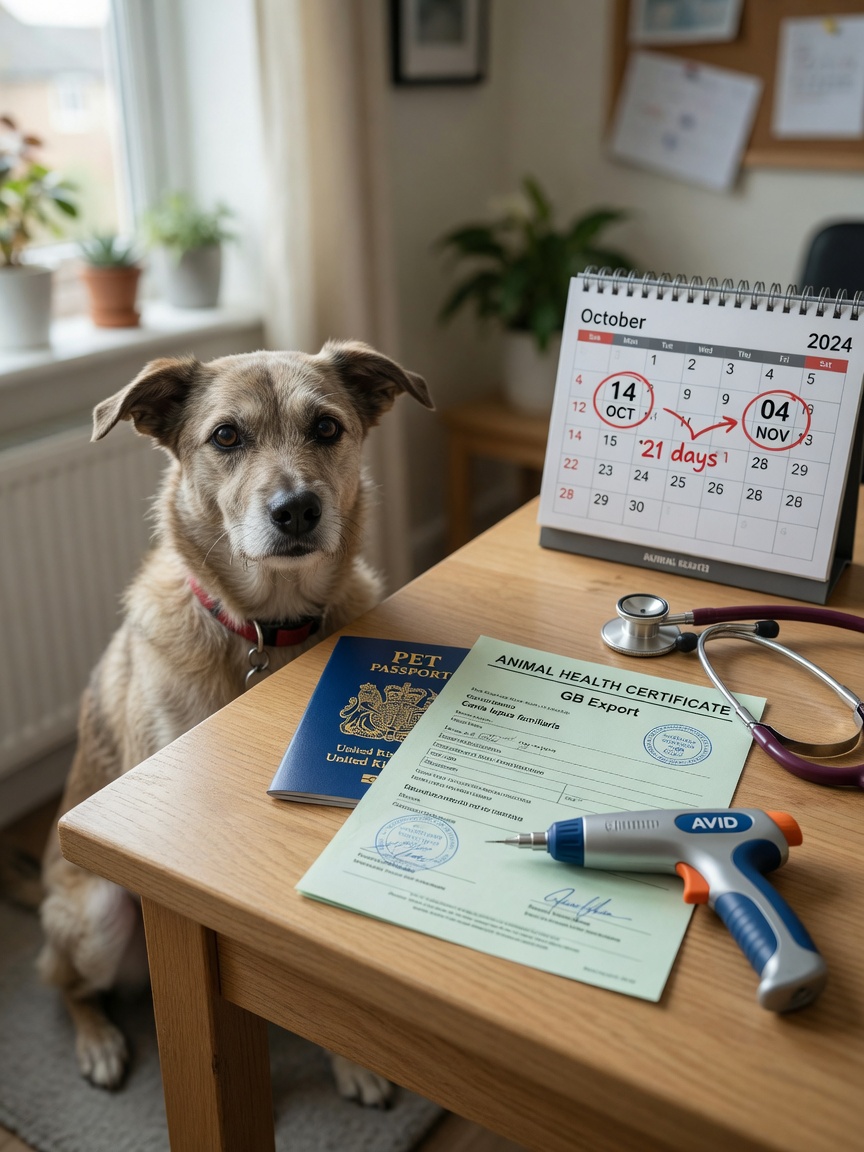
UK pet passport and Animal Health Certificate documents with a dog and veterinary supplies on a desk

UK pets travelling to the EU need: microchip, rabies vaccine administered at least 21 days before travel, and an AHC (Animal Health Certificate) issued by an official vet within 10 days of travel. No longer accepted: UK pet passports issued after Brexit.

Tapeworm Treatment for Dogs
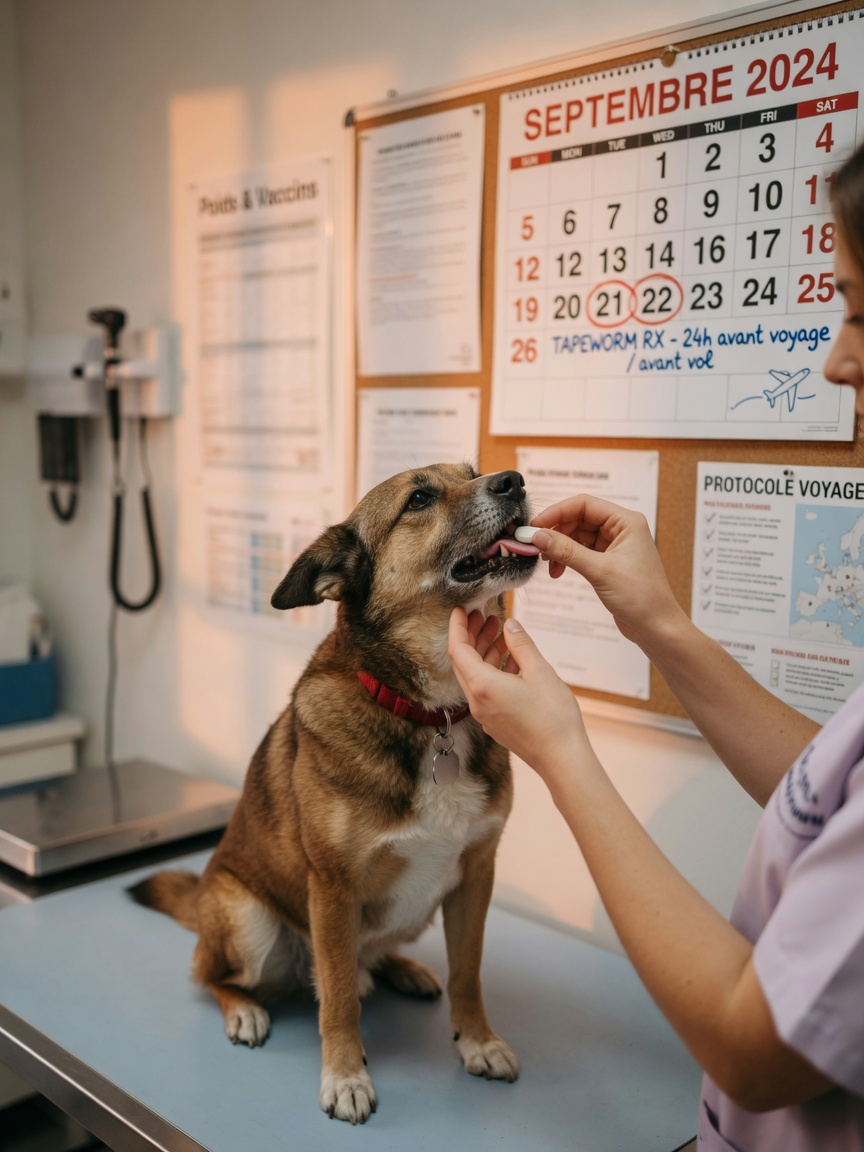
Veterinarian administering tapeworm treatment to a dog during a clinic visit

Dogs entering certain countries (Finland, Norway, Ireland, Malta, Northern Ireland) require tapeworm treatment 1-5 days before entry.

Planning Ahead

Start at least 4 weeks before travel. Rabies vaccination must be given after microchipping and requires 21 days before first travel. Contact your vet and check destination country requirements.

#pet passport travelling europe#forpetshealthcare

Sources & further reading

This article is based on peer-reviewed veterinary research and reputable animal-health sources. Explore the underlying science in our Research Library.

Related articles

The 19 Best Animal Shelters in the Netherlands (2026)

the Netherlands's animal shelters, rescue associations and refuges save thousands of dogs, cats and other animals every year, almost always on tiny budgets and volunteer power. To build the most objective ranking possible, we analysed public Google reviews across more than 56 registered animal-prote…

Read more →

The 25 Best Animal Shelters in Italy (2026)

Italy's animal shelters, rescue associations and refuges save thousands of dogs, cats and other animals every year, almost always on tiny budgets and volunteer power. To build the most objective ranking possible, we analysed public Google reviews across more than 121 registered animal-protection org…

Read more →

The 48 Best Animal Shelters in Germany (2026)

Germany's animal shelters, rescue associations and refuges save thousands of dogs, cats and other animals every year, almost always on tiny budgets and volunteer power. To build the most objective ranking possible, we analysed public Google reviews across more than 152 registered animal-protection o…

Read more →

The 32 Best Animal Shelters in France (2026)

France's animal shelters, rescue associations and refuges save thousands of dogs, cats and other animals every year, almost always on tiny budgets and volunteer power. To build the most objective ranking possible, we analysed public Google reviews across more than 89 registered animal-protection org…

Read more →

The 8 Best Animal Shelters in Portugal (2026)

Portugal's animal shelters, rescue associations and municipal centros de recolha save thousands of dogs, cats and other animals every year, almost always on tiny budgets and volunteer power. To build the most objective ranking possible, we analysed public Google reviews across more than 86 registere…

Read more →

Sphynx Cat Skin care and hygiene: Causes, Signs & Care

Sphynx cats have little to no coat, which means the skin itself takes on jobs that fur normally does — insulation, oil dispersal, and barrier protection — leaving it prone to greasiness, blocked pores, fungal infections, and sunburn. The single most important thing to know is that a Sphynx's skin ne…

Read more →
Disclaimer:This article is for informational purposes only and does not constitute veterinary advice. Always consult a qualified veterinarian for your pet's health concerns.

Free newsletter

Pet health tips, straight to your inbox

Weekly science-backed advice for dog & cat owners. No spam, unsubscribe anytime.