
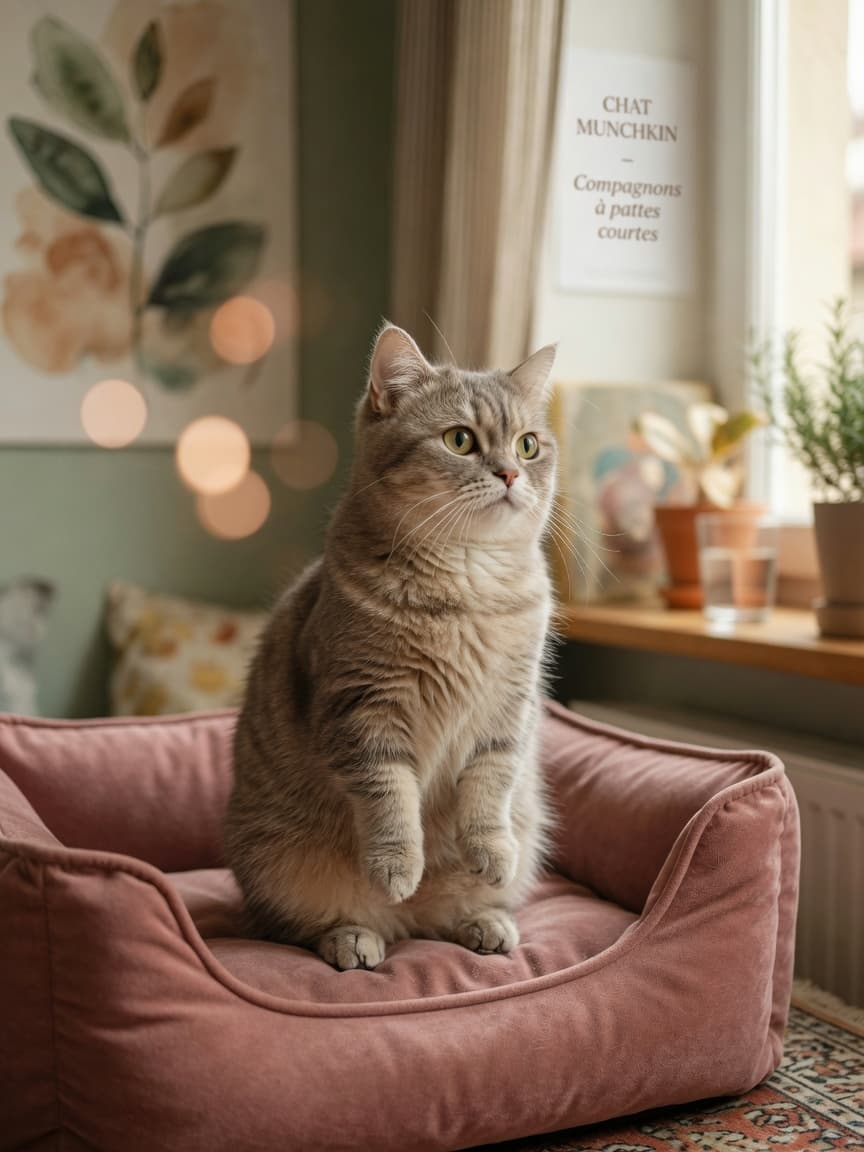
The Munchkin Cat is a friendly, people-oriented breed best known for its distinctively short legs, and it suits owners who want an affectionate, playful indoor companion rather than an athletic climber. Its defining trait — a genetic mutation causing shortened limbs — makes it endearing to many, but it also underpins the breed's key health headline: an increased risk of skeletal and spinal complications that owners need to understand before bringing one home.
Breed Overview
- Size: Small to medium-bodied cat, typically 2.5–4 kg, with notably short legs relative to body length
- Lifespan: Commonly reported as 12–15 years with attentive care
- Coat: Can be short or long-haired, in almost any colour or pattern, with moderate shedding
- Origin: United States, 1990s, developed from a naturally occurring genetic mutation first noted in domestic cats decades earlier
Temperament & Family Fit
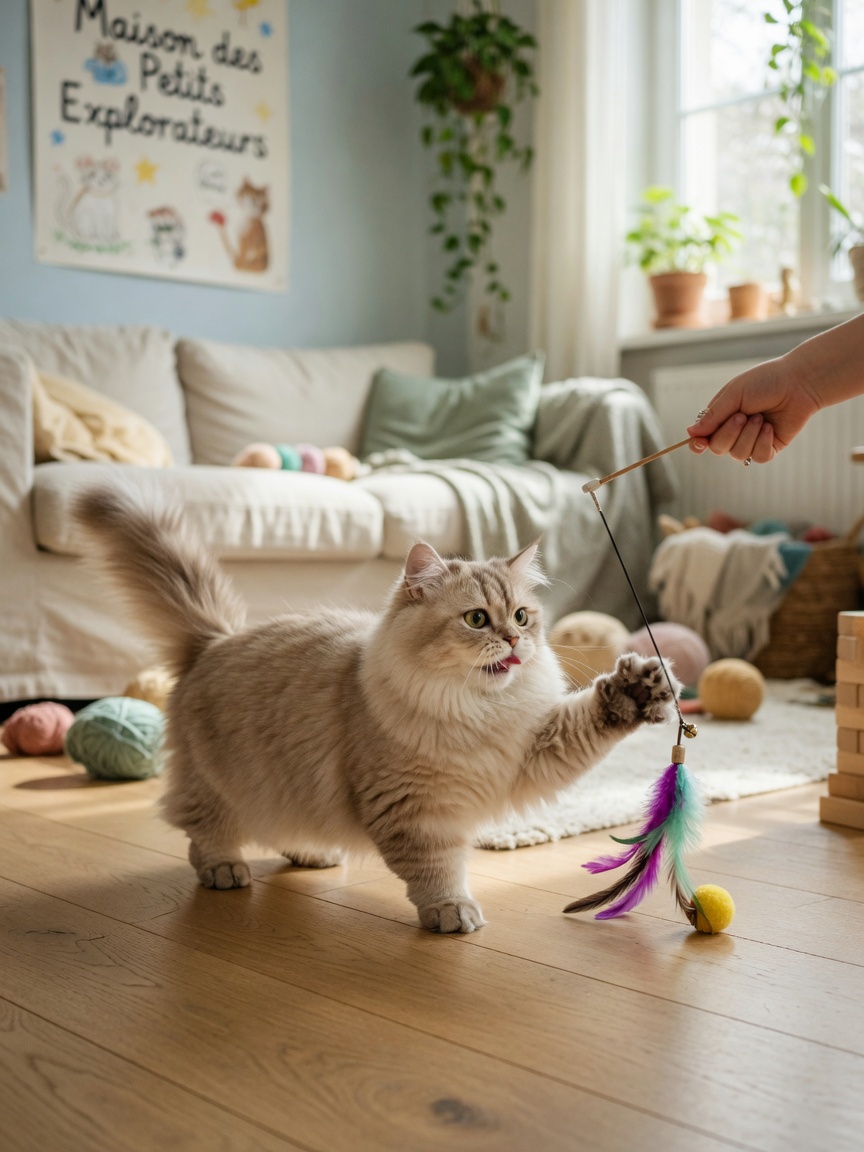
Munchkin Cats are typically described as sociable, curious, and people-focused. Despite their shorter stature, most are energetic and enjoy play, often adapting inventive ways to run, chase toys, and interact with their environment. They tend to get along well with children, other cats, and even dogs, provided introductions are gradual and positive. Many owners report that Munchkins are vocal in a soft, conversational way and enjoy being close to their humans, sometimes following them from room to room.
This breed generally does well in indoor multi-cat households and with families who can offer consistent companionship, as Munchkins can become bored or anxious if left alone for long periods. Their friendly disposition makes them a good match for first-time cat owners, though prospective owners should be prepared for the breed's specific physical care needs, discussed in detail below.
Health Issues in Munchkin Cats
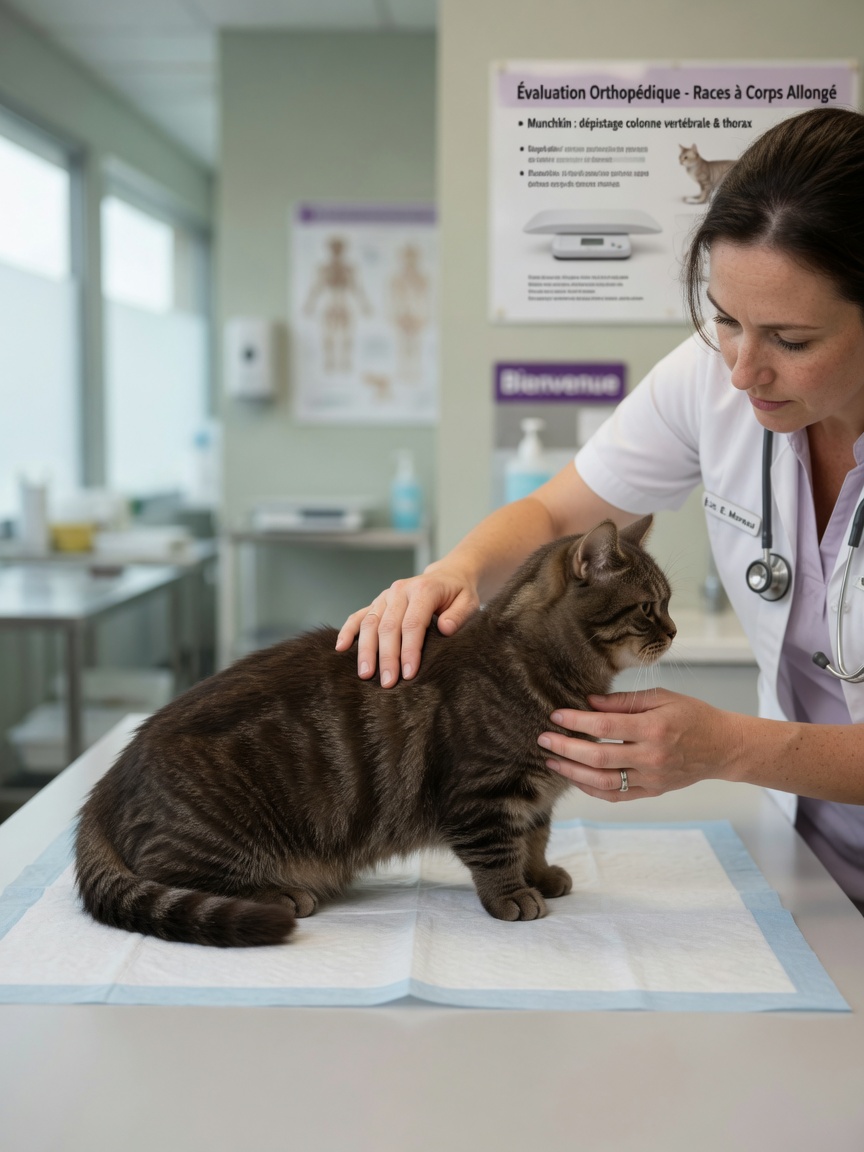
The Munchkin's short-legged conformation arises from a form of skeletal dysplasia, a dominantly inherited trait affecting bone and cartilage growth. While many Munchkins live full, active lives, the same mutation responsible for their appearance is associated with several structural and orthopaedic considerations that are worth understanding in detail.
Lordosis and Pectus Excavatum (Chest and Spine Deformities)
Some Munchkin kittens are born with, or develop, an abnormal curvature of the spine (lordosis) or a concave chest wall (pectus excavatum), both linked to the same skeletal dysplasia gene. In mild cases, these may cause no visible problems, but more pronounced deformities can compress the chest cavity, potentially affecting heart and lung function.
Early signs: A visibly dipped or dented chest, laboured or rapid breathing, reduced stamina during play, or an unusual dip along the back line.
What owners can do: Reputable breeders should screen breeding cats and avoid pairing two copies of the dwarfism gene, which is associated with more severe skeletal problems. Owners should ask breeders about the health of the kitten's parents and have a vet assess chest conformation at early check-ups, since mild cases are usually monitored rather than treated, while severe cases may need specialist input.
Osteoarthritis and Joint Stress
Because the Munchkin's limbs are disproportionately short relative to body length, weight distribution and joint loading differ from a typical cat, which may predispose them to earlier or more pronounced wear on joints, particularly in the hips, elbows, and spine, as they age.
Early signs: Reluctance to jump onto furniture, stiffness after rest, a change in gait, reduced grooming of the lower back or hindquarters, or general reluctance to play.
What owners can do: Maintaining a lean body weight is one of the most protective steps an owner can take, since excess weight significantly increases joint load in short-limbed cats. Soft ramps or low steps to favourite resting spots can reduce jumping strain. Many of the general principles used in canine joint care, such as those outlined in our guide to arthritis management, including weight control, joint-supportive supplements, and environmental adaptations, have useful crossover relevance for Munchkin owners, even though feline-specific veterinary guidance should always take priority.
Intervertebral Disc Disease (IVDD) and Spinal Sensitivity
The elongated body-to-leg ratio seen in Munchkins means the spine may bear atypical mechanical stress, and some lines are believed to carry a higher predisposition to spinal disc issues, similar in principle to conditions seen in other short-legged breeds across species. This isn't universal, but it's a recognised concern within the breed community.
Early signs: Reluctance to jump or climb, apparent back pain when touched, hunched posture, or sudden weakness in the hind legs.
What owners can do: Avoid encouraging jumps from height, provide gentle stepped access to elevated resting areas, and seek prompt veterinary assessment for any sudden change in mobility, as spinal issues typically respond better to early intervention.
Obesity and Weight-Related Complications
Munchkins are prone to weight gain, partly because their shortened legs can make vigorous exercise less appealing or achievable compared with longer-limbed cats, and partly because their compact frame makes extra weight more noticeable in its effect on mobility and joint stress.
Early signs: Difficulty feeling ribs under a light layer of fat, a rounded silhouette from above, reduced activity, or laboured movement.
What owners can do: Portion-controlled feeding, regular weigh-ins, and interactive play sessions tailored to the cat's physical capabilities all help maintain a healthy weight. Discussing an appropriate calorie target with a vet, especially as the cat ages, is a sensible preventative step.
Hypertrophic Cardiomyopathy (General Feline Consideration)
While not unique to Munchkins, hypertrophic cardiomyopathy (HCM) is the most commonly reported heart condition across cat breeds generally, and Munchkin owners should be aware of it as part of routine wellness care, since early forms can be subtle.
Early signs: Laboured breathing, lethargy, reduced appetite, or in more advanced cases, sudden collapse or hind-limb weakness caused by blood clots.
What owners can do: Routine veterinary check-ups that include listening for heart murmurs, and where recommended, periodic cardiac ultrasound screening, can help detect changes early. Any sudden lethargy or breathing difficulty warrants same-day veterinary attention.
Nutrition & Feeding
Munchkin Cats do not have unique dietary requirements beyond those of other domestic cats, but their tendency toward weight gain and joint sensitivity makes portion control particularly important. A complete, balanced commercial diet formulated for the cat's specific life stage — kitten, adult, or senior — is generally recommended, with treats kept to a small proportion of daily calories.
Because obesity compounds several of the breed's known joint and spinal concerns, many vets suggest weighing food portions rather than free-feeding, and monitoring body condition score regularly rather than relying on weight alone. Interest in gut-health support, including the use of probiotics, has grown in companion animal nutrition generally; our evidence review of probiotics for dogs outlines the current state of research, and while feline-specific studies are more limited, similar cautious, evidence-led thinking is worth applying when considering supplements for cats. As with any breed, kittens have distinct nutritional needs during their growth phase, and while written with dogs in mind, the general concept of tailoring nutrition to developmental stage — covered in our growth stages guide — reflects a principle equally relevant to raising a healthy Munchkin kitten.
Grooming & Care
Grooming needs vary depending on coat length. Short-haired Munchkins typically need weekly brushing to remove loose hair and distribute natural oils, while long-haired individuals benefit from brushing two to three times a week to prevent matting, particularly around the underside and hindquarters, which can be harder for these cats to reach and groom themselves given their limb length.
Routine care should also include nail trimming, ear checks, and dental hygiene, all standard for any cat but especially important here, since limited flexibility can make self-grooming and scratching less effective in some individuals. Owners noticing excessive scratching, flaky skin, or coat dullness may find some general background useful in our skin allergies guide, though it's worth noting that feline skin conditions often have different underlying causes and should be assessed by a vet familiar with cats specifically.
Litter trays with lower entry points are advisable, as very short-legged cats can find high-sided trays physically awkward, and providing accessible resting spots at floor level or via gentle ramps helps reduce unnecessary strain.
Exercise & Training Needs
Despite their short legs, Munchkins are typically playful and can be surprisingly quick, often described as moving with a distinctive "ferret-like" gait rather than a a conventional feline bound. Daily interactive play — using wand toys, rolling balls, or puzzle feeders — helps maintain a healthy weight and supports mental stimulation, both important given the breed's joint considerations.
High jumps and steep climbing structures are best moderated in favour of horizontal play and low-to-mid-height cat furniture with gentle steps rather than single tall leaps. Most Munchkins can be taught simple behaviours, such as coming when called or using a scratching post, using reward-based training methods, and many enjoy the mental engagement this provides.
FAQs
Do all Munchkin Cats have serious health problems?
No. Many Munchkins live active, healthy lives, and not every cat develops the spinal or joint issues associated with the breed's gene. However, because the trait affects skeletal structure, prospective owners should be aware of the commonly reported risks and choose breeders who prioritise responsible health screening.
Can Munchkin Cats jump and climb like other cats?
Yes, most can jump and climb, though generally to lower heights and with different technique than longer-legged breeds. Providing accessible furniture with gentle steps rather than tall single jumps helps them enjoy vertical space safely.
Is it true that breeding two Munchkins together is risky?
Breeding two cats that both carry the dwarfism gene is generally associated with more severe skeletal complications in kittens, which is why responsible breeders typically pair a Munchkin with a non-Munchkin or otherwise manage genetics carefully. This is a key reason to ask breeders about their breeding practices.
How much exercise does a Munchkin Cat need daily?
Short, frequent play sessions — often several times a day rather than one long session — tend to suit the breed well, supporting both weight management and mental stimulation without overloading joints.
This guide is intended for general informational purposes and does not replace individual veterinary advice. Always consult a qualified vet for guidance specific to your cat's health, history, and needs.