
A Disease From the Water — and the Wildlife Around It
After a muddy walk through a field or a swim in a slow-moving river, most dogs seem none the worse for wear. But in certain environments, that water or soil can carry Leptospira — spiral-shaped bacteria that cause one of the most serious infectious diseases in dogs, and one that can also infect humans. Leptospirosis is not rare, it is not exotic, and it is entirely vaccine-preventable. Yet it remains underdiagnosed and, in some pet-owning circles, misunderstood.
What Is Leptospirosis?
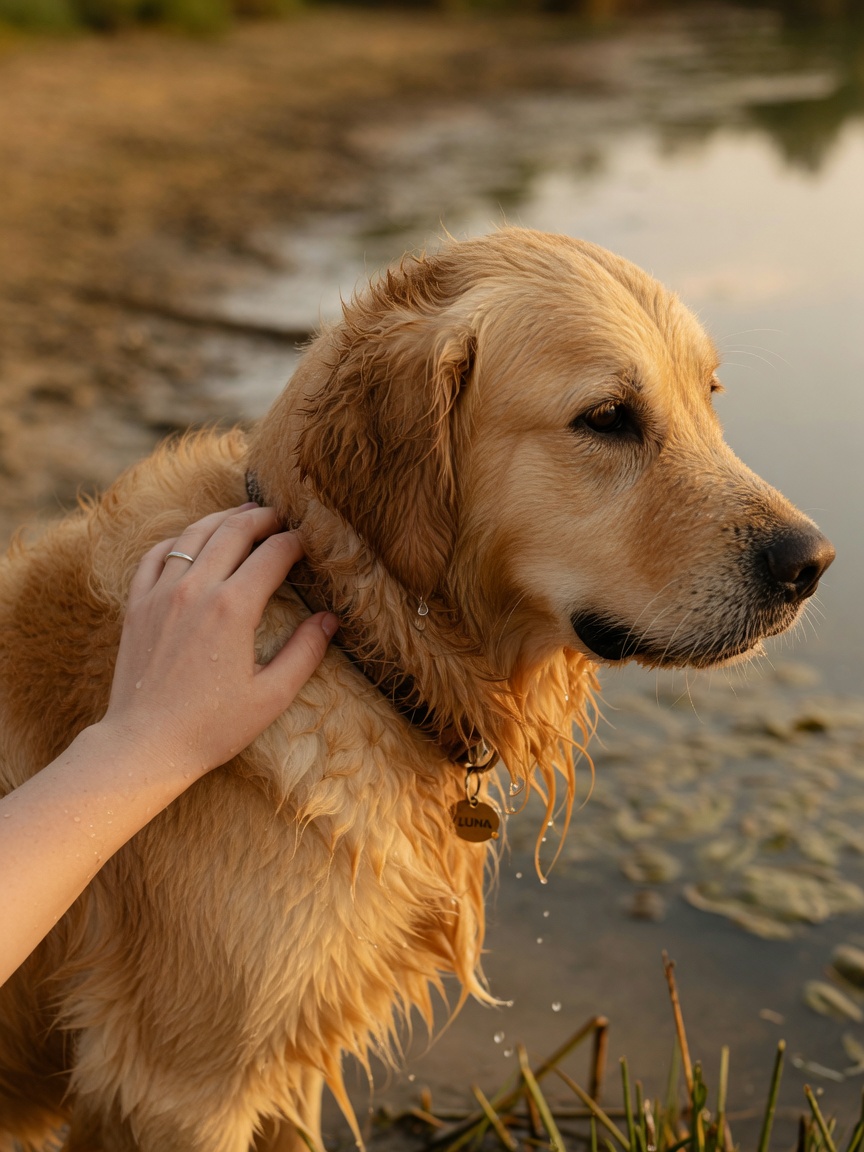
Leptospirosis is a bacterial infection caused by various serovars (strains) of the Leptospira genus. The bacteria are shed in the urine of infected animals — most commonly rats, but also hedgehogs, foxes, cattle, and other wildlife. They survive in warm, wet environments: stagnant water, puddles, mud, flooded land, and rivers. Dogs are exposed through contact with contaminated water or soil, particularly through cuts in the skin, mucous membranes, or by drinking from contaminated sources.
The disease affects the kidneys and liver primarily, though it can also involve the lungs, eyes, and other organs. Severity ranges from mild and self-limiting to peracute and fatal, depending on the serovar, the infectious dose, and the dog's immune status.
Why It Matters Beyond Your Dog
Leptospirosis is a zoonosis — it can transfer from animals to humans. People can be infected through direct contact with an infected dog's urine, or through contact with the same environmental sources. Human leptospirosis ranges from a flu-like illness to Weil's disease, a severe form involving kidney failure, liver damage, and in some cases, death.
This public health dimension makes responsible management of the disease especially important. A vaccinated dog is not only a protected dog — it is also less likely to become a source of infection in the household.
Which Dogs Are at Risk?
Any dog can contract leptospirosis, but risk is higher in certain circumstances. Dogs that swim in lakes, rivers, or canals, walk through flooded fields, or live in rural areas with high wildlife density face greater exposure. Urban dogs are not exempt — rats carrying Leptospira are present in every city, and urban parks and waterways can be contaminated.
Seasonal peaks occur in late summer and autumn in the UK and much of Europe, when conditions are warm and wet. However, cases do occur year-round, and climate patterns are shifting the window of risk.
Signs and Symptoms

Acute Presentation
The incubation period is typically two to twelve days. Acute illness may appear suddenly: high fever, vomiting, muscle pain, lethargy, and reluctance to eat. Some dogs deteriorate rapidly, with signs of kidney or liver failure — reduced urination or cessation of urination, jaundice (yellowing of the eyes and gums), and bloody diarrhoea in severe cases.
Subacute and Chronic Forms
Not all presentations are dramatic. Some dogs develop a milder illness resembling general malaise, which may be attributed to other causes and resolve — or progress quietly. Chronic kidney disease following subclinical infection has been reported and is difficult to link retrospectively to Leptospira.
Any dog showing a combination of kidney or liver signs alongside fever, particularly after exposure to water or wildlife environments, warrants Leptospira on the list of differentials.
Diagnosis and Treatment
Diagnosis during acute illness can be challenging. Blood tests typically reveal elevated kidney and liver markers, alongside changes in white cell counts. Specific testing for Leptospira includes the microscopic agglutination test (MAT), PCR testing of blood or urine, and paired serology. Timing matters — not all tests are equally reliable at every stage of infection.
Treatment involves intensive supportive care: intravenous fluids to support the kidneys, management of vomiting and nausea, and antibiotics. Penicillin-class antibiotics are used in the acute phase to clear the bacteria from the bloodstream; doxycycline is used subsequently to eliminate bacteria from the kidneys and stop urinary shedding.
Dogs with severe kidney or liver failure may require hospitalisation, and some do not survive despite aggressive treatment. Early intervention markedly improves outcomes.
Vaccination: The Practical Answer
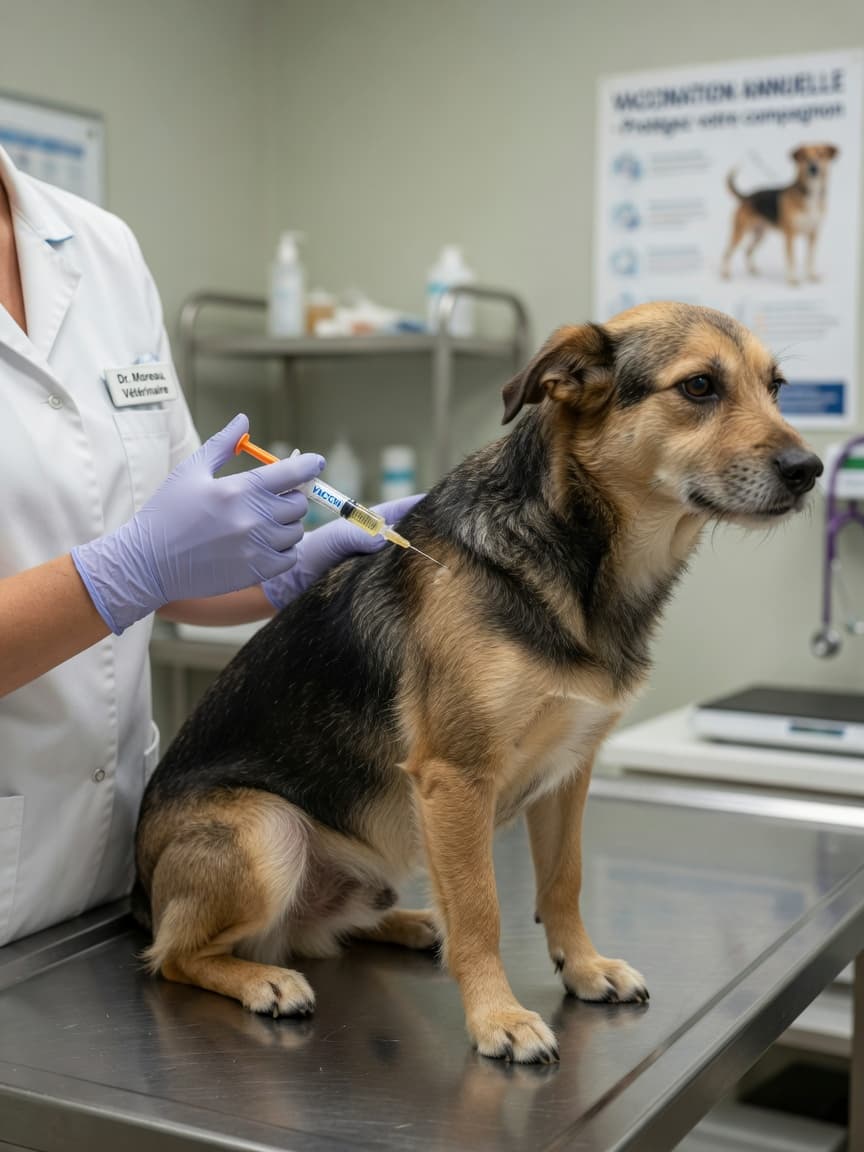
Effective vaccines against leptospirosis are available and widely recommended. Modern four-serovar vaccines (often called L4) provide broader protection than older two-serovar formulations, covering the serovars most commonly identified in clinical disease across Europe.
Leptospirosis vaccination is recommended annually — unlike some core vaccines which can be given every three years. This is because immunity wanes more quickly and because the bacterial nature of the pathogen means duration of immunity differs from viral vaccines.
Some owners express hesitation about the leptospirosis component of the vaccine, having read anecdotal concerns online. The evidence base supports the safety and efficacy of these vaccines. Adverse reactions do occur, as with any vaccine, but they are uncommon, usually mild, and transient. The risk of unvaccinated dogs contracting a potentially fatal disease outweighs the small risk of vaccine reaction in the vast majority of cases.
Talk to your vet about whether the L2 or L4 vaccine is most appropriate for your dog, factoring in local disease prevalence and your dog's lifestyle.
What Owners Should Do
- Ensure your dog is vaccinated against leptospirosis and that boosters are kept up to date annually.
- Avoid letting dogs drink from stagnant puddles, ponds, or slow-moving water where possible.
- Be aware that rural walks, canal paths, and flooded fields carry higher exposure risk.
- If your dog becomes ill after water exposure — particularly with fever, vomiting, or jaundice — tell your vet about the potential exposure immediately.
- Handle urine from a potentially infected dog carefully, using gloves, and seek medical advice if you think you may have been exposed.
- Annual health checks provide the opportunity to review vaccination status alongside broader preventive care.